Understanding What 585 Gold Really Means
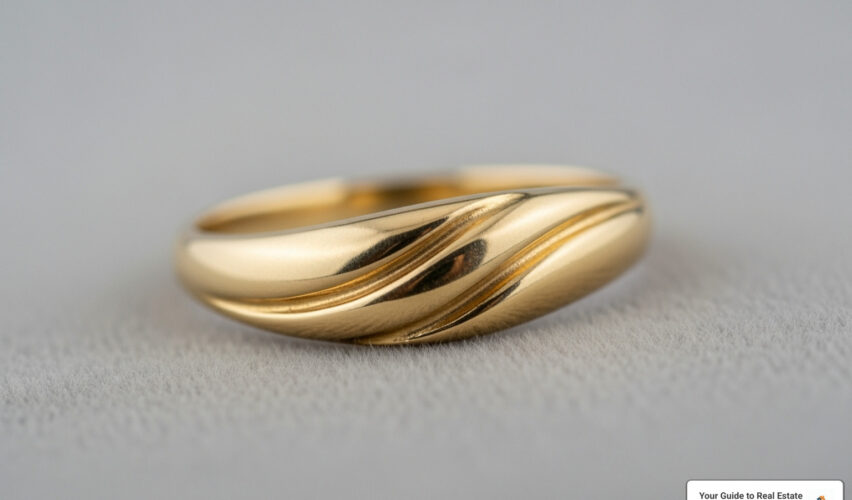
585 gold is another name for 14-karat gold, containing 58.5% pure gold mixed with other metals like copper and silver. This popular alloy strikes a perfect balance between durability and value, making it a top choice for everyday jewelry.
Quick Facts About 585 Gold:
- Purity: 58.5% pure gold (585 parts per 1,000)
- Karat equivalent: 14K gold
- Common uses: Engagement rings, wedding bands, necklaces, bracelets
- Colors available: Yellow, white, and rose gold
- Durability: More scratch-resistant than higher karat gold
- Value: Real gold that retains worth over time
You may have noticed a small “585” stamp on your gold jewelry, often hidden on the inside of a ring or on a necklace clasp. This marking means 585 out of every 1,000 parts are pure gold. The remaining 415 parts are other metals that make the jewelry strong enough for daily wear.
This system can seem confusing, especially since “14K” markings mean the same thing. Understanding these marks is important when buying, selling, or evaluating any gold jewelry—much like understanding property values in real estate.
585 gold glossary:
Decoding the Stamp: What ‘585’ and ’14K’ Really Mean
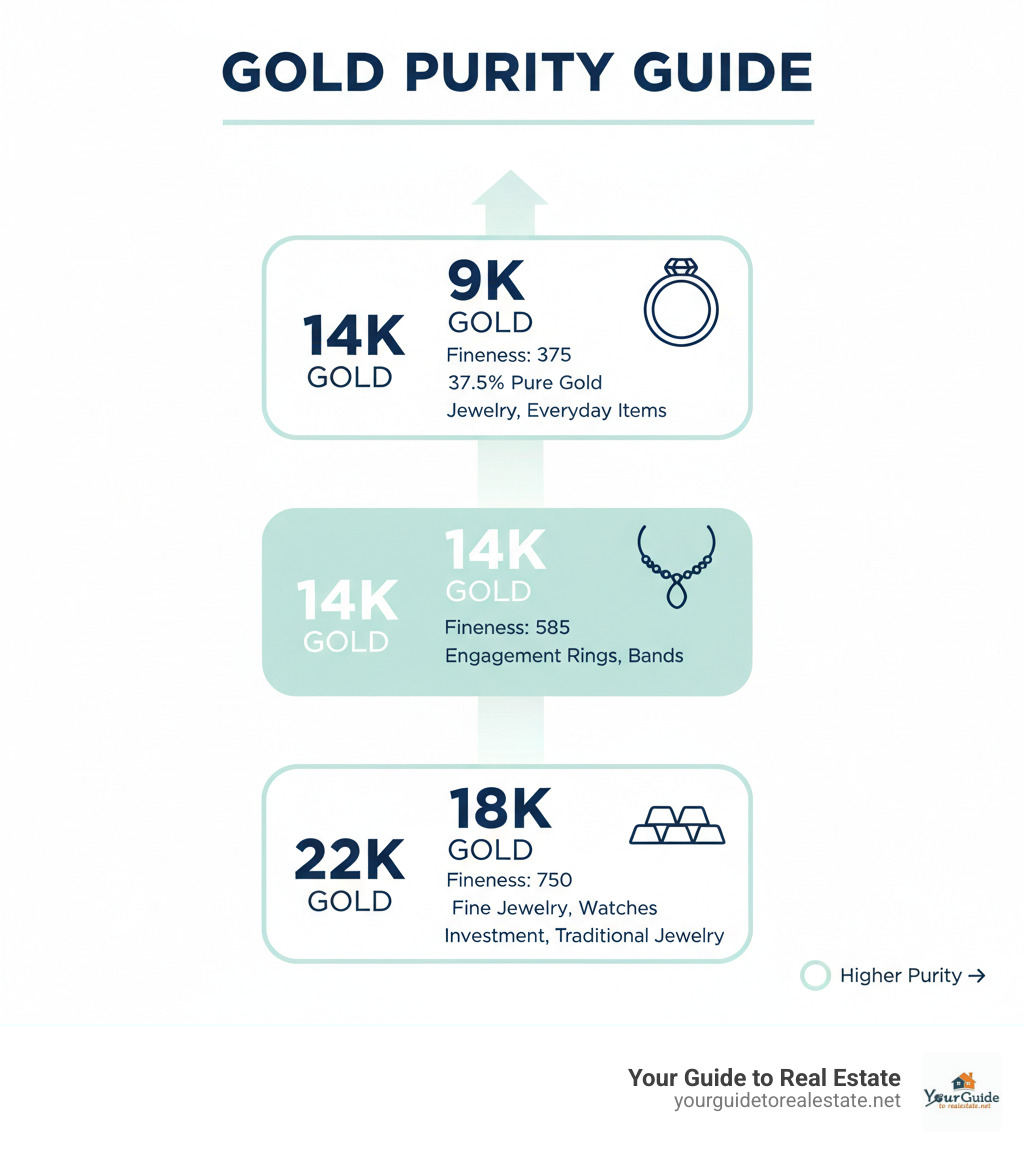
The small stamps on your jewelry, called hallmarks, reveal its true composition, much like a property deed details a piece of real estate. The jewelry world uses two main systems to mark gold purity: the fineness system (popular in Europe) and the karat system (common in America). They are different systems that provide the same information.
Pure 24-karat gold is surprisingly soft—too soft for jewelry that needs to survive daily wear. That’s why it’s mixed with other metals to create stronger alloys.
| Fineness (Parts per 1000) | Karat Equivalent | Gold Percentage | Common Uses / Characteristics |
|---|---|---|---|
| 375 | 9K | 37.5% | Often found in British jewelry, very durable and affordable, but lower gold content. |
| 585 | 14K | 58.5% | Widely popular for everyday jewelry due to its excellent balance of durability, value, and gold content. Common in the US, Canada, and Europe. |
| 750 | 18K | 75% | Richer gold color, more valuable, still durable but softer than 14K. Popular for fine jewelry, often used for wedding rings or special pieces. |
| 916/917 | 22K | 91.6%/91.7% | Very high gold content, softer and more prone to scratching, used for traditional jewelry in some cultures and gold leaf. |
| 999 | 24K | 99.9% | Pure gold, too soft for most jewelry, primarily used for bullion and investment. |
The ‘585’ Stamp Explained
When you see “585 gold” stamped on jewelry, it means the alloy is 58.5% pure gold. The remaining 41.5% consists of other metals like copper, silver, or palladium that make the gold strong enough for everyday wear.
This European marking system works on a parts-per-thousand basis. So, 585 parts are pure gold, and 415 parts are other metals that provide durability.
The 585 fineness is a popular standard for fine jewelry in Europe, offering a balance of gold value and strength for everyday pieces.
The 14K Gold Connection
585 gold and 14K gold are essentially the same thing, just marked using different systems. The term 14-karat means 14 out of 24 parts are pure gold. If you do the math (14 ÷ 24 = 0.583), you get 58.3% pure gold.
While 58.5% and 58.3% aren’t identical, the jewelry industry treats them as the same standard. Both “585” and “14K” stamps indicate the same approximate gold purity.
The US marking system using karats is what most Americans are familiar with, while the 585 system is more common on European-made pieces.
Where to Find the Hallmark
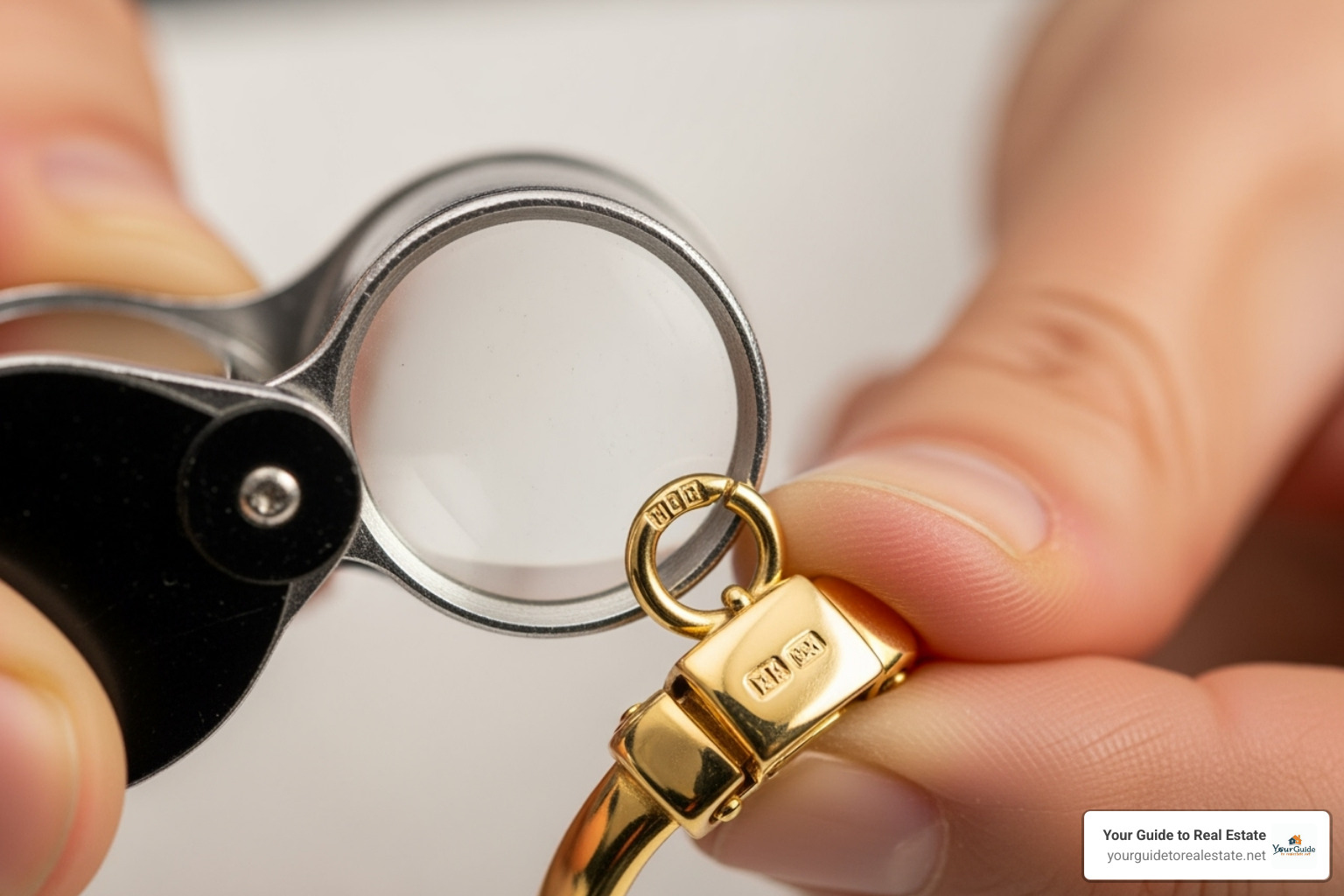
Finding these tiny stamps can be tricky, as jewelers place them in discreet spots. Inside ring bands is the most common location. For necklaces and bracelets, check the clasp area or small tags near it. Earrings typically have marks on the posts or backs, while pendants often have stamps on the bail (the loop connecting to the chain) or the back.
These marks can be tiny or worn down. A magnifying glass or jeweler’s loupe may be needed to see them clearly, which is common even for professionals.
The Anatomy of an Alloy: Colors and Characteristics
A piece of 585 gold jewelry is a carefully crafted blend of metals. Pure gold is beautiful but also incredibly soft; you can learn more interesting facts about gold. That’s why jewelers mix it with other metals to create durable alloys that can withstand daily activities.
This mixing process not only adds strength but also creates different colors, all while maintaining the 58.5% pure gold content that gives 585 gold its value. Think of it like renovating a home—you keep the original charm while adding modern durability and style.
The Different Colors of 585 Gold
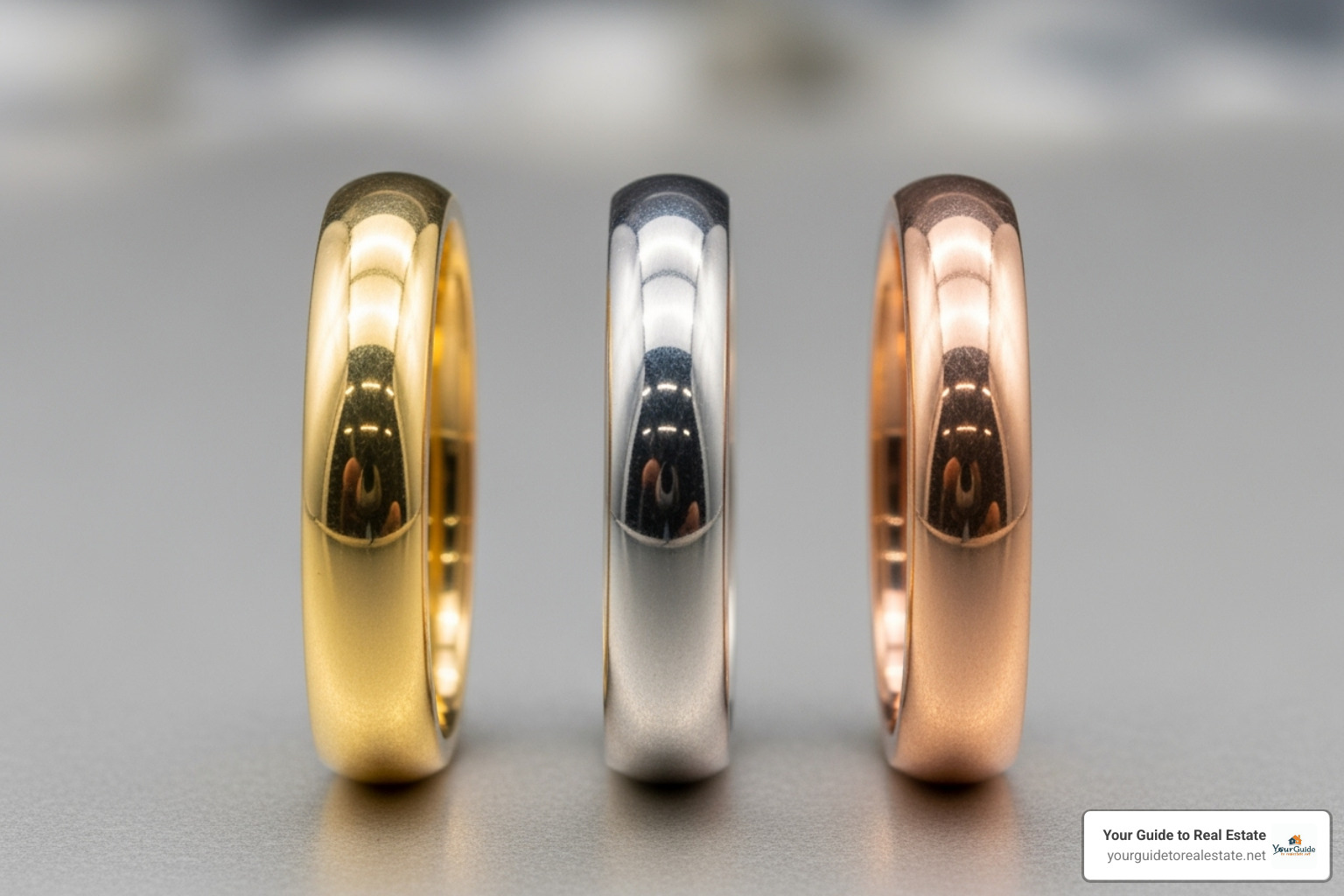
By changing the metals mixed with pure gold, jewelers can create different looks while maintaining the same gold purity.
Yellow gold is the classic choice, created by blending pure gold with silver and copper. This mix produces a warm, sunny glow and is typically the most hypoallergenic option.
White gold is a modern alternative made by mixing pure gold with white metals like palladium, silver, or sometimes nickel. Most pieces are coated with rhodium for a bright, silvery finish. This coating may need to be re-applied every few years to maintain its shine.
Rose gold gets its popular, romantic pink hue from a higher copper content, mixed with some silver. The copper also makes this alloy very durable.
Pros and Cons of This Popular Alloy
Like any investment, 585 gold has both advantages and disadvantages.
The biggest pro of 585 gold is its durability for daily wear. The 41.5% alloy of harder metals helps it resist scratches and dents far better than higher-karat gold, making it ideal for engagement rings and everyday necklaces.
Value retention is another major plus. As a solid gold alloy, 585 gold holds intrinsic value over time, much like a well-maintained property. It’s a tangible asset, not just a pretty accessory.
The variety of colors means you can find a piece that matches your style, and it’s generally more affordable than 18K or 22K options.
On the con side, the higher alloy content means 585 gold can be more prone to tarnishing over time, especially alloys with copper. However, this is easily managed with proper cleaning.
People with sensitive skin may react to alloy metals, especially nickel in some white gold. Yellow gold is often the safest choice for those with known metal sensitivities.
Its lower gold content compared to 18K or 22K gold is a trade-off for significantly more durability, a compromise that works well for everyday jewelry.
Understanding the Value of Your 585 Gold
Your 585 gold jewelry is a tangible asset with real value. Understanding how to evaluate it, much like a house, helps you make smart decisions when buying or selling. Gold’s value is more straightforward to calculate than a property’s real estate valuation.
How the Price of 585 Gold is Determined
Several factors determine the worth of your 585 gold jewelry.
The gold spot price, the current market cost of pure gold, is the foundation. The value of 585 gold is directly tied to this price, as it contains 58.5% pure gold. This price fluctuates daily based on global events and market demand.
Your jewelry’s weight in grams is crucial. Heavier pieces contain more gold and are more valuable. Weight and the spot price determine the melt value—what the gold content is worth if melted down.
However, jewelry is worth more than its melt value. Manufacturing costs, including skilled craftsmanship, add significant value, similar to how labor increases a home’s value beyond its raw materials.
Retail markup covers business costs and profit. Brand recognition also adds value; a designer piece costs more than an identical unbranded one, similar to how a famous architect can increase a property’s value.
If your jewelry includes diamonds or gemstones, their quality dramatically affects the total price. The color of your 585 gold—yellow, white, or rose—doesn’t change its gold value, as all contain 58.5% pure gold.
Solid Gold vs. Plated and Filled Jewelry
Not all gold-looking jewelry holds the same value.
Solid 585 gold is made entirely of the 58.5% gold alloy. It has lasting value, can be recycled, and maintains its worth over generations.
Gold plated jewelry has a microscopic layer of gold over a base metal like brass. The plating wears off, revealing the metal underneath. It’s inexpensive but has almost no resale value and isn’t durable.
Gold filled jewelry has a thicker layer of gold (at least 5% of the item’s weight) bonded to a base metal. It’s more durable than plated jewelry but less valuable than solid 585 gold.
Always check for hallmarks. Solid gold is stamped “585” or “14K.” Plated pieces might be marked “14K GP” (Gold Plated), while filled jewelry often shows “14K GF” (Gold Filled). Understanding these differences helps you make informed decisions about beauty and value.
Practical Ownership: Common Uses and Care
When you invest in 585 gold jewelry, you’re choosing pieces designed for everyday life. Its beauty lies in its ability to handle daily wear, much like a well-built home that becomes more beautiful with use.
Common Jewelry Types
The versatility and strength of 585 gold make it perfect for jewelry you’ll wear often.
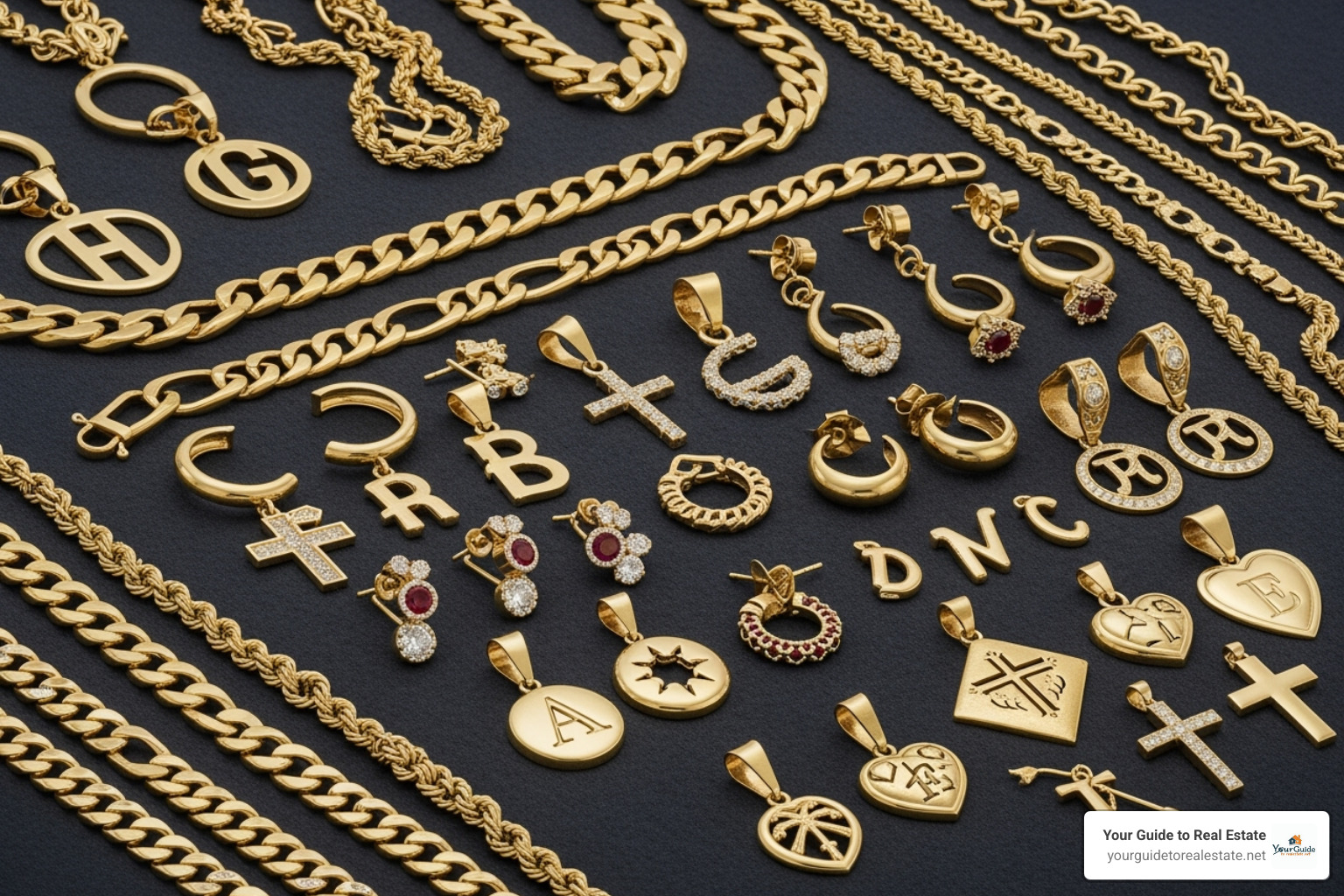
Engagement rings and wedding bands are often made of 585 gold because its durability is perfect for symbols of love meant to last a lifetime. It also securely holds gemstones.
Necklaces and chains made of 585 gold balance elegance with practicality. The alloy resists stretching and breaking, making it ideal for everything from delicate to bold designs.
Bracelets endure significant wear, making the durability of 585 gold an ideal choice for bangles, links, and charm bracelets.
Earrings made of 585 gold hold their shape well. The posts resist bending, and intricate designs remain intact, making them a lasting choice for any style.
Pendants and charms often carry personal meaning, and the strength of 585 gold protects their details and gemstone settings, ensuring they last.
How to Clean and Maintain Your Jewelry
Caring for your 585 gold is simple. Like home maintenance, consistent care keeps everything looking its best.
For a gentle cleaning solution, mix a few drops of mild dish soap with warm water. Avoid harsh chemicals that can damage the gold or gemstones.
Soak your jewelry for 10-15 minutes in the soapy water to loosen grime. Then, use a soft-bristle brush to gently scrub away residue, especially around clasps and gemstones.
Rinse thoroughly under cool water to remove all soap, which can dull the shine. Dry your jewelry by patting it with a soft, lint-free cloth and letting it air dry completely before storing to prevent tarnish.
Avoid exposing 585 gold to chlorinated pool water, household cleaners, and beauty products. Remove jewelry before swimming, cleaning, or applying lotions and hairspray.
Store jewelry smartly in a clean, dry, fabric-lined box to prevent scratches and reduce tarnish. With this care, your 585 gold pieces will maintain their value and beauty for decades.
Frequently Asked Questions about 585 Gold
Here are clear, honest answers to common questions about 585 gold, helping you make confident decisions about your precious metal assets.
Is 585 gold considered real gold?
Yes, 585 gold is absolutely real gold. It contains 58.5% pure gold, with the remaining percentage being other metals added for strength and durability. This alloying process makes the gold practical for everyday jewelry, not “fake.”
How does 585 gold compare to 750 gold?
585 gold (14K) contains 58.5% pure gold, while 750 gold (18K) contains 75% pure gold. Consequently, 750 gold has a richer color and is more valuable, but it’s also softer. 585 gold is more durable, scratch-resistant, and affordable, making it a practical choice for everyday wear, especially for engagement rings. The choice depends on whether you prioritize durability and price (585) or color and purity (750).
Is 585 gold a good investment?
585 gold jewelry is a valuable personal asset, but it’s different from a direct investment like gold bullion or real estate. Its price includes costs for craftsmanship, design, and retail markup, not just the raw gold. However, because it contains a substantial amount of real gold, it retains intrinsic value over time, much like a well-maintained property. While gold bullion is better for pure investment, 585 gold jewelry offers the unique benefit of being a wearable asset that holds its worth.
Conclusion
This guide has walked you through 585 gold, from decoding hallmarks to understanding its value. 585 gold, or 14-karat gold, offers the perfect balance of beauty and durability. It combines the appeal of real gold with the strength needed for everyday wear, making it a practical and treasured choice.
Your 585 gold pieces are tangible assets that hold real value, similar to real estate. Their gold content provides intrinsic worth, while craftsmanship and personal meaning add priceless value. Knowing what the “585” stamp means empowers you to see your jewelry as valuable assets and make smarter purchasing decisions.
Just as we help our clients understand the true value of their properties through our proven framework, we hope this guide has given you the confidence to appreciate your gold jewelry. The principles are similar: know what you own, understand its value, and care for it properly.
Whether you’re admiring a gorgeous rose gold bracelet or considering the investment potential of your jewelry, you now have the tools to make informed decisions. For those interested in exploring how market analysis applies to other valuable assets, our insights on Valuation and Market Analysis in Real Estate offer similar principles for understanding asset worth.
Your 585 gold pieces represent smart investments in beauty, durability, and lasting value.