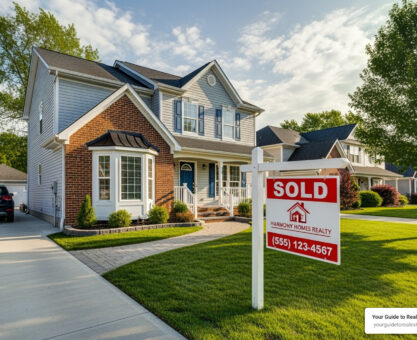

Understanding the Perfect Match: Your Home’s Appraisal
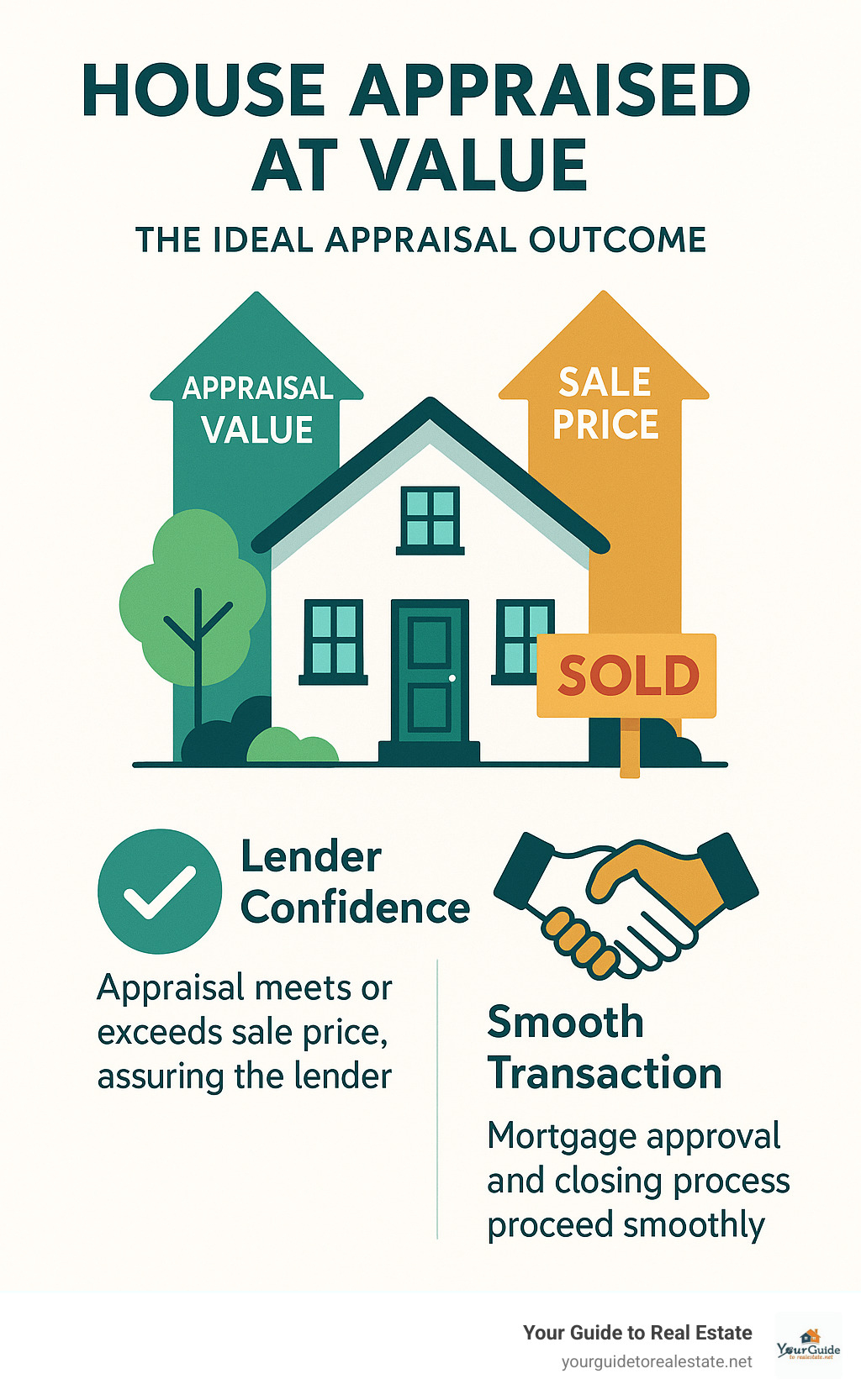
When your house appraised at value, it means the professional appraiser’s estimated market value for the property meets or exceeds the price you’ve agreed to buy or sell it for. For anyone buying or selling a home, this is the ideal scenario. Many people worry about the appraisal process, especially in competitive markets where bidding wars are common. “If people are getting homes well over what they’re being appraised for, then that’s a market I have no desire competing in,” as one first-time homebuyer put it.
However, when an appraisal aligns with the sale price, it smooths out the entire transaction. It assures the lender, the buyer, and the seller that the agreed-upon price is a fair reflection of the property’s true worth. This “perfect match” prevents potential problems, such as having to renegotiate or find extra cash.
Here’s what it means when your home appraises at value:
- Lender Approval: The bank is confident the property is worth the loan amount, making mortgage approval straightforward.
- Fair Price: Both buyer and seller agree on a price that is validated by an objective, third-party assessment.
- Smooth Closing: The mortgage process proceeds without complications like appraisal gaps, keeping your closing on track.
- Reduced Risk: The buyer avoids overpaying, and the lender’s investment is protected, creating a stable transaction for all parties.
This article will guide you through the ins and outs of home appraisals. We’ll compare appraisals to market assessments, explain what factors influence a home’s valuation, and most importantly, show you why achieving that “perfect match” is so crucial for a confident and stress-free real estate journey.
Appraisal vs. Market Value: Decoding the Numbers
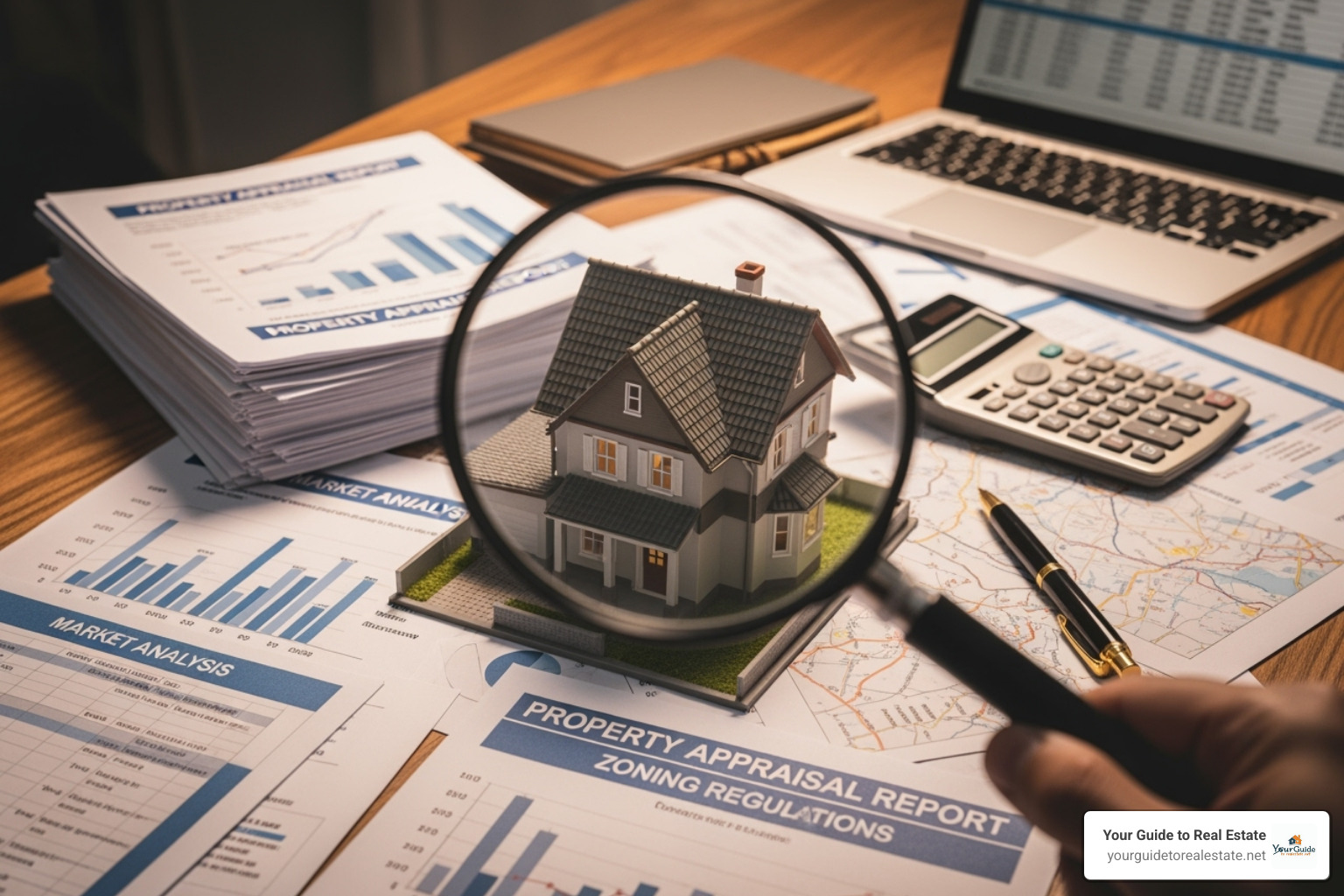
If you’ve ever felt confused by real estate jargon, you’re not alone. Two terms that often get mixed up are “home appraisal” and “market assessment” (also called a Comparative Market Analysis or CMA). While both help figure out what a property is worth, they serve very different purposes and are done by different people.
Think of it this way: a home appraisal is like having a doctor examine your house for the bank. It’s a formal, unbiased evaluation that determines the property’s fair market value. Lenders require this during the mortgage process to make sure they’re not lending more money than the house is actually worth. The appraiser acts as the lender’s protection, carefully examining everything from the foundation to the roof.
A market assessment, on the other hand, is more like getting advice from a knowledgeable friend who knows the neighborhood really well. Real estate agents prepare these to help sellers figure out a smart asking price. It’s less formal than an appraisal and focuses on what buyers are currently willing to pay in today’s market.
The key difference? An appraisal protects the lender’s investment, while a market assessment helps you make strategic pricing decisions. When your house appraised at value, it means the formal appraisal confirmed that your agreed-upon price makes sense – exactly what everyone wants to hear.
| Attribute | Home Appraisal | Market Assessment (CMA) |
|---|---|---|
| Purpose | Lender’s risk assessment, mortgage financing | Help sellers set an asking price |
| Who Performs It | Certified, licensed appraiser | Licensed real estate agent |
| Key Factors | Physical attributes, comparable sales, market data, property condition, code compliance, location | Comparable sales, current market conditions, buyer demand, property features, location, seasonality |
Who Performs the Valuation?
Only a certified appraiser can provide the official valuation your lender needs. These professionals go through extensive training and follow strict ethical guidelines. They have to remain completely independent – think of them as neutral referees in the home buying game. Their job is to give an honest opinion of value, regardless of what anyone else wants to hear.
This independence is crucial. Appraisers often work through third-party companies to make sure nobody can pressure them to inflate values. After all, they’re protecting both you and the lender from making a costly mistake.
A licensed realtor brings different but equally valuable skills to the table. They can’t do formal appraisals for mortgage purposes, but they’re experts at reading market trends and understanding what buyers want right now. If you’re looking for an agent who really gets the market, check out our guide on how to select the best real estate agent.
Online Estimators vs. Professional Appraisals
We’ve all been there – typing our address into an online home value estimator and hoping for good news. These automated valuation models use clever algorithms that crunch tons of data, from recent sales to neighborhood trends. They’re great for getting a quick ballpark figure when you’re curious about your home’s value.
But here’s the thing: these tools are just a starting point. They can’t see that your kitchen was beautifully renovated last year or notice that your neighbor’s barking dog might affect your property value. An algorithm doesn’t know that your basement has moisture issues or that you’ve got the best view on the block.
That’s where professional appraisals shine. A real person walks through your home, noting every detail that matters. They see the quality of your finishes, check if that addition was done properly, and understand how your specific property fits into the local market. This physical inspection and expert analysis provide accuracy that no computer can match.
For anything official – like getting a mortgage or refinancing – you’ll need a professional appraiser. The accuracy differences between online tools and professional appraisals can be significant, especially for unique properties. If you want to learn more about professional standards in the industry, the Appraisal Institute of Canada offers great insights into how appraisers maintain their expertise.
The Anatomy of an Appraisal: What Influences the Final Value?

Ever wonder what goes through an appraiser’s mind as they walk through your home? Understanding their process helps explain why your house appraised at value – or maybe why it didn’t quite meet expectations. It’s not guesswork or gut feeling. The property inspection and market analysis work together in a careful, data-driven process that follows a proven appraiser’s methodology.
Think of it like a detective gathering clues. Every detail matters, from the squeaky front door to the brand-new granite countertops. The appraiser’s job is to piece together all these elements to create an objective and fair opinion of value.
The On-Site Inspection
When the appraiser arrives at your door, they’re starting what might be the most thorough look your home has ever received. This property inspection typically takes 20 to 40 minutes, depending on your home’s size and complexity. They’re not just admiring your décor – they’re conducting a systematic evaluation.
The property condition gets careful attention first. Is the paint fresh or peeling? Are the floors in good shape? These details matter because they signal to potential buyers how much work and money they might need to invest.
Next comes the measuring tape. The appraiser confirms the square footage because even small discrepancies can affect value. They’ll also assess the layout – does the flow make sense? Is there good natural light? An awkward floor plan can impact a home’s appeal just as much as its size.
The age of your home and its various components plays a big role too. A 20-year-old roof tells a different story than one that’s 5 years old. The quality of construction also makes a difference – builder-grade fixtures versus custom millwork can significantly impact value.
Major systems get special scrutiny. The appraiser checks HVAC systems, plumbing, and roof condition because these are expensive items for buyers to replace. A furnace that’s on its last legs or a roof showing its age will factor into the final valuation.
Here’s a pro tip: while you can’t change your home’s bones overnight, presentation matters. A clean, well-maintained home suggests good overall care. It won’t add square footage, but it can influence how the appraiser perceives the property’s condition. If you want to see your home through fresh eyes, our Home Photography Tips can help you spot areas that might need attention.
The Impact of Renovations and Unpermitted Work
Not all home improvements are created equal in an appraiser’s eyes. Some upgrades deliver solid ROI, while others might be nice for you but don’t move the value needle much. The key is documenting renovations properly – keep those receipts, permits, and before-and-after photos handy.
A beautiful new kitchen or updated bathroom often adds real value because these are spaces buyers focus on. But here’s the catch: improvements need to match the neighborhood. Installing a $50,000 kitchen in a modest neighborhood might not return that investment.
Unpermitted additions are where things get tricky. That extra bedroom or expanded deck might seem like obvious value-adds, but if they weren’t built with proper permits, they can actually hurt your appraisal. Code compliance issues are red flags for appraisers and lenders alike.
Unpermitted work might not count toward your home’s square footage for valuation purposes. Worse yet, if it needs to be torn out or brought up to code, that potential value reduction can be substantial. It’s always worth doing things right the first time.
Want to dive deeper into how these factors affect your home’s worth? Our guide on Valuation and Market Analysis in Real Estate breaks down all the moving pieces.
The Data-Driven Analysis
After measuring and inspecting, the appraiser heads back to crunch numbers. This data-driven analysis is where science meets real estate. They’re looking for comparable sales (comps) – recently sold homes that are similar to yours in size, age, condition, and location.
Finding good comps isn’t always easy. The appraiser typically analyzes three to ten comparable properties, making adjustments for differences. If a comp has an extra bathroom, they’ll adjust the value down when comparing it to your home. If yours has a newer roof, that’s an upward adjustment.
But the analysis goes beyond individual homes. Neighborhood quality plays a huge role – a home’s value is tied to its surroundings. Local amenities matter too. Being close to parks, shopping, or public transit can boost value, while backing up to a busy highway might hurt it.
School districts often make or break home values, especially in family-friendly areas. Even buyers without kids often consider school quality because it affects resale value down the road.
The appraiser also considers current market trends. Are homes selling quickly or sitting on the market? Is it a buyer’s market or seller’s market right now? Supply and demand dynamics in your specific area influence what buyers are willing to pay.
All these factors work together to support the appraiser’s final opinion. The purchase price itself carries significant weight because it represents what a real buyer was willing to pay for your specific home on a specific day. When all the data aligns with that purchase price, you get that perfect scenario where your house appraised at value.
Stay on top of these market shifts with insights from our U.S. Housing Market Update 2025: Prices, Inventory, and Buyer Behavior. Understanding these broader trends helps you see the bigger picture behind your appraisal results.
The Perfect Match: What it Means When a House is Appraised at Value

Imagine this: you’ve found your dream home, made an offer, and it’s been accepted. Now comes the appraisal, a moment that can feel like holding your breath. But then, the good news arrives! Your house appraised at value. It’s like hitting the real estate jackpot, isn’t it?
This “perfect match” is truly the ideal outcome for everyone involved in the transaction. It means the independent, professional appraiser agrees that the home’s value perfectly aligns with the price you’ve agreed to buy or sell it for. It’s a resounding “yes!” to the fairness and viability of the deal.
For the lender, it means strong lender confidence. They see that the property they’re about to help finance is indeed worth the money, which significantly reduces their risk. For you, the buyer, it provides crucial buyer assurance. You can move forward feeling confident that you’re paying a fair market price, validated by an objective expert. And for the seller, it simply confirms that their pricing strategy was spot-on and the market truly recognizes the value they’ve placed on their home. It’s a fantastic win-win-win!
How a house appraised at value smooths your mortgage approval
The appraisal isn’t just a formality; it’s a super critical step in securing your mortgage. Lenders rely on the appraised value to figure out the loan-to-value ratio (LTV). This is a fancy way of saying they compare the loan amount you need to the property’s value. If the appraisal comes in at or above your agreed-upon sale price, your LTV looks good, which makes securing financing straightforward and stress-free.
This perfect alignment helps you avoid the dreaded appraisal gap. That’s when the appraised value is lower than your agreed sale price, which can throw a wrench into your plans. When your house appraised at value, it’s a clear signal to the lender that their investment is safe. This keeps the entire mortgage approval process running smoothly, reducing delays and stress for everyone. It’s a key part of the lender’s risk mitigation strategy, ensuring they don’t lend more than the property is actually worth. For a deeper dive into how this all fits into your path to homeownership, understanding the role of the appraisal in the loan process for buying a house is essential.
Why the purchase price is a key factor when a house is appraised at value
You might wonder, “Does the appraiser already know the price I’ve agreed to pay?” The answer is a big yes, and it’s by design! The sale price as a data point is incredibly important to an appraiser. Think about it: the amount of money someone is willing to pay for that exact house, on that very day, is one of the strongest signals about what the home is truly worth.
While appraisers use all their tools – like comparable sales and detailed property characteristics – the agreed-upon purchase price itself is strong evidence of market value. An appraiser’s job isn’t to come up with a value wildly different from the contract price unless there’s really strong evidence to do so. Instead, they use the purchase price as a starting point, then work to justify it through their thorough research and analysis. They’re basically looking for anything that would significantly lower that valuation, like major structural problems or missing permits for renovations.
This helps to debunk the “magic number” myth – the idea that appraisers simply make the value match the sale price. While it might feel “magical” when an appraisal aligns perfectly, it’s actually the result of the appraiser finding plenty of supporting evidence in the market. The purchase price serves as powerful market validation for the appraiser’s final opinion, assuming it’s backed up by recent comparable sales and what’s happening in the market right now. It’s not about manipulation; it’s a clear reflection of what the market has demonstrated the property is truly worth at that moment.
What to Do When the Appraisal Comes in Low
Not every story has a fairy tale ending where your house appraised at value. Sometimes, despite your best efforts and highest hopes, the appraisal comes in lower than the agreed-upon sale price. This creates what’s known as an appraisal gap – and while it’s not the news anyone wants to hear, it’s definitely not the end of the world.
When this happens, the lender will only finance based on the lower appraised value, not the higher contract price you negotiated. Think of it this way: if you agreed to pay $400,000 for a home but it appraises for $380,000, your lender will only approve a loan based on that $380,000 figure. This leaves a $20,000 gap that needs to be addressed somehow.
The potential consequences can feel overwhelming at first. If you’re counting on financing the full purchase amount, this gap means you’ll need to find another solution. Without one, the deal could fall through entirely, leaving both buyers and sellers back at square one after weeks or months of planning.
But here’s the good news: an appraisal gap doesn’t have to derail your home buying dreams. There are several practical paths forward, and experienced buyer options and seller options exist to keep your transaction on track.

Navigating an Appraisal Gap
When you’re staring down an appraisal gap, take a deep breath. You’ve got options, and many deals that hit this bump in the road still make it to a successful closing. The key is staying calm and working through the possibilities with your real estate team.
Renegotiating the price is often the first conversation that happens. Many sellers, especially those eager to close or in a buyer’s market, will agree to lower the sale price to match the appraised value. It’s a straightforward solution that keeps everyone’s financing on track. We’ve seen countless transactions where this approach worked beautifully, with both parties feeling good about moving forward at the appraised amount.
If you’re a buyer who truly believes in the property’s value and has the financial flexibility, covering the difference in cash might make sense. This means bringing extra money to closing – in our earlier example, that would be an additional $20,000. While it requires more upfront cash, some buyers choose this route when they’re confident the home will appreciate or when they simply love the property and don’t want to lose it.
Challenging the appraisal is another possibility, though it requires solid evidence. If you suspect the appraiser missed recent comparable sales, made errors about the property’s features, or didn’t fully grasp local market nuances, you can formally dispute the valuation. Your real estate agent can help gather supporting documentation, like recent sales data or corrections to factual errors in the report.
Finally, if your contract includes an appraisal contingency clause, you have the right to walk away from the deal without losing your earnest money. This protection exists specifically for situations like this, ensuring you’re not forced to overpay or scramble for financing you can’t secure.
The secret to successfully navigating an appraisal gap lies in open, honest communication between all parties. Your real estate agent becomes your greatest asset here, helping facilitate discussions and explore creative solutions that work for everyone involved.
Home Appraisal Logistics: Your Questions Answered
Now that you understand what it means when your house appraised at value, let’s tackle the practical questions that keep homebuyers up at night. How much will this cost? How long will it take? And what about when you’re refinancing or dealing with insurance? These are the nitty-gritty details that can make or break your timeline and budget.
How much does a home appraisal cost and who pays?
Here’s the straightforward answer: you’re looking at a typical cost range of $350-$700 for most home appraisals. The exact amount depends on your property’s size, complexity, and location. A cozy starter home might fall on the lower end, while a sprawling custom-built property could push toward the higher range.
Even though your lender orders the appraisal (they pick the appraiser to keep things fair and unbiased), the cost typically lands in your lap as part of your buyer’s closing costs. Think of it as one of those necessary expenses, like a home inspection, that protects your investment.
The good news? Appraisers work on a flat fee structure. This means they get paid the same amount whether your home appraises for $200,000 or $800,000. This keeps them honest and objective – they truly have no reason to inflate or deflate the value to please anyone.
How long does the home appraisal process take?
The actual inspection time flies by pretty quickly – usually just 20-40 minutes depending on your home’s size. The appraiser will walk through, take measurements, snap photos, and jot down notes about your home’s condition and features.
But here’s where patience becomes a virtue. The real work happens after they leave. Report generation typically takes anywhere from a few days to a week as the appraiser dives deep into research, analyzes comparable sales, and crafts their detailed report.
Several factors can affect the timeline. Busy market conditions might mean appraisers are swamped with requests. Complex or unique properties require more research time. And sometimes, finding good comparable sales in your area takes extra detective work. It’s smart to build this timeframe into your closing schedule from the get-go.
How do appraisals affect refinancing and home insurance?
When you’re refinancing, appraisals play a starring refinancing role. Your lender needs to know your home’s current market value to determine how much they’re willing to lend you. This process is crucial for determining home equity – that magical number you get when you subtract your remaining mortgage balance from your home’s appraised value.
The more equity you have, the better your refinancing options become. It’s like having a stronger negotiating position. For all the details on how this works, our guide on Mortgage Refinancing Explained breaks it down beautifully.
Now, here’s something that surprises many people: your home appraisal is not directly affected by your home insurance, and your insurance isn’t directly tied to your appraisal value either. They’re measuring different things entirely.
Your insurance focuses on rebuild cost versus market value. While your house appraised at value might be $400,000 based on market conditions, your insurance might cover a rebuild cost of $300,000. That’s because insurance calculates what it would actually cost to reconstruct your home from scratch, not what someone would pay for it in today’s market.
However, appraisals can be helpful in identifying property risks that might catch your insurance company’s attention. If the appraiser spots structural issues, outdated electrical systems, or other safety concerns, your insurance provider might want these addressed to reduce their risk exposure.
Conclusion
Phew! We’ve covered a lot of ground together today, diving deep into home appraisals. From clearing up the difference between a home appraisal and a market assessment, to uncovering all the little details that truly shape a home’s value, we hope we’ve made this often-stressful step a little clearer for you.
When your house appraised at value, it’s truly a moment to celebrate! This “perfect match” means everything aligns perfectly: the sale price, the lender’s trust, and your peace of mind. It’s a clear sign of a healthy, fair transaction, helping you glide smoothly to the closing table without any unexpected financial bumps. Your dreams of homeownership stay right on track!
At Your Guide to Real Estate, we’re all about empowering you. We believe that with the right knowledge, you can steer the real estate market with confidence and stress-free guidance. Understanding the appraisal process isn’t just about avoiding problems; it’s about having a powerful tool in your hands.
Ready to explore even more about what makes a home tick, value-wise? Dive into our complete guide on Valuation and Market Analysis in Real Estate. We’re here to guide you every step of the way!