

Why Asking the Right Questions Makes or Breaks Your Home Buying Experience
Questions to ask realtor candidates can mean the difference between a smooth transaction and a costly nightmare. As one industry expert notes, “Hiring the right real estate agent who brings experience, professionalism, and expertise to the table will make a huge difference.”
Here are the essential questions every buyer should ask before hiring a real estate agent:
Experience & Credentials:
- Are you a REALTOR® or just a licensed agent?
- How long have you been selling real estate?
- What’s your buyer-to-seller client ratio?
Process & Communication:
- How will you determine what homes match my needs?
- How often will you communicate with me?
- Do you work independently or with a team?
Costs & Contracts:
- How does your commission work?
- What’s included in our buyer agreement?
- Can we cancel if we’re not satisfied?
Property Expertise:
- How well do you know my target neighborhoods?
- Can you recommend inspectors and other professionals?
- What’s your strategy for competitive markets?
The statistics are telling: the top 5% of real estate agents sell homes for as much as 10% more than average agents and twice as fast. Yet many buyers skip the interview process entirely, often choosing the first agent they meet or going with a friend’s recommendation without proper vetting.
Your home purchase is likely your largest financial investment. The agent you choose will guide negotiations, identify potential problems, and steer complex paperwork. Anyone juggling much more than 10 clients might be too busy to provide you with high-quality, one-on-one service.
This partnership deserves the same careful consideration you’d give to hiring any other professional who handles significant financial decisions.
Vetting an Agent’s Experience and Expertise
Choosing a real estate agent is like hiring a guide for a major expedition; you want an experienced professional who knows the terrain inside and out. This section covers the foundational questions to ask realtor candidates to gauge their background, qualifications, and track record.

Essential questions to ask a realtor about their experience
Let’s start with the basics. One of the first questions to ask realtor candidates is: “Are you a REALTOR® or just a licensed agent?” This distinction is important. While all REALTORS® are licensed agents, not all agents are REALTORS®. A REALTOR® is a member of the National Association of REALTORS® and must follow a strict REALTOR® Code of Ethics that requires them to put your interests first, providing an extra layer of professional accountability.
Next up: “Are you full-time or part-time?” This matters more than you might think. A part-time agent juggling another job might not be available when you need them most. In a fast-moving market, if they can’t schedule a showing quickly, that house could be gone.
Experience counts, so ask: “How many years have you been selling real estate?” While a newer agent might be eager, someone with several years under their belt has likely seen it all—from tricky negotiations to unusual property issues. They’ve built relationships with inspectors, lenders, and other professionals you’ll need.
Don’t forget about local expertise: “What neighborhoods do you specialize in?” Your agent should know your target areas like the back of their hand. They should be able to tell you about school districts, upcoming developments, and traffic patterns. This neighborhood knowledge can be the difference between finding a hidden gem and buying in an area that doesn’t fit your lifestyle.
Finally, ask for proof of their success: “Can you provide client testimonials or references?” A confident agent will happily share stories from satisfied clients. Don’t be shy about calling these references—they can give you insights into the agent’s communication style, problem-solving abilities, and overall effectiveness. For a deeper dive into what makes an agent truly skilled, check out our guide on real estate agent skills.
Gauging their track record and specialization
Now let’s get into the nitty-gritty numbers. Ask: “What’s your buyer-to-seller ratio?” Some agents work with both buyers and sellers, but the best buyer’s agents focus primarily on helping people purchase homes. Look for someone whose business is at least 70% buyers. They’ll understand the buyer’s perspective and have systems in place specifically for home searches.
Here’s a key question: “How many clients do you work with at once?” You want an agent who’s busy enough to be successful but not so swamped they can’t give you attention. Our research shows that agents handling more than 10 active clients often struggle to provide quality service. You don’t want to be just another number.
Ask about their annual activity: “How many home purchases did you help close last year?” The average real estate agent handles 10-12 transactions annually. If your potential agent is significantly below this number, they might not be as active or experienced as you need.
Don’t forget to inquire: “Do you have experience with buyers in my situation?” Whether you’re a first-time buyer, military veteran, or relocating for work, different situations require different expertise. Some agents even earn special designations to better serve specific buyer types.
Speaking of designations, look for credentials like the Accredited Buyer Representative (ABR) designation, which shows an agent has received specialized training in buyer representation. Other valuable designations include Certified Residential Specialist (CRS) for overall residential expertise, ABR for buyer specialization, and Seniors Real Estate Specialist (SRES) for those over 50.
The bottom line? An experienced agent with the right specialization can save you time, money, and stress. They’ve steerd these waters before and can steer you away from potential problems while helping you find the perfect home.
Understanding Their Process and Your Working Relationship
Hiring a real estate agent is like choosing a partner—you need to know their process and ensure you can work together in harmony. This section focuses on how the agent operates, communicates, and manages the client relationship, ensuring their process aligns with your needs and expectations.

How they will work for you
One of the most important questions to ask realtor candidates is about their property search strategy. “Can you walk me through your approach to finding homes for me?” A proactive agent uses their network and technology to find properties, including off-market homes, not just send MLS listings.
But before they start hunting, they need to understand what you’re actually looking for. Ask: “How do you figure out what I really want in a home?” The best agents don’t just ask about bedrooms and bathrooms. They dig deeper with detailed questionnaires about your lifestyle, future plans, and deal-breakers. They’ll also give you a reality check if your wish list doesn’t match your budget in your desired area.
In today’s crazy competitive market, you need an agent with a game plan. “What’s your strategy for helping me win in multiple-offer situations?” is a crucial question. A savvy agent will have tricks up their sleeve—whether it’s crafting compelling offer letters, advising on earnest money amounts, or knowing exactly what motivates different types of sellers.
Here’s something many buyers don’t think to ask: “Do you work alone or with a team?” There’s no right or wrong answer, but you should know what you’re getting. Team-based agents often provide better coverage—if your main agent is tied up, someone else can show you a hot property that just hit the market. Solo agents might give you more personalized attention. Either way, clarify who you’ll be working with day-to-day.
Your agent’s professional network can be a goldmine. Ask about their connections: “Who do you recommend for mortgages, inspections, and other services?” A well-connected agent saves you time and stress by recommending trusted professionals they’ve worked with before. Plus, these relationships often mean smoother transactions and sometimes even better rates.
For a deeper dive into finding the perfect agent match, check out our complete buyer’s guide on how to choose the right real estate agent.
More questions to ask a realtor about communication and availability
Communication can make or break your home-buying experience. One of the most important questions to ask realtor candidates is: “How often will you update me, and what’s your preferred way to communicate?” In a normal market, weekly check-ins work fine. But when homes are flying off the market, you might need daily updates to avoid missing out.
While most agents prefer texting, what matters is what works for you. Clarify if you prefer calls, emails, or texts to ensure you’re on the same page.
Schedule compatibility is huge. “When are you typically available to show homes?” might seem obvious, but it’s worth asking. If you can only look at houses on weekends and your agent treats Saturday as their day off, you’ve got a problem. Most open houses happen on weekends anyway, so weekend availability is pretty much non-negotiable.
We’ve touched on this before, but it bears repeating: “How many buyers are you currently working with?” You want an agent who’s busy enough to be successful but not so swamped they can’t give you proper attention. More than 10 active clients usually means you’ll be competing for their time when you need it most.
Timeline expectations matter too. Ask: “How long does it typically take your buyers to find a home?” The average is 30 to 60 days for house hunting, plus another 14 to 60 days from contract to closing. If an agent says it usually takes six months to a year, that could signal they’re not very efficient or don’t understand current market conditions.
Finally, nail down the paperwork details: “What exactly will our buyer agreement include?” This contract outlines what services you’ll receive and how your agent gets paid. Everything is negotiable, so don’t just sign whatever they put in front of you. Discuss the contract length, what happens if you’re not satisfied, and any exclusivity clauses that might limit your options.
Clarifying Commissions, Fees, and Contracts
Let’s talk money – we know it feels a bit awkward, but understanding how your agent gets paid is one of the most crucial questions to ask realtor candidates. Think of it this way: you wouldn’t hire a contractor without knowing their rates, right? This section demystifies agent compensation and the contractual obligations you’ll be entering into.
How does the agent get paid?
The landscape of real estate commissions has dramatically shifted, and understand these changes. One of the first questions to ask realtor candidates should be: “How much do you charge, and how does your commission work?”
Here’s what you need to know: traditionally, home sellers paid a total commission (typically around 6% of the sale price) that was split between the buyer’s agent and seller’s agent – usually 3% each. But everything changed with The 2024 NAR settlement explained. Now, buyers are often directly responsible for paying their own real estate agent’s fees.
This shift actually gives you more control and transparency. Agent compensation is now fully negotiable and can take various forms:
Percentage-based fees remain common, but you’ll negotiate this directly with your agent. Flat fees offer predictability – you pay a set amount regardless of the home’s price. Some agents even offer hourly rates, which can work well if you’re a knowledgeable buyer who needs minimal hand-holding.
Don’t assume you’re stuck paying out of pocket, though. You can still negotiate for the seller to cover your agent’s compensation through seller concessions or by including it in your purchase agreement. The key difference is that these arrangements must be explicitly negotiated and documented rather than assumed.
What are the contractual details?
Beyond the money conversation, you need to understand exactly what you’re signing up for. A critical question is: “What will be included in our written buyer agreement?” This isn’t just paperwork – it’s a legally binding contract that defines your entire working relationship.
Your buyer agreement should clearly spell out what services your agent will provide. Will they search for properties, schedule showings, negotiate on your behalf, and guide you through closing? Make sure their responsibilities align with your expectations.
Pay special attention to exclusivity clauses. Some agreements state that you can only work with that specific agent during the contract period. While this protects the agent’s investment in your search, make sure you’re comfortable with this commitment before signing.
The contract duration is another crucial element. Ask: “How long will we work together, and what’s typical for your buyer agreements?” A three-month agreement generally provides enough time to assess whether the partnership is working while giving your agent adequate opportunity to find suitable properties. Be cautious of agents pushing for six-month or year-long commitments without strong justification.
Life happens, and sometimes professional relationships don’t work out. That’s why you should ask: “What’s your cancellation policy?” Understanding how you can terminate the agreement early protects you if the service doesn’t meet your expectations. Some contracts include specific termination clauses, while others might have penalties for early withdrawal.
Finally, don’t forget to ask: “Are there any other fees I should know about beyond your commission?” While the agent’s commission is typically the largest expense, there might be additional costs for services like property research, administrative fees, or specialized marketing materials. Getting clarity upfront prevents unpleasant surprises later.
These agreements are fully negotiable. Don’t feel pressured to accept terms that make you uncomfortable. A professional agent will be happy to discuss modifications that work for both parties.
For deeper insights into how real estate professionals and their firms operate, check out our guide on What is a Real Estate Brokerage?.
Key Questions to Ask Your Realtor About a Specific Property
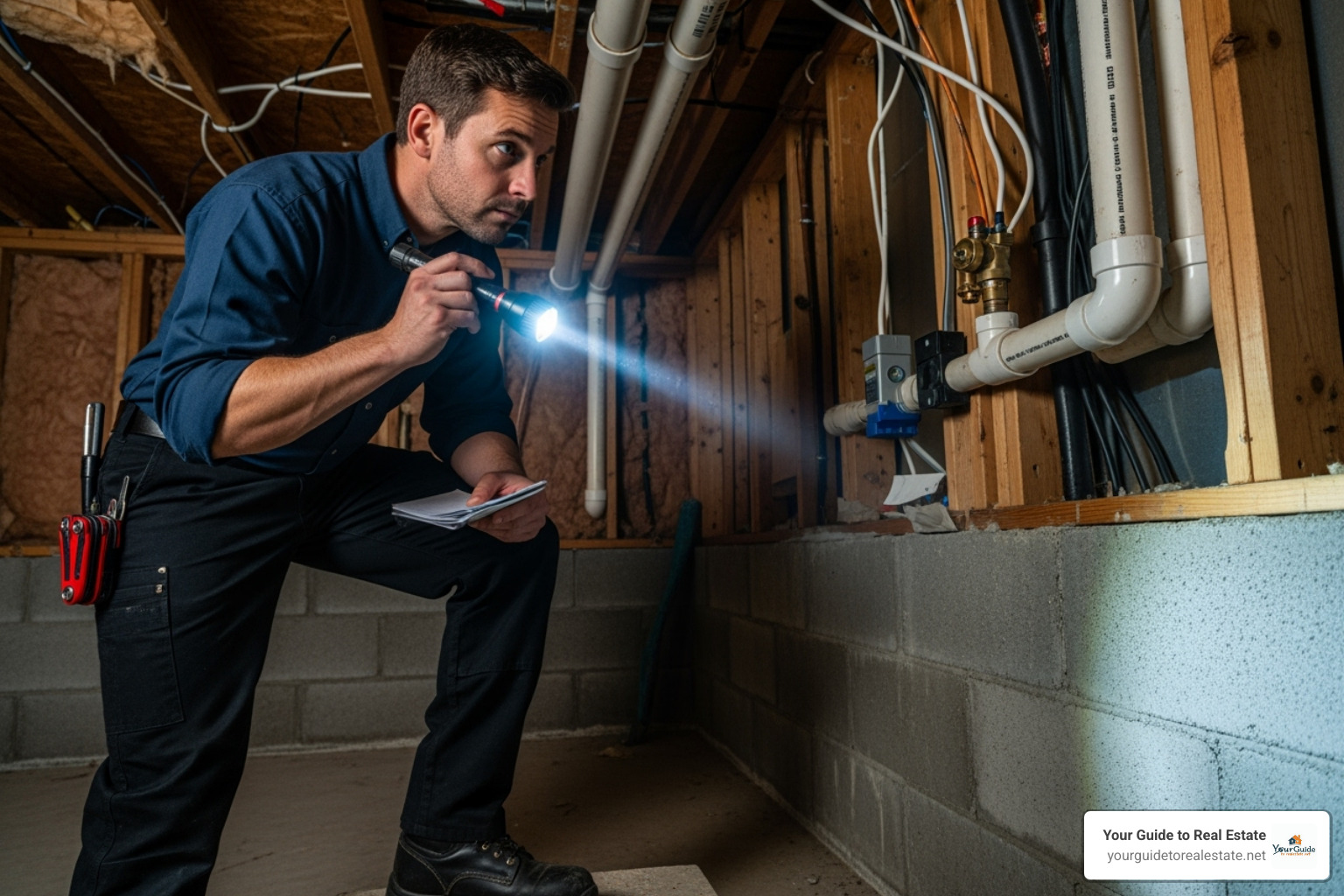
Once you’re viewing homes, your questions to ask realtor shift to the property itself. Your agent acts as your detective partner, helping you uncover a home’s hidden quirks and financial realities.
Assessing the property’s physical condition
Let’s start with the big-ticket items that could make or break your budget. “What’s the age and condition of the roof?” is a crucial question. A roof replacement can cost $15,000 to $30,000, so its age is a critical factor for your future budget.
Don’t forget about what’s beneath your feet either. “How’s the foundation condition?” should be right up there with your roof inquiry. Foundation issues can be expensive nightmares, and while your home inspector will give you the detailed report, your agent should be able to spot obvious red flags during your initial walkthrough.
Now let’s talk about the systems that keep your home comfortable and functional. Ask about major systems like HVAC, plumbing, and electrical. Your agent should know basics like whether the house has modern 200-amp electrical service or if you’re dealing with an older 60-amp system that might need upgrading. They should also be aware of any past repairs and renovations that might indicate either good maintenance or underlying problems that keep cropping up.
Here’s a question many buyers forget: “Are there any known issues with the property?” A good agent will be upfront about everything from that occasional basement leak to the quirky electrical outlet in the kitchen. This honesty now saves you from unpleasant surprises later.
Energy efficiency is becoming increasingly important, both for your wallet and the environment. Ask about insulation quality, window age, and any recent upgrades. An energy-efficient home means lower utility bills and potentially valuable tax credits. The IRS offers various energy tax credits that could help offset the cost of energy-efficient improvements.
Understanding the financials and legalities
Now for the numbers that will affect your monthly budget long after you’ve unpacked the last box. “What’s the property tax rate?” isn’t just about this year—it’s about understanding what you’ll pay annually for as long as you own the home. Property taxes can vary dramatically even within the same town, so get the specifics for your exact address.
Average utility costs can be eye-opening. Ask to see actual utility bills from both summer and winter months. That gorgeous house with the soaring ceilings might come with heating bills that’ll make you gasp. A good rule of thumb is budgeting 1% to 4% of the home’s value annually for maintenance and repairs, but your agent can give you more specific insights based on the property’s age and condition.
If you’re looking at a property with HOA fees and rules, make sure you understand exactly what you’re signing up for. Those monthly fees might cover amazing amenities, or they might just maintain a small playground. Also ask about special assessments—those surprise fees that HOAs sometimes levy for major repairs or improvements. Nothing ruins a budget like an unexpected $5,000 assessment for roof repairs on the community clubhouse.
Legal complications can turn your dream home into a legal nightmare. Ask your agent directly: “Are there any property liens, easements, or encroachments?” Liens are legal claims against the property that could become your responsibility. Easements might give the utility company permanent access through your backyard. Encroachments could mean your neighbor’s fence is actually three feet onto your property. These issues affect both your enjoyment of the property and its future resale value.
Finally, think about your future plans with “What zoning restrictions or building codes might affect renovations?” Maybe you’re dreaming of adding a deck or finishing the basement. Zoning laws and building codes could support those dreams or crush them entirely. Better to know now than after you’ve already fallen in love with the place.
Frequently Asked Questions about Hiring a Real Estate Agent
We’ve covered a lot of ground, but some questions come up frequently. Let’s tackle these common concerns about hiring an agent.
Can I negotiate a real estate agent’s commission?
Absolutely! This is one of the most important things to understand in today’s real estate market. Agent commissions have always been negotiable, but the recent NAR settlement has made this crystal clear—especially for buyers who are now directly responsible for their agent’s compensation.
Traditionally, that familiar 6% commission (usually split 3% to each agent) was baked into the home’s sale price. Now, as a buyer, you’re in the driver’s seat when it comes to negotiating what you’ll pay your agent. This could be a flat fee, a percentage of your purchase price, or even an hourly rate.
But here’s the thing—your agent’s commission directly impacts the value of service you receive. Think of it like hiring any other professional. A top-tier agent who charges a bit more might save you thousands through expert negotiation or help you avoid a money pit of a house. On the flip side, if you negotiate too aggressively on fees, you might end up with less dedicated time or fewer services.
The key is having an honest conversation about what’s included in their commission and what might cost extra. A skilled agent can often pay for themselves through the deals they negotiate and the problems they help you avoid.
What’s the difference between a real estate agent and a REALTOR®?
This trips up almost everyone! Here’s the simple breakdown. Every REALTOR® is a real estate agent, but not every real estate agent is a REALTOR®.
A real estate agent is anyone licensed by their state to help people buy or sell property.
A REALTOR® is a licensed agent who has also joined the National Association of REALTORS® (NAR). The big difference is that REALTORS® must adhere to NAR’s strict REALTOR® Code of Ethics, which obligates them to put your interests first and follow higher professional standards.
What if I’m unhappy with my agent after signing a contract?
Nobody wants to think about this possibility, but it’s smart to know your options before you need them. The good news? You’re not stuck forever if things aren’t working out.
Start by reviewing your buyer agreement carefully. This contract spells out how long you’re committed to working together and whether there are any cancellation clauses. Many agreements run for three to six months, but some might have specific conditions that let you terminate early.
If you’re frustrated with your agent’s performance, your first step should always be a direct conversation. Sometimes what feels like poor service is actually a communication mismatch that can be easily fixed. Be specific about your concerns—maybe they’re not showing you enough properties, or their response time is too slow for your liking.
When direct communication doesn’t solve the problem, contact the agent’s managing broker. Every agent works under a licensed broker who’s responsible for their conduct. The broker can often mediate disputes, assign you to a different agent within the same brokerage, or help facilitate a contract termination if the agent hasn’t met their obligations.
If an agent has truly failed to fulfill their contractual duties, you may have grounds to terminate the agreement regardless of the original terms. The key is documenting your concerns and attempting to resolve them professionally.
For more detailed guidance on making the right choice from the start, check out our Tips on real estate agent selection.
Conclusion
Navigating the real estate market, whether you’re a first-time homebuyer in Oklahoma City or looking for investment properties in Dallas, can feel like a monumental task. But with the right partner by your side, it becomes an exciting journey. Our goal at Your Guide to Real Estate is to empower you with a proven framework and stress-free guidance for success.
Asking the right questions to ask realtor candidates isn’t just about finding someone with a license; it’s about finding a true advocate, an expert, and a reliable guide who understands your unique needs and the local market. By thoroughly vetting potential agents using the questions we’ve outlined, you’re not just hiring a service provider; you’re forging a partnership that can significantly impact your financial well-being and overall home-buying experience.
Your home is likely the largest financial investment you’ll ever make. This decision deserves your full attention and careful consideration. Don’t be afraid to ask tough questions, compare answers, and trust your gut. The agent you choose can make all the difference, changing a potentially daunting process into a smooth and successful one.
Your Guide to Real Estate is here to support you every step of the way. Asking questions is the first step to success, and we’re committed to ensuring you have all the resources you need to make informed decisions.
To continue your journey towards a successful real estate experience, we invite you to Learn more about choosing a real estate broker.