Why Shotgun House Floor Plans Are Perfect for Modern Urban Living
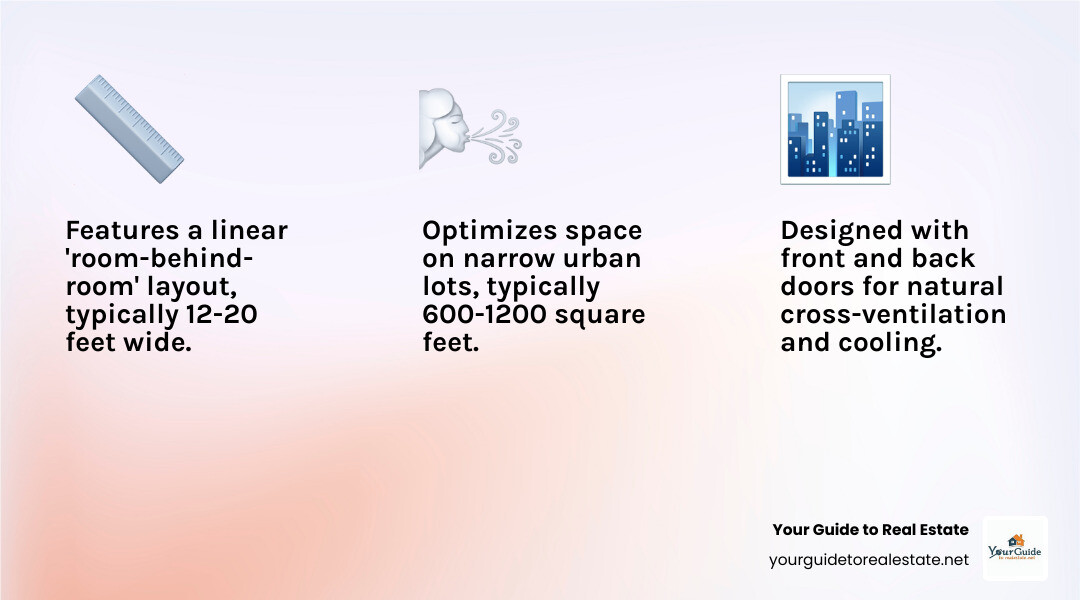
A shotgun house floor plan is a narrow, rectangular home design where rooms are arranged in a straight line, typically measuring 12-20 feet wide. This unique layout has evolved from its 1800s New Orleans origins into a smart solution for today’s housing challenges.
Key Features:
- Linear room arrangement with no hallways
- Narrow width ideal for tight urban lots
- High ceilings that create a sense of space
- Front and back doors for natural airflow
- Typical size of 600-1,200 square feet
As urban lots become smaller and more expensive, and the tiny house movement champions minimalism, shotgun houses are trending. Their space-efficient design appeals to first-time homebuyers, urban professionals, and real estate investors seeking affordable options in walkable neighborhoods. With the right floor plan, a shotgun house feels surprisingly spacious while fitting on lots where traditional homes won’t work.
Shotgun house floor plan terms explained:
What Defines a Shotgun House? From History to Modern Charm
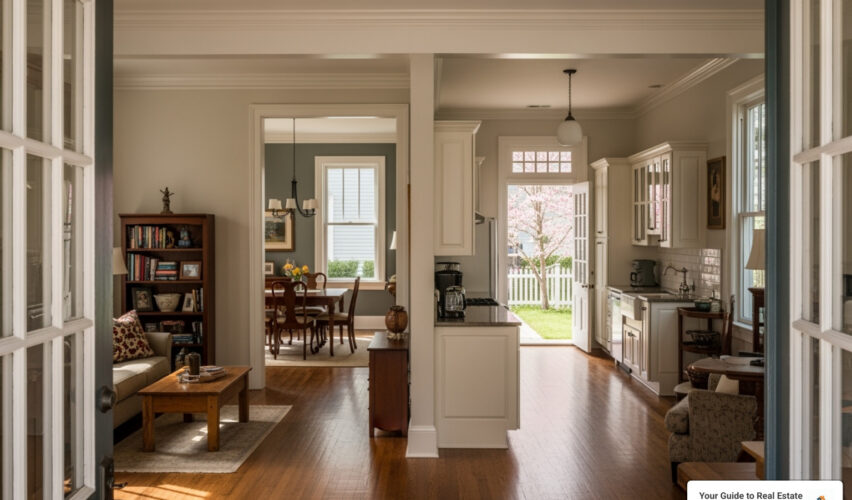
The shotgun house floor plan is defined by its linear flow. You can step through the front door and see straight through to the back, as each room opens directly into the next. This design has been a space-efficient solution for over 200 years.
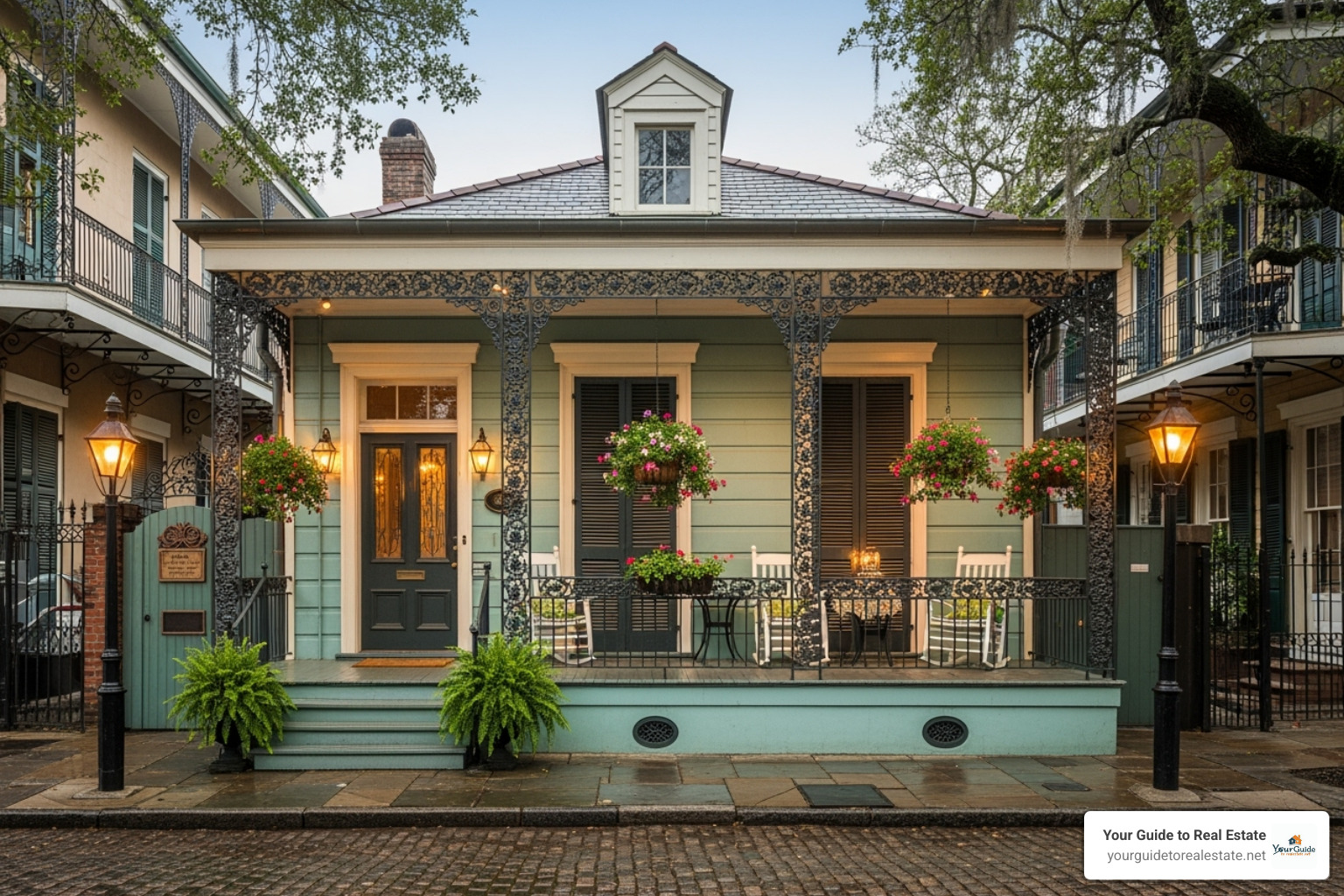
A shotgun house is a narrow, rectangular home, typically 12 to 20 feet wide, with a room-behind-room layout that eliminates hallways. The style’s origins trace to early 1800s New Orleans, influenced by West African and Haitian architectural traditions. The name’s origin is debated: folklore suggests you could fire a shotgun from the front door through the back, while historians believe it derives from the West African word “shogun,” meaning “house.”
Traditional features include a gabled roof, a welcoming front porch, and high ceilings for heat management. The style spread to cities like Louisville and Dallas, proving its practicality on narrow urban lots. You can learn more about the architectural style and its evolution.
Key Characteristics of a Traditional Layout
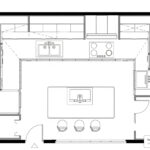
A traditional shotgun house features a linear room arrangement, typically starting with a living room, followed by one or two bedrooms, and ending with a kitchen. This layout maximized living space by eliminating hallways. The aligned front and back doors provided excellent natural ventilation, a key feature in hot climates. Many were built on raised foundations for flood protection. The main trade-off was a lack of privacy, as one had to walk through every room to get from front to back. Early homes also had exterior bathrooms, as indoor plumbing was not yet standard. You can see a traditional floor plan diagram under the CC BY-SA 3.0 license.
How Modern Designs Reinvent the Shotgun
Modern architects have updated the shotgun house floor plan to solve its original challenges while preserving its charm. Key adaptations include:
- Open-concept living: Combining the living, dining, and kitchen areas into one large, flowing space to improve the sense of openness.
- Strategic hallway placement: Adding a hallway along one side to provide private access to bedrooms and bathrooms.
- The Camelback: A partial second story added to the rear of the house, often for a master suite, which preserves the single-story look from the street.
- Duplex conversions: Removing the central wall of a double shotgun to create a wider single-family home.
These updates allow for modern amenities like functional kitchens, multiple bathrooms, and walk-in closets, making the shotgun house a practical choice for contemporary life. Our tips for first-time homebuyers considering unique properties can help you steer this market.
10 Awesome Shotgun House Floor Plans for Every Need
The shotgun house floor plan is remarkably adaptable. Whether you’re a minimalist, a growing family, or a real estate investor, there’s a shotgun design to fit your needs. These space-saving solutions are perfect for tight urban lots and infill projects.
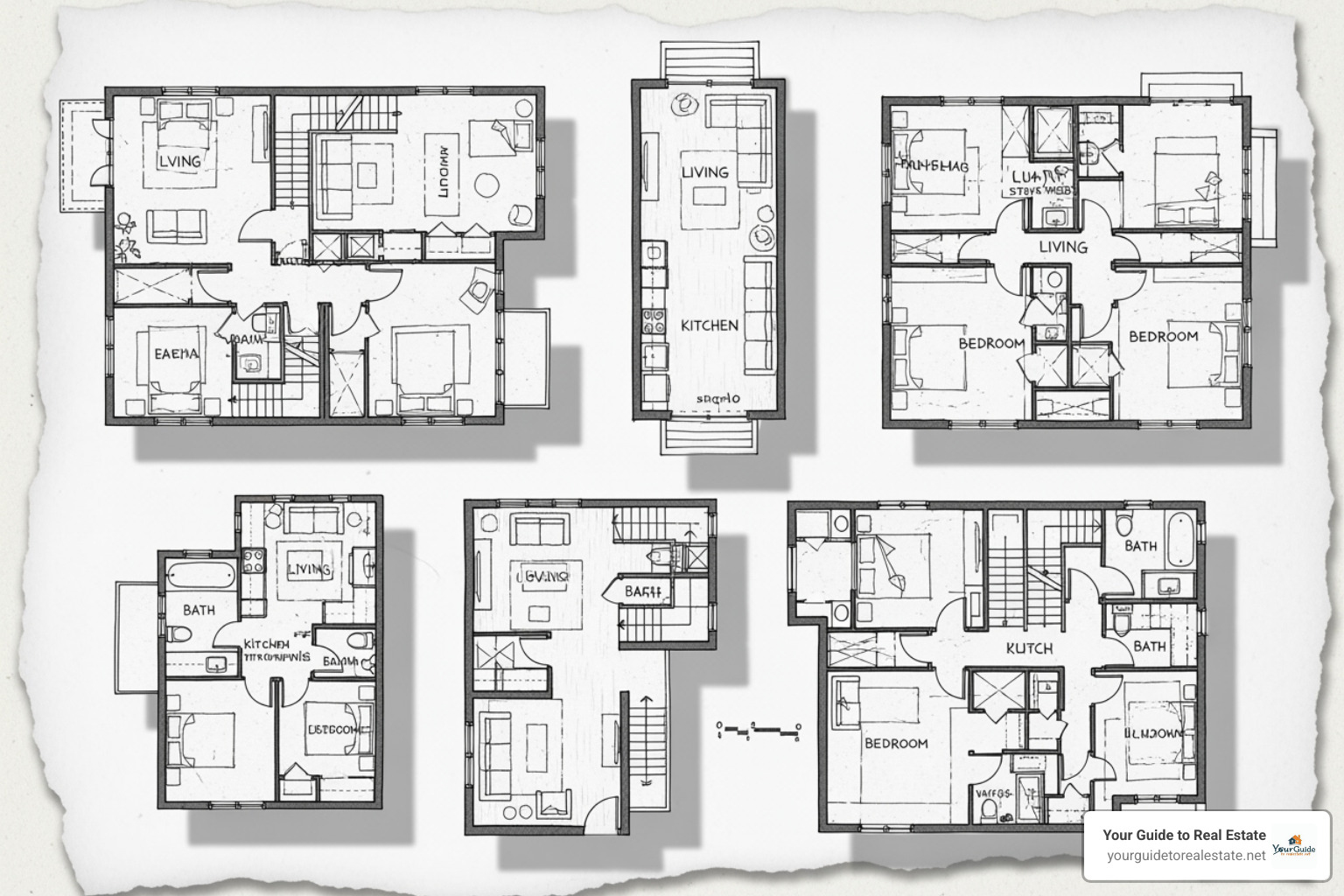
From micro-homes to spacious family houses, the following 10 floor plans showcase the versatility of the shotgun style. Each offers unique design inspiration and proves that great design can fit in a narrow package. Let’s explore these variations.
1. The Classic Single Shotgun House Floor Plan
The classic single shotgun house floor plan is the original, iconic design. It features a simple, linear flow: the front door opens into a living room, which leads to one or two bedrooms, and finally to the kitchen at the back. With no hallways, this layout efficiently uses every bit of its 600 to 900 square feet.
This design is perfect for individuals or couples embracing a “less is more” philosophy. The front porch serves as a connection to the neighborhood, while the rear kitchen often opens to a small yard, creating a pleasant indoor-outdoor flow.
Today, this floor plan remains appealing for its affordability, manageability, and suitability for narrow urban lots. It offers straightforward, honest living in a compact and charming package. This single shotgun home in Bloomington, Indiana, is a beautiful example of its timeless style.
2. The Double-Barrel (Duplex) Shotgun
A double-barrel shotgun house floor plan is a duplex created by placing two single shotgun units side-by-side, connected by a shared central wall. Each unit has its own front entrance and maintains the traditional linear room arrangement.
This design is a brilliant solution for maximizing housing on a single narrow lot. It’s particularly attractive to real estate investors seeking rental income—live in one unit and rent the other, or rent both for steady cash flow. It’s also ideal for multi-family living, allowing relatives to live closely while maintaining separate households.
When comparing multi-family options, it’s helpful to understand different property types; our guide on townhouse vs condo differences can provide context. You can see the classic charm of this design in this beautiful example of a double shotgun house from New Orleans. The double-barrel plan offers flexibility and investment potential that is hard to beat.
3. The Camelback Shotgun with a Second Story
The Camelback is an ingenious adaptation of the traditional shotgun house floor plan, adding space without sacrificing the narrow footprint. This design features a partial second floor built over the rear portion of the house. From the street, it maintains the classic single-story facade, preserving its historical character.
This upstairs addition, which gives the house its “camelback” name, is typically used for a master suite, additional bedrooms, or a home office. It’s the perfect solution for growing families who need more room but love their shotgun home’s charm and location.
The added space provides the best of both worlds: the historical street appeal of the original design and the modern functionality of extra square footage. You can see an example of a camelback style house in New Orleans, which shows how these homes can evolve to meet contemporary needs while preserving the single-story facade.
4. The Modern Open-Concept Shotgun House Floor Plan
The modern open-concept shotgun house floor plan reimagines the traditional layout for contemporary living. Instead of separate rooms, this design removes interior walls to create a bright, flowing space where the living room, dining area, and kitchen blend together.
This approach makes the narrow footprint feel surprisingly spacious. Natural light travels from the front of the house to the back, making the home feel larger and more inviting. Entertaining is effortless in this layout, as guests can move and interact freely.
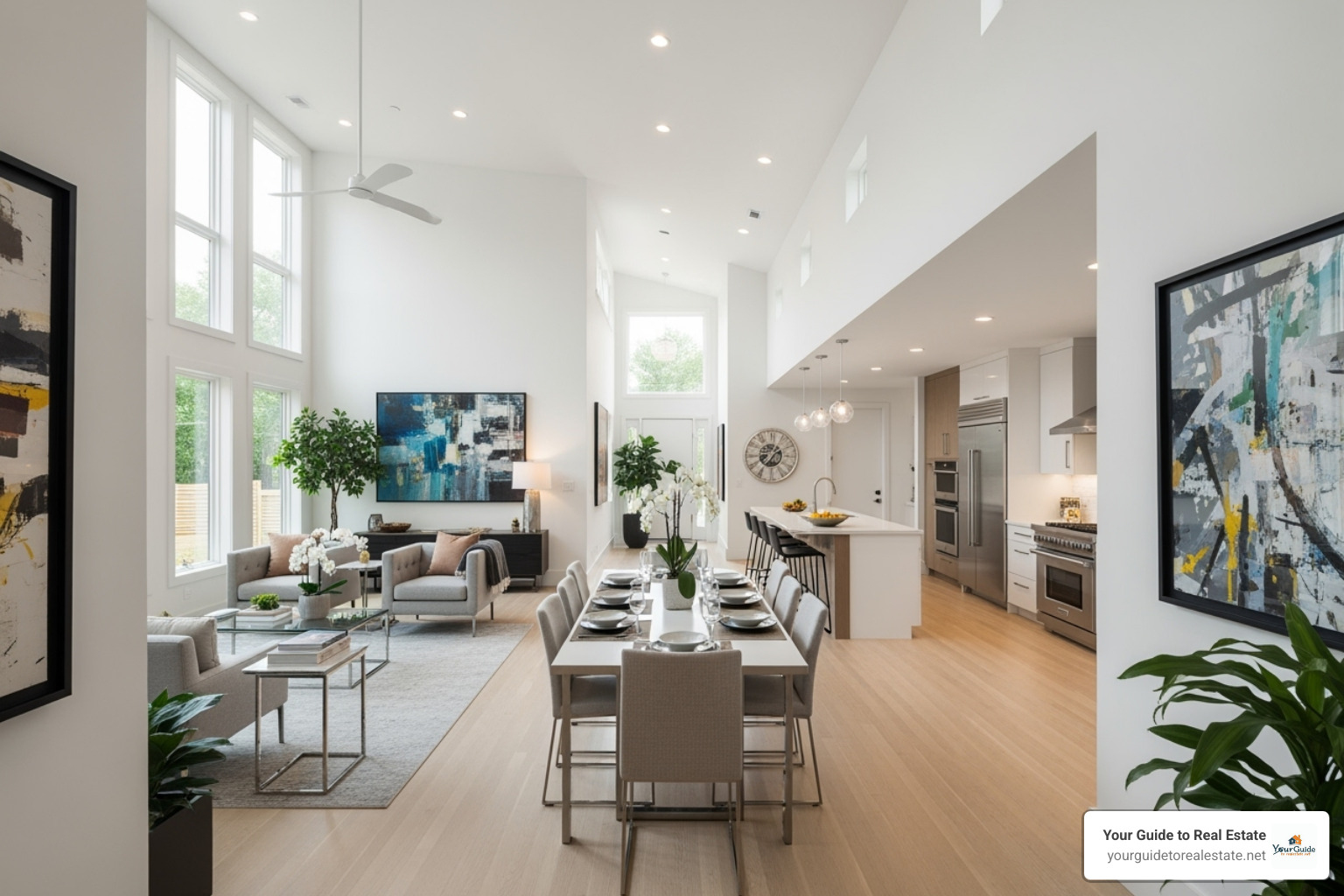
This style honors the shotgun’s front-to-back orientation while solving traditional privacy issues by keeping bedrooms and bathrooms separate, usually toward the back. It’s also well-suited for smart home technology, as explained in our article on how smart home tech is redefining modern living. This plan is ideal for young professionals, couples, or small families who value both historic character and modern comfort.
5. The Family-Friendly Three-Bedroom Shotgun
A shotgun house floor plan can absolutely work for families. A well-designed three-bedroom shotgun proves that you don’t need a sprawling home to live comfortably. The secret lies in smart adaptations that add space and privacy.
Most family-friendly designs incorporate either a Camelback addition with upstairs bedrooms or a side-hallway design that creates private access to each room. This allows for distinct sleeping zones, such as a master suite at one end and children’s rooms at the other.
These homes are appealing for families because they maximize every square foot on a narrow urban lot, avoiding wasted space on wide, formal hallways. The layout creates a sense of togetherness while still providing private retreats. For urban families wanting to live in walkable, character-filled neighborhoods, a three-bedroom shotgun offers a perfect compromise between space and location.
6. The Tiny Shotgun (Under 500 sq ft)
For the ultimate minimalist, the tiny shotgun embodies the “less is more” ethos of the shotgun house floor plan. These micro homes pack impressive functionality into less than 500 square feet through hyper-efficient design, built-in storage, and multi-functional furniture.
The layout is typically a single bedroom or a studio-style arrangement where living and sleeping areas flow together. These homes are perfect as an Accessory Dwelling Unit (ADU), a guest house, or an affordable primary residence for those committed to downsizing.
Benefits include minimal maintenance and low utility bills. For first-time buyers, a tiny shotgun can be a realistic path to homeownership, offering a way to build equity with minimal debt. Their small footprint makes them ideal for urban infill projects on unusually shaped lots where larger homes won’t fit.
7. The Side-Hallway Shotgun
The side-hallway shotgun is a clever variation that solves the primary criticism of the traditional shotgun house floor plan: its lack of privacy. In this design, a narrow hallway runs along one side of the house, providing independent access to each room.
This means you no longer have to walk through a bedroom to get to the kitchen. While adding a hallway sacrifices some interior width, the improved functionality and privacy make it a worthwhile trade-off. This adaptation allows the shotgun to function more like a conventional home while retaining its signature narrow footprint.
8. The Renovator’s Dream: A Converted Double
For those with a vision, converting a double shotgun into a single-family home is a dream project. This renovation involves removing the central dividing wall between the two units, creating one wide, spacious home.
This change opens up a world of shotgun house floor plan possibilities. With double the width, you can design large open-concept areas, multiple private bedrooms, and dedicated utility rooms or home offices. You gain a more conventional living space while retaining the historic charm of the original structure.
However, this is a major renovation. Removing a load-bearing wall requires professional structural engineering, permits, and a significant budget to ensure the home’s integrity. You may need to install steel beams or other supports. Our guide on how much it costs to build a house can offer a baseline for understanding construction expenses.
The result is a one-of-a-kind home that blends historic character with modern functionality.
9. The North Shore Shotgun with Verandas
The North Shore shotgun is a variation of the shotgun house floor plan that emphasizes relaxed, expansive living. This style wraps the classic linear layout in generous verandas, sometimes on multiple sides of the house.
These wide, covered porches act as outdoor rooms, blurring the lines between indoor and outdoor living. They provide shade and natural cooling, making them comfortable even in warm climates. This design is perfect for creating a seamless indoor-outdoor flow for entertaining or simply enjoying a slower pace of life.
The vacation home feel is undeniable, whether in a coastal or rural setting. Despite the outdoor luxury, the home maintains the efficient linear flow of a traditional shotgun, with rooms often opening directly onto the porch. This style proves the shotgun plan can adapt beautifully to different lifestyles, from dense urban neighborhoods to peaceful country retreats.
10. The Mid-Century Modern Shotgun
The Mid-Century Modern shotgun fuses two iconic American design movements, wrapping the traditional shotgun house floor plan in the sophisticated aesthetic of 1950s and 60s architecture.
This interpretation is defined by clean lines, a minimalist interior, and large windows—often floor-to-ceiling—that flood the narrow space with natural light. The emphasis on an indoor-outdoor connection is a natural fit for the shotgun’s layout, with large glass doors often opening onto a sleek patio or garden.
Materials like natural wood siding, stone accents, and exposed beams are common. This style appeals to design-conscious buyers who appreciate both the historical form of the shotgun and the refined elegance of mid-century design. It’s a home that feels both timeless and contemporary, proving the shotgun’s remarkable adaptability.
Advantages and Practical Considerations
The shotgun house floor plan offers compelling advantages but also comes with practical considerations. Understanding these trade-offs is key to deciding if this style is right for you.
Pros:
- Space-Efficient: Perfect for narrow urban lots.
- Affordable: Smaller footprint often means lower property taxes, utility bills, and construction costs.
- Community-Oriented: The front porch design encourages neighborly interaction.
- Natural Ventilation: Aligned front and back doors create a natural cooling breeze.
- Historical Character: Offers a unique connection to American architectural history.
Cons:
- Lack of Privacy: Traditional layouts require walking through rooms to move through the house.
- Noise Travel: Sound can easily pass between connected rooms.
- Difficult to Furnish: The narrow width can be challenging for large furniture.
- Limited Natural Light: Middle rooms can be dark in traditional designs.
Building and Renovating a Shotgun House
Building or renovating a shotgun house floor plan involves balancing historical charm with modern needs. For new construction, you’ll need to steer local building codes for narrow lots. For renovations, challenges include adding modern amenities like central air and updated kitchens. Many owners add a side hallway for privacy or a camelback addition for space. Finding experienced architects is key. Our guide on how to choose the right real estate agent can help you find professionals who understand these special homes.
Who is the Ideal Shotgun Homeowner?
The shotgun house appeals to a diverse group:
- First-time homebuyers value their affordability in desirable urban areas.
- Urban dwellers love the walkability and community feel.
- Minimalists appreciate the efficient use of space.
- Real estate investors see potential in double shotguns for rental income. Learn more about how to invest in real estate with unique properties.
- Singles or couples find the compact layouts ideal for their needs.
- History enthusiasts enjoy preserving a piece of architectural heritage.
Notable examples include Elvis Presley’s birthplace and a stunning renovation featured on HGTV’s Fixer Upper, showcasing their modern potential.
Frequently Asked Questions about the Shotgun House Floor Plan
Curious about the shotgun house floor plan? Here are answers to the most common questions.
Why is it called a shotgun house?
There are two popular theories. The folklore explanation suggests you could fire a shotgun through the front door and the bullet would exit the back without hitting a wall, describing the straight-line layout. However, architectural historians believe the name more likely derives from the West African word “shogun,” meaning “house,” brought to New Orleans by Haitian immigrants.
Are shotgun houses practical for modern living?
Yes, absolutely. While traditional layouts lacked privacy, modern adaptations have made them highly practical. Updated shotgun house floor plans often include side hallways, open-concept living areas, modern kitchens, and multiple bathrooms. Their narrow design is perfect for urban lots, and high ceilings help them feel spacious and cool, making them an energy-efficient and charming choice for contemporary life.
What is the difference between a single and double shotgun house?
A single shotgun is one individual home with the classic linear room arrangement. A double shotgun is a duplex, consisting of two single shotgun units built side-by-side and sharing a central wall. Each unit has its own entrance. While single shotguns are great for individuals or small families, double shotguns offer investment potential, allowing an owner to live in one side and rent out the other.
Conclusion
The shotgun house floor plan is a story of resilience, creativity, and timeless design. From its origins in 19th-century New Orleans, it has evolved into a smart solution for modern housing challenges, offering affordability, space efficiency, and minimalist appeal.
Its timeless charm and adaptability make it a perfect fit for today’s urban landscape. Whether a classic single, a spacious camelback, or a modern open-concept layout, there is a shotgun variation to suit any lifestyle. Choosing a shotgun house means embracing a rich architectural legacy while enjoying practical, contemporary comfort.
These homes prove that historical character and modern living can coexist beautifully. They are a versatile and efficient solution for urban density that doesn’t sacrifice personality.
At Your Guide to Real Estate, we know that unique properties require specialized expertise. For expert guidance on finding, buying, or renovating a distinctive home like a shotgun house, explore our virtual real estate brokerage services. We provide the framework and stress-free guidance to help turn your real estate dreams into reality.