Why Understanding What Not to Sell at Garage Sale Matters for Safe and Profitable Decluttering
What not to sell at garage sale is crucial knowledge for anyone preparing to downsize, declutter before a home sale, or simply clear out accumulated household items. While garage sales seem like an easy way to turn clutter into cash, certain items can create serious safety risks, legal liability, or simply waste your valuable time.
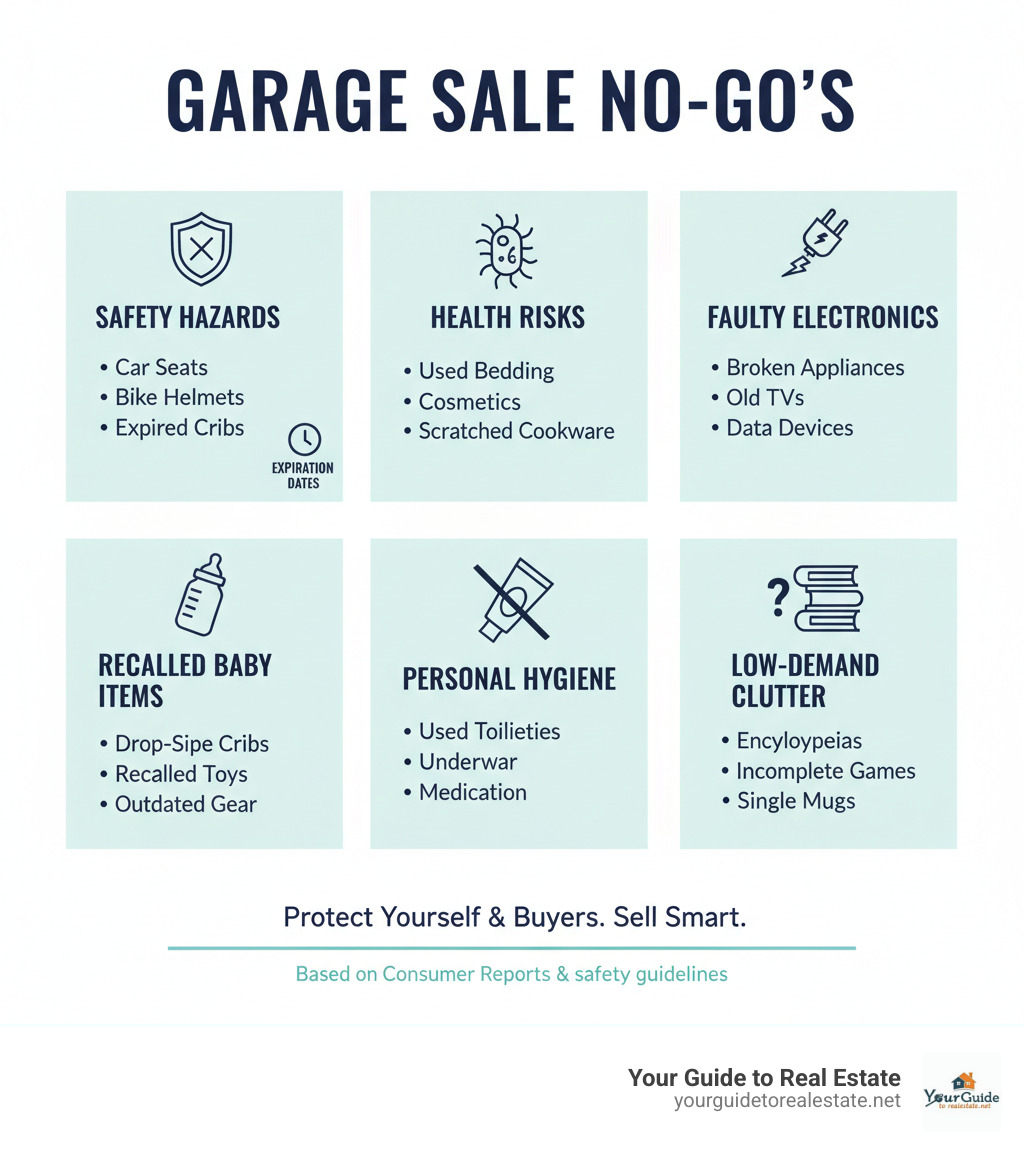
Items you should never sell at a garage sale include:
- Safety Equipment: Car seats, bike helmets, expired cribs
- Health Hazards: Used mattresses, pillows, cosmetics, non-stick cookware with scratched coating
- Electronics: Old TVs, broken appliances, devices with personal data
- Recalled Items: Drop-side cribs (banned since 2011), recalled toys, outdated baby gear
- Personal Items: Used underwear, half-empty toiletries, prescription medications
- Low-Value Clutter: Encyclopedias, incomplete games, single mugs, outdated media
Understanding these restrictions isn’t just about following rules – it’s about protecting yourself and your buyers while maximizing your garage sale profits. According to Consumer Reports, cribs with drop-down sides have been linked to dozens of infant deaths, and it’s illegal to sell recalled products even in secondhand markets.
The stakes are higher than you might think. Selling unsafe items can expose you to legal liability, while wasting time on unsellable junk prevents you from focusing on items that actually move. Smart sellers know that a well-curated garage sale with safe, desirable items will always outperform one cluttered with potential hazards and white elephants.
Whether you’re decluttering before listing your home or simply clearing space, knowing what to keep off your tables will make your sale more profitable, safer, and legally compliant.
What not to sell at garage sale terms simplified:
Prioritizing Safety: Recalled, Outdated, and Dangerous Items
When you’re planning a garage sale, it’s easy to get caught up in the excitement of clearing out clutter and making some extra cash. But here’s the thing – safety should always come first. Some items in your home might seem like perfect garage sale candidates, but they could actually put you and your buyers at serious risk.
The truth is, selling certain items can expose you to legal liability if someone gets hurt. It’s not just a “buyer beware” situation like many people think. If you sell a recalled product or something that causes injury, you could be held responsible. The Consumer Product Safety Commission (CPSC) has strict guidelines about this stuff, and they’re worth paying attention to.
Think about it this way – is making a few dollars really worth the potential headache of a lawsuit? We don’t think so either.
Baby and Child Gear: A Non-Negotiable Risk
If there’s one category that should be at the top of your what not to sell at garage sale list, it’s baby and child gear. These items are designed to protect our most precious little ones, and when they fail, the consequences can be heartbreaking.
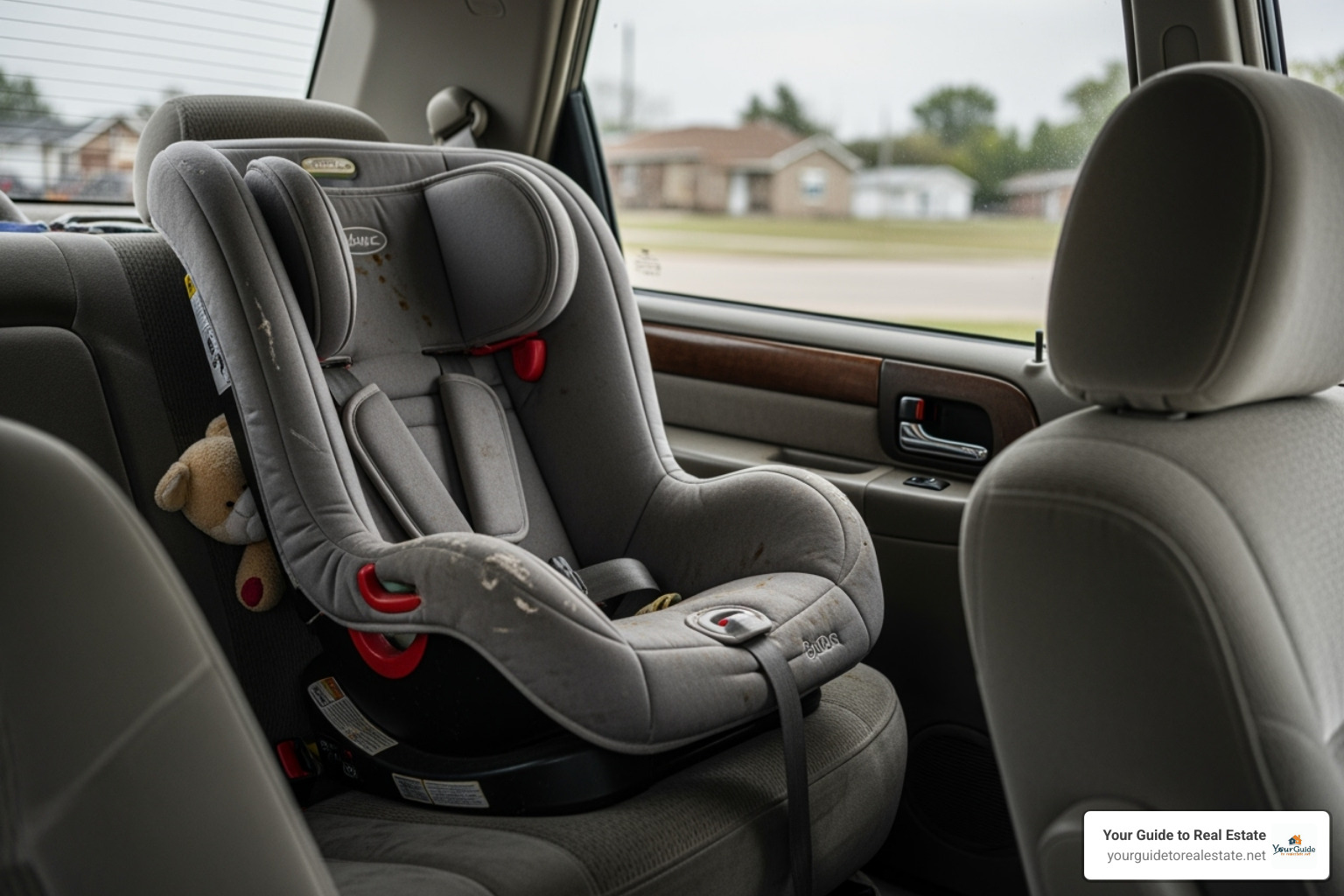
Let’s talk about car seats first. We get it – they’re expensive, and selling yours might help another family save money. But here’s the problem: you have no idea if that car seat has been in an accident. Even a minor fender bender can compromise the structure, making it unsafe. Plus, car seats have expiration dates (usually around six years) because the plastic degrades over time.
Cribs are another absolute no-go. Remember those drop-side cribs that were banned back in 2011? They were linked to dozens of infant deaths because the sides could malfunction and create dangerous gaps. Even regular cribs can be risky if they’re missing parts or don’t meet current safety standards.
Infant sleepers and other baby products get recalled more often than you’d think. And toys with small parts? They’re serious choking hazards, especially if they’re older models without proper safety features like screw-secured battery compartments.
When in doubt, check The Consumer Products Safety Commission website for recall information. It’s better to donate these items to a charity that can properly vet them than risk a tragedy.
Personal Protective and Sporting Equipment
Here’s something that might surprise you: helmets are designed to protect you from one major impact. After that, they’re basically done. The foam inside compresses and loses its protective ability, even if the helmet looks fine on the outside.
Bicycle helmets and motorcycle helmets fall into this category. You simply can’t guarantee their structural integrity if you don’t know their history. Was the previous owner in an accident? Has the helmet been dropped? There’s no way to tell, and that uncertainty makes these items too risky to sell.
The same goes for other used sporting equipment. That baseball bat might have hairline cracks you can’t see, or those ski boots might have collision damage that’s not obvious. When safety is on the line, it’s better to err on the side of caution.
For more insights on making smart purchasing decisions for your home and lifestyle, check out our First-Time Homebuyer Tips.
Outdated Electronics and Appliances
Old electronics might seem like harmless garage sale fodder, but they can be sneaky fire hazards. Those frayed cords and worn-out plugs? They’re accidents waiting to happen. Unless you can thoroughly test every electronic item at your sale (and honestly, who has time for that?), you’re taking a risk.
Vintage appliances are especially problematic. That retro toaster looks charming, but it probably doesn’t have modern safety features like GFCI protection. The heating elements could be faulty, and the wiring might not meet today’s safety standards.
Here’s the reality: fire hazards aren’t worth the few dollars you might make. Modern appliances have safety features that older models simply don’t have, and there’s often no way to verify that vintage equipment is still safe to use.
If you’re interested in learning more about electrical safety in your home, our guide on How to Wire a Light Switch covers some important basics that every homeowner should know.
The bottom line? When it comes to what not to sell at garage sale, anything that could potentially harm someone should stay off your tables. Your peace of mind is worth more than any profit you might make.
Health and Hygiene Concerns in Secondhand Goods
Sometimes the biggest risks at garage sales aren’t dramatic safety hazards – they’re the invisible health concerns lurking in everyday items. These are the things that might look perfectly fine on the surface but can harbor bacteria, allergens, mold, or even unwanted critters. As sellers, we want to offer items that buyers will actually want to take home, not things that will make them worry about what microscopic hitchhikers might be coming along for the ride.
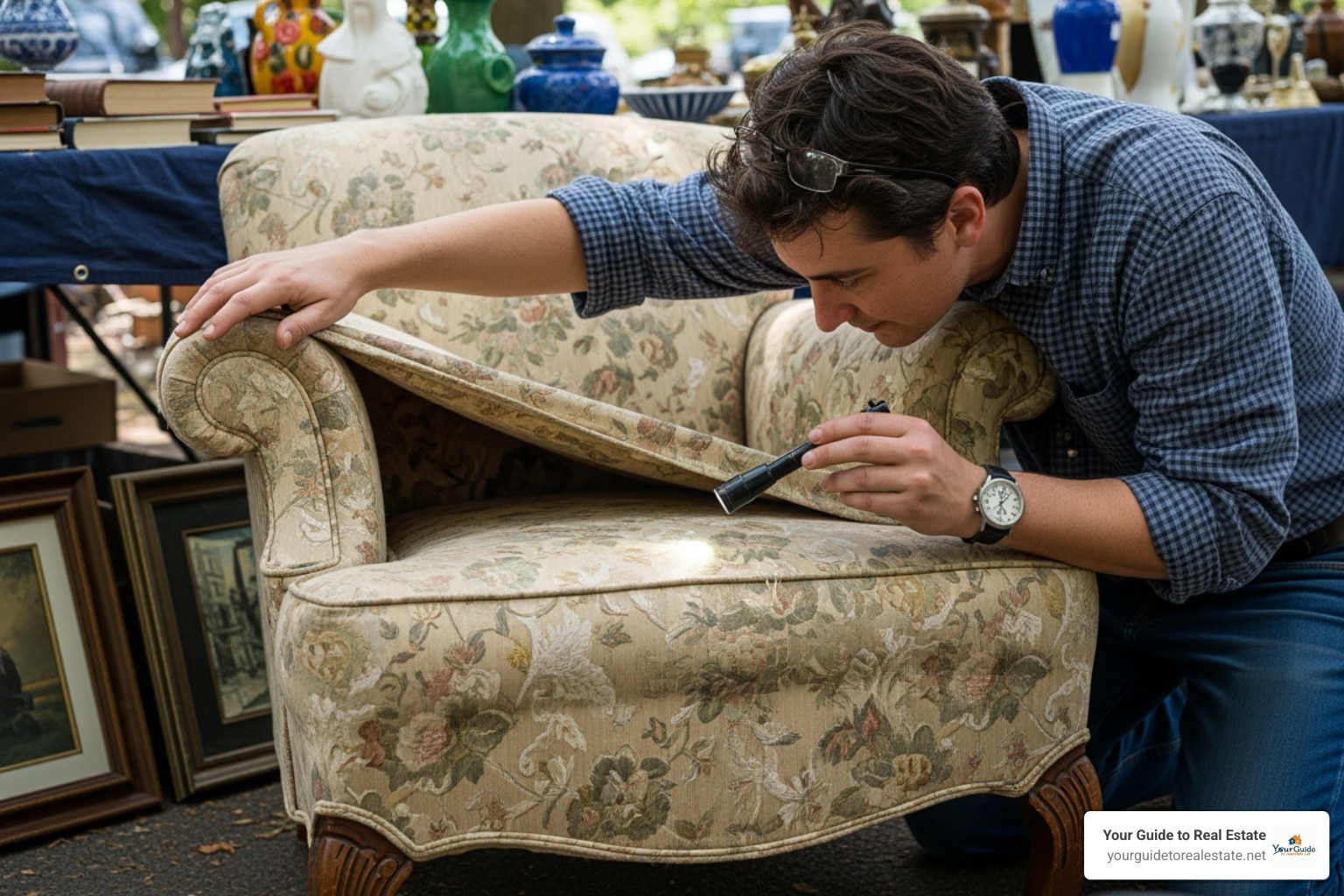
The reality is that some items simply can’t be cleaned well enough to make them appealing to buyers. Others carry such a strong “ick factor” that even bargain hunters will pass them by. Understanding which items fall into this category will save you from having tables full of things that nobody wants to touch, let alone buy.
Why Bedding and Upholstery Are a Tough Sell
Let’s talk about the elephant in the room: mattresses and pillows. These items are at the top of most buyers’ “what not to sell at garage sale” mental lists, and for very good reason. The biggest concern? Bed bugs. These tiny pests are incredibly difficult to spot and even harder to get rid of once they’ve moved into your home.
Most professional thrift stores won’t even accept donated mattresses because the risk is so high. Even if a mattress looks clean, it could be harboring dust mites, allergens, and other things we’d rather not think about. The same goes for pillows – they’re just too personal and too risky for most buyers to consider.
Stuffed animals present similar challenges. While that teddy bear might look adorable, it could be hiding bacteria, allergens, or worse. Unless stuffed animals can be thoroughly washed in hot water and completely dried, they’re not great candidates for resale.
Upholstered furniture is trickier because it can sometimes be a great find – but it comes with real risks. That beautiful vintage armchair might seem like a steal, but it could come with pet dander, odors, dust mites, or yes, even bed bugs. The deep fabric in upholstered pieces makes them nearly impossible to sanitize completely.
Think about it this way: would you feel comfortable bringing that used couch into your bedroom without knowing its complete history? If the answer is no, it probably shouldn’t be on your garage sale table either. For keeping your own home spotless (which is much easier than cleaning someone else’s mystery stains), check out our guide on How to Clean Oven.
What Not to Sell at a Garage Sale: Personal Care and Kitchen Items
Personal care items are another category where the hygiene concerns outweigh any potential savings. Cosmetics and perfume might seem like they’d have some resale value, but they present serious health risks. Once someone has used makeup, it can become contaminated with bacteria and fungi. Even if a lipstick looks barely used, you can’t verify whether it’s past its expiration date or has been tampered with.
Water bottles and reusable containers might seem harmless, but they can harbor bacteria and mold even after washing. The problem is that we can’t see what’s growing in those hard-to-reach corners. Plus, repeated use and washing can cause plastics to break down, potentially releasing chemicals. Unless these items are brand new and still sealed, they’re better off being recycled than resold.
In the kitchen, scratched non-stick cookware is definitely on the what not to sell at garage sale list. When that Teflon coating gets scratched or chipped, it can release harmful chemicals into food. Non-stick pans typically last about 3-5 years, so older ones are rarely worth the risk.
Vintage dishware can also be problematic. Those charming colorful plates from decades past might contain lead paint in their glazes – not exactly the kind of vintage charm anyone wants with their morning coffee.
Clothing and Accessories to Avoid
While clothing is usually a garage sale goldmine, some items are just too personal or too worn out to find new homes. Used underwear is an obvious no-go for hygiene reasons – this one should be pretty self-explanatory!
Worn-out shoes present their own set of problems. Shoes mold to their owner’s feet over time, making them uncomfortable for anyone else to wear. They also lose their support and cushioning, especially athletic shoes that have seen heavy use.
Stained clothing rarely sells, even at garage sale prices. Permanent stains, persistent odors, or clothes covered in pet hair usually end up in the “free” pile or the trash. If you can’t get a stain out with your best cleaning efforts, chances are buyers won’t want to take on that project either.
Wool items need special attention because they’re vulnerable to moth damage. Those tiny holes might be hard to spot when you’re pricing items, but buyers will notice them. Plus, you definitely don’t want to accidentally pass along moth larvae to an unsuspecting buyer.
The key is being honest about condition. If you wouldn’t be excited to receive an item as a gift, it probably won’t excite garage sale shoppers either. When you’re preparing your home for sale, this same principle applies – clearing out damaged or questionable items can make your space much more appealing. For more ideas on getting your home market-ready, take a look at our Quick Home Sale Tips.
The Unsellables: Items Buyers Consistently Ignore
Beyond safety and hygiene concerns, there’s a whole category of items that are perfectly harmless but will sit on your tables all day without a single interested buyer. These are the garage sale “white elephants” – items that take up valuable space, require your energy to display and price, yet never find new homes. Understanding these unsellables is crucial for running an efficient sale that actually makes money.

The truth is, home trends and technology have made many once-popular items completely obsolete. Rather than hoping someone will take them off your hands, it’s better to recognize these items early and find alternative disposal methods. Your garage sale will be more focused, less cluttered, and ultimately more profitable.
Bulky, Outdated Furniture and Decor
Home design has shifted dramatically toward minimalism and functionality, leaving many furniture pieces from previous decades without buyers. Large entertainment centers that once housed bulky tube TVs are now practically impossible to sell. These massive, deep units simply don’t work with today’s slim flat-screen televisions, and most people prefer wall-mounted TVs or sleek media consoles.
Armoires face a similar fate. While they were once essential for storing clothes in homes without adequate closet space, modern homes typically have better built-in storage. These heavy, imposing pieces don’t fit today’s open, airy aesthetic preferences, and they’re a nightmare to move.
Large desks with built-in hutches also struggle to find new homes. With more people working from laptops and preferring clean, uncluttered workspaces, these bulky office pieces feel outdated. Even old tube TVs are essentially worthless – they’re heavy, take up enormous space, and most younger buyers have never even owned one.
The same goes for dated home decor like ceramic figurines, ornate table lamps with heavy bases, or artificial flowers in brass vases. What felt neat and sophisticated twenty years ago often looks cluttered and old-fashioned to today’s buyers who prefer cleaner lines and more neutral palettes.
When we help homeowners prepare for sale, these are exactly the types of items we recommend removing to create more appealing, spacious-feeling rooms. If you’re planning to sell your home, our The Ultimate Guide to Selling Your Home: Tips, Timelines, and Tools can help you understand which items improve your home’s appeal and which ones detract from it.
Media and Books with No Resale Value
The digital revolution has made entire categories of media almost worthless in the secondhand market. Encyclopedias top this list – those heavy, leather-bound sets that once represented knowledge and sophistication now can’t compete with instant internet searches. We’ve seen beautiful encyclopedia sets priced at $5 for the entire collection sit untouched all day.
Textbooks face the same challenge. Even recent editions become outdated quickly, and students increasingly rent digital versions or buy new ones with access codes for online resources. Unless you have a rare first edition or historically significant textbook, they’re typically what not to sell at garage sale items.
VHS tapes, CDs, and DVDs also fall into this category. While there’s a tiny collector’s market for certain rare VHS titles, the vast majority are worthless. Most people stream movies and music now, making physical media feel cumbersome and unnecessary. Those boxes of mixed CDs from the early 2000s? They’ll likely go home with you at the end of the day.
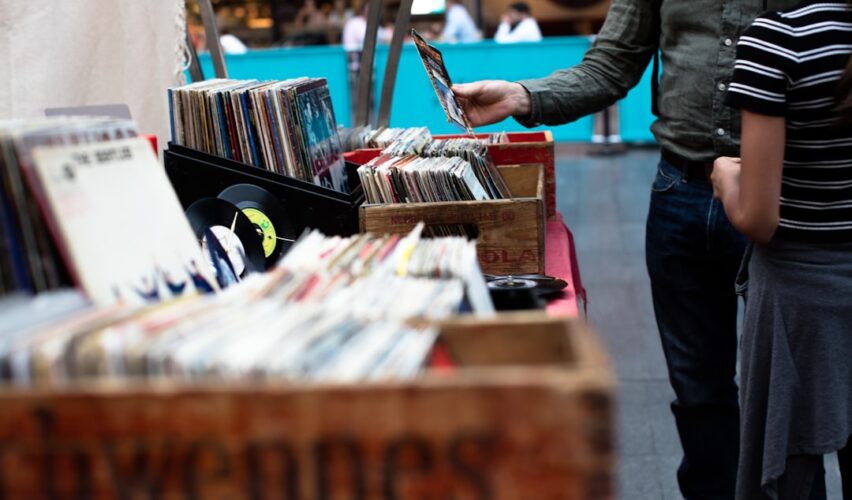
Even old record albums can be tricky. While vinyl has made a comeback, most garage sale LPs are common titles in poor condition. Without knowing which albums might have value, you’re better off researching them separately or taking them to a specialized record store. According to 13 things that nobody wants at yard sales — and how to get rid of them, having a plan for these unsellable items is essential for garage sale success.
What Not to Sell at a Garage Sale: Incomplete or Niche Items
Nothing frustrates garage sale shoppers more than finding an item is incomplete after they’ve shown interest. Board games and puzzles with missing pieces are particularly problematic. That 1000-piece jigsaw puzzle missing even one piece becomes worthless to buyers. Board games without all their components are equally frustrating – imagine getting home with Monopoly only to find there’s no dice or the properties cards are incomplete.
Single coffee mugs rarely sell unless they’re part of a clearly valuable or unique collection. Most people want matching sets or have very specific taste in mugs. That lone “World’s Best Dad” mug from 1995 will likely remain lonely on your table all day.
Niche collectibles present another challenge. While that vintage model train or specialized craft supply might be valuable to the right person, the odds of that specific collector wandering through your garage sale are slim. These items often do better on specialized online marketplaces where enthusiasts actually look for them.
Silver plate items also struggle at garage sales. Many people confuse silver plate with sterling silver, but the reality is that silver plate has little resale value. It requires maintenance, can tarnish, and doesn’t have the intrinsic metal value of sterling silver. Unless buyers know the difference and specifically want silver plate pieces, they’ll pass them by.
The key is recognizing that your garage sale attracts general bargain hunters, not specialized collectors. Items that require specific knowledge or interest are better sold through targeted channels or donated to organizations that can properly evaluate and distribute them.
Smart Alternatives for Unsellable Garage Sale Items
So, we’ve identified a long list of items for our what not to sell at garage sale inventory. But what do we do with them? The goal is to declutter responsibly, not just shift junk from our garage to a landfill. Fortunately, there are many smart alternatives to simply throwing things away, and with a little creativity, we can find new homes for almost everything.
Donation and Specialized Resale
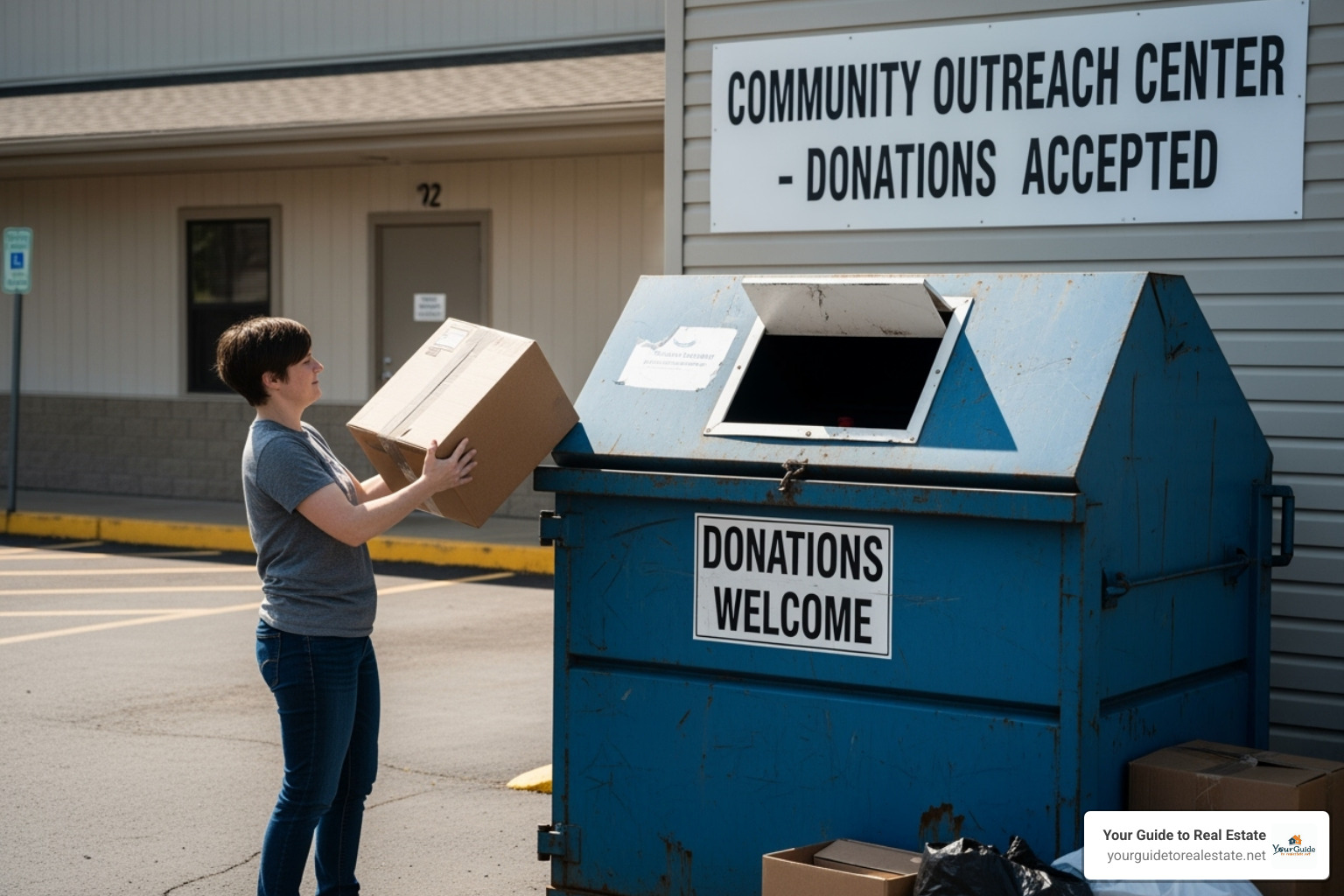
For many items that aren’t suitable for a garage sale but still have life left in them, donation is often our best bet. Local charities like Goodwill, The Salvation Army, and Habitat for Humanity ReStores accept a wide range of goods and are always grateful for donations. Just remember to check their specific donation policies first – they often have restrictions on items like mattresses, large appliances, or anything broken.
Here’s the thing about donations: most organizations won’t accept used stuffed animals or pillows due to hygiene concerns, but they’re usually happy to take clean clothing, books, and household items that just didn’t work for your garage sale.
When you have items with niche appeal or higher value, consignment shops can be a goldmine. They’re particularly great for higher-end clothing, furniture, or home decor that might be too specific for a general garage sale crowd. Online marketplaces like eBay or Facebook Marketplace work wonderfully for collectibles, specific electronics, or unique furniture pieces that need the right buyer. The key is matching the item to the right audience.
If you suspect something might be genuinely valuable, antique dealers can help you determine if it’s worth more than you think before you donate or sell it cheaply. And don’t forget about specialized nonprofits – some organizations focus on specific donations, like shelters accepting old cell phones or animal rescues taking pet supplies.
Repurposing and Upcycling
Sometimes, an item’s real value isn’t in its original form, but in what it can become. Repurposing and upcycling are creative ways to give new life to old things, and honestly, it can be pretty fun too.
That bulky armoire that nobody wanted at your garage sale? With some imagination, it could become a craft cabinet, a potting bench for your garden, or even a unique home bar. Old wooden furniture responds beautifully to sanding and repainting, changing dated pieces into fresh, modern additions to your home.
Even items that seem completely worn out can find new purpose. Stained clothes make excellent cleaning rags, and broken toys can be incorporated into kids’ art projects. The internet is full of DIY projects and craft ideas that can inspire us to see potential in items we might otherwise discard. Sometimes the most satisfying part of decluttering is finding that something “worthless” can become exactly what we need for another project.
Responsible Disposal and Recycling
For items that are truly at the end of their useful life, or those that pose safety or environmental hazards, responsible disposal is crucial. This is where we really make a difference for our community and environment.
E-waste recycling is essential for old electronics, computers, and TVs. Many communities offer e-waste recycling events or permanent drop-off sites that ensure hazardous materials are handled properly instead of ending up in landfills. Hazardous waste facilities are the right choice for paint, chemicals, automotive fluids, and certain batteries – these should never go in regular trash.
Mattress disposal services are becoming more common as communities recognize that mattresses are terrible for landfills. Some areas have specialized services that will pick up and recycle old mattresses, breaking them down into reusable materials. Even textile recycling programs can handle worn-out or stained clothing, turning them into insulation or other useful materials.
The bottom line is that managing our home and possessions effectively means thinking beyond just “sell it or trash it.” By choosing responsible alternatives for items that don’t belong at a garage sale, we contribute to a cleaner environment and ensure our decluttering efforts are truly stress-free and meaningful.
Frequently Asked Questions about What to Sell at a Garage Sale
Planning a garage sale brings up lots of questions, especially when we’re trying to figure out which items might cause problems. We’ve helped countless homeowners steer these decisions, and here are the questions that come up most often.
How can I check if an item has been recalled?
Before putting anything out for sale, especially baby gear or electronics, checking for recalls should be our first step. The easiest place to start is CPSC.gov, where we can search by product type, brand name, or specific model number. Recalls.gov is another excellent resource that brings together recall information from different government agencies.
For newer products, look for QR codes on the packaging or product labels – these often link directly to current safety information. Manufacturer websites are also reliable sources, especially if we have the model number handy. The key is being as specific as possible with model numbers and manufacturing dates when we search.
We can’t stress this enough: taking five minutes to check could save us from serious legal trouble down the road.
What are the legal risks of selling a recalled item?
Here’s something many people don’t realize: it is illegal to sell recalled products, even at garage sales. We’re not talking about a simple “oops” situation either. If we sell a recalled item and someone gets hurt, we could face fines, civil penalties, and legal liability for any injuries that occur.
The Consumer Product Safety Commission actively monitors secondhand markets, including garage sales and online platforms. Even major sites like Craigslist have specific policies about this – you can read more about their stance on recalled items.
The bottom line? If an item has been recalled, it needs to be disposed of according to the recall instructions, not passed along to someone else. Safety first isn’t just a saying when it comes to what not to sell at garage sale decisions.
What are the absolute worst items to try and sell at a garage sale?
After years of helping homeowners declutter and prepare for sales, we’ve seen which items consistently create problems. Used mattresses top our what not to sell at garage sale list because of bed bug risks and hygiene concerns – most thrift stores won’t even accept them.
Expired car seats are equally problematic. These have expiration dates for safety reasons, and we simply can’t verify if they’ve been in accidents. Old tube TVs and bulky entertainment centers are technology dinosaurs that nobody wants to haul away.
Used cosmetics pose contamination risks, while encyclopedias have been made obsolete by the internet. Incomplete board games frustrate buyers, and scratched non-stick cookware can release harmful chemicals into food.
Drop-side cribs deserve special mention because they’ve been banned since 2011 due to infant deaths – selling these isn’t just unwise, it’s illegal. Similarly, used underwear and worn-out shoes have obvious hygiene issues that make them impossible sells.
These items will likely sit on our tables all day, taking up valuable space that could showcase items people actually want to buy. More importantly, some of them could expose us to liability if they cause problems for buyers later.
Smart garage sale planning means knowing which items to skip entirely, focusing our energy on safe, desirable products that will actually move.
Conclusion
Planning a successful garage sale goes far beyond simply putting price tags on everything in your closets. Understanding what not to sell at garage sale isn’t just helpful advice—it’s essential knowledge that can protect you, your buyers, and your reputation in the community.
When we take the time to carefully curate what goes on our tables, amazing things happen. We avoid potential lawsuits from selling recalled baby gear. We prevent the embarrassment of having safety-conscious parents walk away from our sale after spotting an expired car seat. Most importantly, we create an environment where shoppers feel confident and comfortable making purchases.
Safety always comes first. Whether it’s keeping those drop-side cribs (banned since 2011) out of circulation or ensuring we’re not passing along scratched non-stick pans that could release harmful chemicals, our responsibility extends beyond just making a quick buck. The peace of mind that comes from knowing we’ve done the right thing is worth more than any garage sale profit.
Smart decluttering means recognizing that some items simply don’t belong in the secondhand market. Those bulky entertainment centers designed for old tube TVs? They’re taking up valuable table space that could showcase items people actually want to buy. That set of encyclopedias from 1995? They’re more likely to end up back in someone else’s donation pile than on their bookshelf.
The beauty of being selective is that it actually maximizes your profit potential. When browsers aren’t wading through unsafe items, outdated electronics, and hygiene concerns like used cosmetics, they can focus on the good stuff. A well-organized sale with quality, safe items will always outperform one cluttered with questionable merchandise.
By following these guidelines, you’re not just clearing out your home—you’re contributing to a safer, more responsible secondhand marketplace. And when you’re ready to take the next big step in your home journey, whether that’s downsizing, upgrading, or relocating entirely, the same attention to detail and safety-first mindset will serve you well.
Find the right real estate professional to help manage your home sale