
Why Understanding Home Inspection Failures Gives You the Upper Hand
Things that fail a home inspection are more common than you might think – and that’s actually good news for smart buyers and sellers. According to industry data, 86% of buyers who used a home inspector said the inspection identified at least one problem that needed attention.
Here are the most common issues that show up in inspection reports:
- Roofing problems – damaged shingles, leaks, loose flashing
- Electrical issues – faulty wiring, outdated panels, safety hazards
- Plumbing defects – leaky pipes, low water pressure, old materials
- Foundation concerns – cracks, settling, structural damage
- HVAC failures – heating/cooling problems, poor maintenance
- Water damage – improper drainage, mold, moisture issues
- Pest infestations – termites, rodents, structural damage
- Safety hazards – asbestos, lead paint, radon gas
The key insight? Nearly two in five existing homes suffer from some type of major defect, with repair costs potentially reaching $15,000 or more. But here’s where it gets interesting – these findings aren’t deal-killers. They’re negotiation tools.
When you understand what inspectors commonly flag, you gain serious leverage. As a buyer, you can negotiate repairs, credits, or price reductions. As a seller, you can address issues proactively to avoid last-minute surprises that derail your sale.
The inspection process isn’t about finding the “perfect” home – it’s about making informed decisions with your eyes wide open.
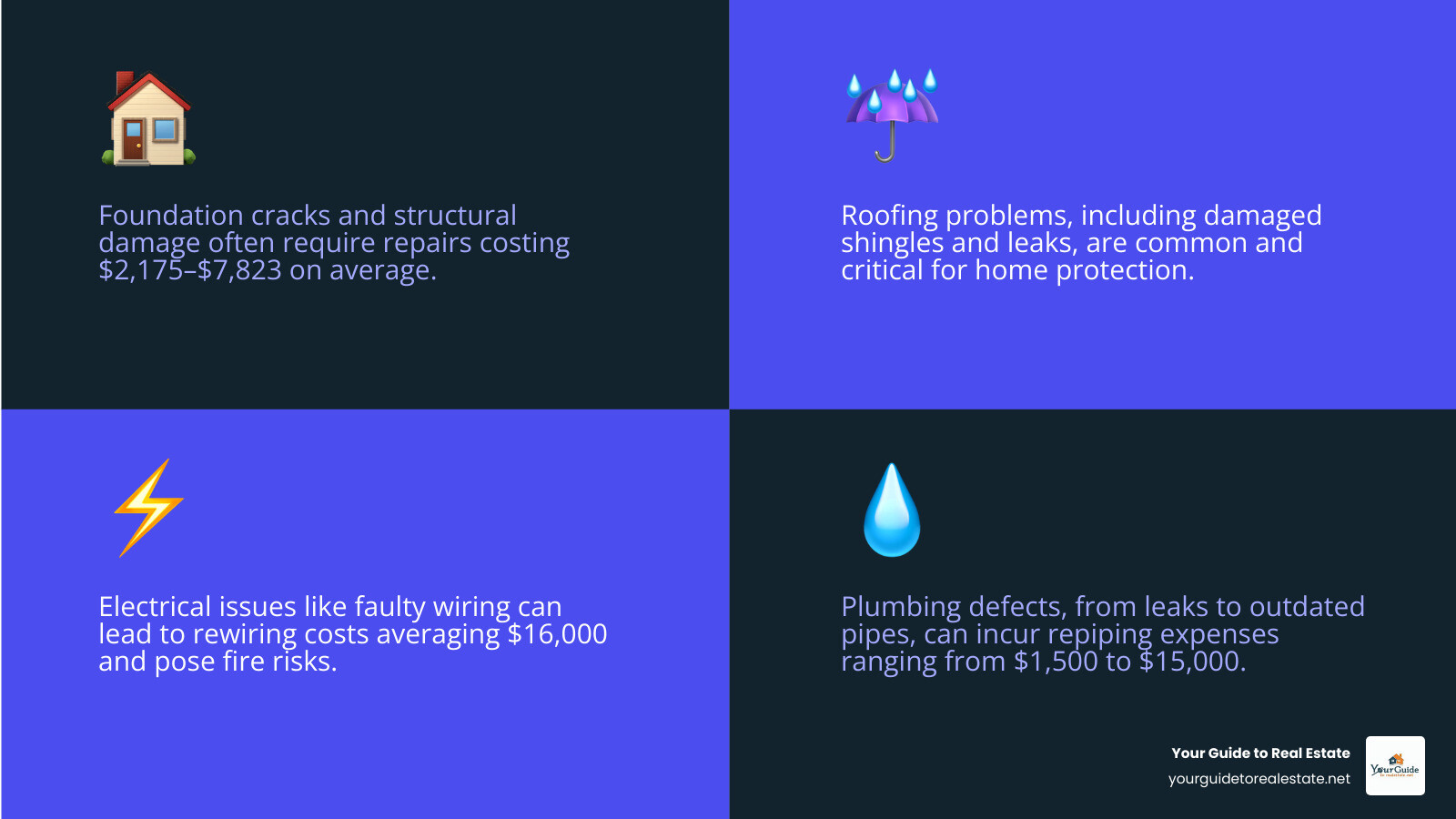
Simple guide to things that fail a home inspection terms:
The “Big 5”: Major Systems That Often Raise Concerns
When it comes to things that fail a home inspection, five major systems consistently top the list. These aren’t just minor inconveniences – they’re the big-ticket items that can make or break a real estate deal. Understanding what inspectors look for in these critical areas gives you serious negotiating power, whether you’re buying or selling.
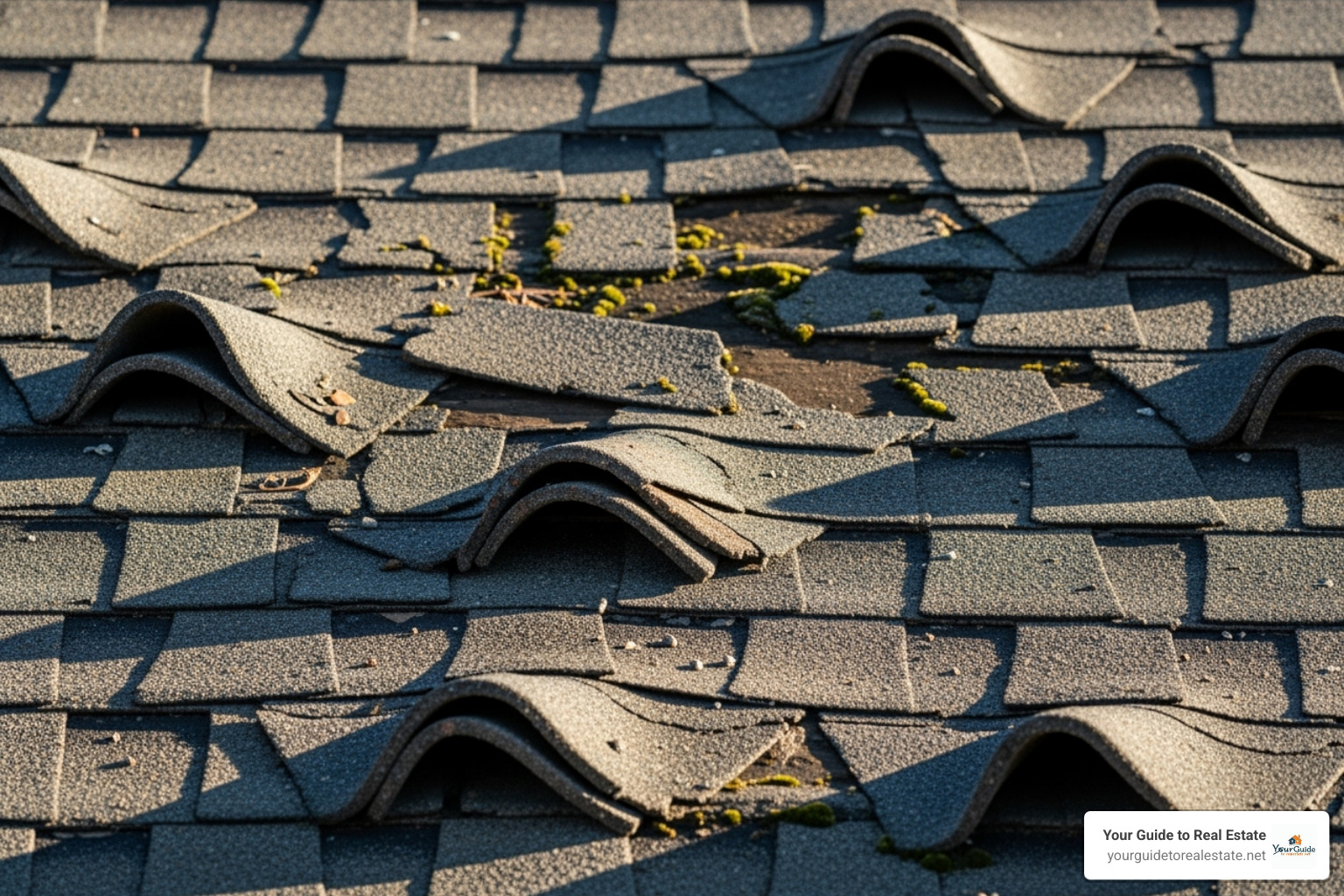
1. Roofing Woes: Your Home’s First Line of Defense
Your roof takes a beating from Mother Nature year-round, which is why roofing problems are among the most common things that fail a home inspection. Think of your roof as your home’s umbrella – when it fails, everything underneath gets wet.
Inspectors know exactly what to look for up there. Damaged or curled shingles are dead giveaways that a roof is aging out. Loose flashing around chimneys, vents, and skylights creates perfect entry points for water. And any visible leaks or water stains on ceilings? That’s an immediate red flag.
Here’s a reality check: asphalt shingle roofs typically last 20-22 years. If you’re looking at a home with a roof pushing that age limit, expect it to show up in your inspection report. The good news? Inspectors don’t always need to play Spider-Man and climb onto every roof. They use binoculars, drones, or ladder assessments to get a thorough look at your home’s first line of defense.
A failing roof isn’t just about a few drips during rainstorms. It’s about potential water damage, mold growth, and repair bills that can reach into the tens of thousands. That’s why roofing issues carry serious weight in negotiations.
More info about home maintenance.
2. Electrical System Dangers: From Faulty Wiring to Outdated Panels
Here’s something that might surprise you: electrical issues cause around 51,000 home fires every year in the U.S. That’s why inspectors take electrical problems so seriously – they’re literally looking for life-threatening hazards.
Faulty wiring is especially common in older homes. We’re talking about homes built between the 1950s and 1970s where you might find frayed insulation, DIY wiring jobs that would make an electrician cry, or wires that are just plain wrong for the job. Aluminum wiring, popular from 1965 to 1973, is another troublemaker that deteriorates faster than copper and can cause overheating.
Then there are those outdated electrical panels that are basically ticking time bombs. Brands like Zinsco and Federal Pacific, installed from the 1950s to 1980s, have design flaws that prevent circuit breakers from tripping properly. The result? Overheating and fire risk. Many insurance companies won’t even cover homes with these panels.
The financial reality hits hard here. Panel replacement averages around $2,400, while a complete house rewiring can cost about $16,000. When inspectors flag electrical issues, they’re not being picky – they’re potentially saving lives and preventing devastating fires.
Learn how to wire a light switch safely.
3. Plumbing Problems: Leaks, Low Pressure, and Old Pipes
Nothing ruins a home faster than water in the wrong places. Plumbing issues range from annoying drips to full-scale disasters, making them frequent stars on the list of things that fail a home inspection.
Leaky pipes and faucets might seem minor, but they’re like that small hole in a boat – eventually, you’re going to have big problems. Even tiny leaks lead to water damage, mold growth, and utility bills that make you question your life choices.
Low water pressure is another telltale sign of trouble. Your home should maintain 40-80 psi for proper function. When pressure drops below this range, it usually means blockages, corroded pipes, or problems with your main water supply.
Here’s where age really matters: outdated pipe materials are plumbing disasters waiting to happen. Polybutylene plastic pipes, used from 1978 to 1994, have earned the nickname “lawsuit pipes” for their tendency to fail without warning. Cast iron and galvanized pipes in older homes corrode from the inside out, giving you rust-colored water and eventual leaks.
The price tag for repiping ranges from $1,500 to $15,000, depending on your home’s size and the materials involved. That’s why catching these issues during inspection can save you from some seriously unpleasant surprises.
Guide to garbage disposal installation.
4. Foundation and Structural Flaws: The Base of Your Investment
When we talk about foundation problems, we’re talking about the most expensive and serious things that fail a home inspection. Your foundation literally holds everything up – when it fails, your entire investment is at risk.
Here’s a fact that might shock you: 60% of U.S. homes sit on expansive soil containing clay. This soil shifts and moves, creating the perfect storm for foundation problems. It’s like building your house on a slow-motion earthquake.

Inspectors look for the warning signs that your foundation is throwing in the towel. Horizontal cracks with bulging are the big red flags – these indicate serious structural movement. Sticking doors and windows that used to close perfectly? That’s your house telling you it’s shifting. Sloping floors aren’t just annoying – they’re symptoms of foundational movement or compromised support.
The financial reality is sobering. Foundation repairs typically cost $2,175 to $7,823, but extensive damage can easily push past $10,000. In worst-case scenarios, you’re looking at $100,000 or more for major overhauls. When structural issues surface during inspection, smart buyers bring in a structural engineer for a deeper dive.
5. HVAC Hiccups: Ensuring Comfort and Safety
Your heating and cooling system does more than keep you comfortable – it keeps you safe. HVAC problems are common things that fail a home inspection because these systems work hard and age out relatively quickly, typically lasting 10-15 years.
Dirty or clogged filters might seem trivial, but they’re efficiency killers that lead to mechanical problems and sky-high energy bills. Gas leaks in furnaces are genuinely dangerous – a non-blue flame can indicate a cracked heat exchanger, which allows deadly carbon monoxide to mix with your breathing air.
Electrical problems with HVAC units cause system failures and tripped breakers. Blocked exhaust flues create dangerous gas buildup. Refrigerant leaks in cooling systems kill efficiency, while jammed condenser drains cause water backup and damage.
Here’s something many homeowners don’t know: your outdoor condenser unit needs to be level within 10 degrees for optimal operation. Dirty condenser coils can slash your system’s efficiency. Poor attic sealing and improper bathroom venting introduce excess moisture and heat, creating perfect conditions for mold growth.
When HVAC systems fail, replacement costs average $5,000 to $12,000. These aren’t optional repairs – they directly impact your comfort, safety, and wallet through energy costs.
Ceiling fan installation tips.
Unseen Threats: Environmental and Exterior Things That Fail a Home Inspection
Sometimes the most dangerous issues are the ones you can’t see. This section digs into problems that lurk beneath the surface – things that fail a home inspection that can have serious impacts on your home’s safety and value, from water management disasters to hazardous materials hiding in plain sight.
1. Water Intrusion: The Importance of Grading and Drainage
Water might seem harmless, but it’s actually your home’s worst enemy. Poor grading and drainage are among the sneakiest things that fail a home inspection because the damage happens slowly, then all at once.
Here’s what should happen: your yard needs to slope away from your house at about 3% grade. Think of it like a gentle hill that guides water away from your foundation. When this doesn’t happen, you’re setting up for trouble.
Improper grading creates a domino effect of problems. Water pools around your foundation, and that constant moisture starts weakening the concrete and masonry. Before you know it, you’re looking at foundation cracks and shifting – remember those expensive foundation repairs we talked about earlier?
But the problems don’t stop there. That pooled water finds its way into basements and crawl spaces, creating damp, musty conditions that are perfect for mold growth. And if your home has a sump pump? Well, when it fails during a heavy storm and your drainage is already poor, you could wake up to a flooded basement.
Inspectors pay close attention to gutters and downspouts too. Clogged gutters might seem like a minor maintenance issue, but they’re actually a major cause of water damage. When gutters overflow, all that water dumps right next to your foundation instead of being carried safely away.
2. Unwelcome Guests: Pests and Mold
Nobody wants to share their home with uninvited guests, but pests and mold are common things that fail a home inspection that can cause both structural damage and health problems.
Termites are the silent destroyers of the pest world. They can munch away at your home’s wooden structure for years without you knowing it. Inspectors look for telltale signs like mud tubes running up foundation walls, small piles of wood dust (called frass), or actual damaged wood that sounds hollow when tapped.
Carpenter ants are another concern – they don’t eat wood like termites, but they hollow it out to make their nests. The result is the same: weakened structural elements that can cost thousands to repair.
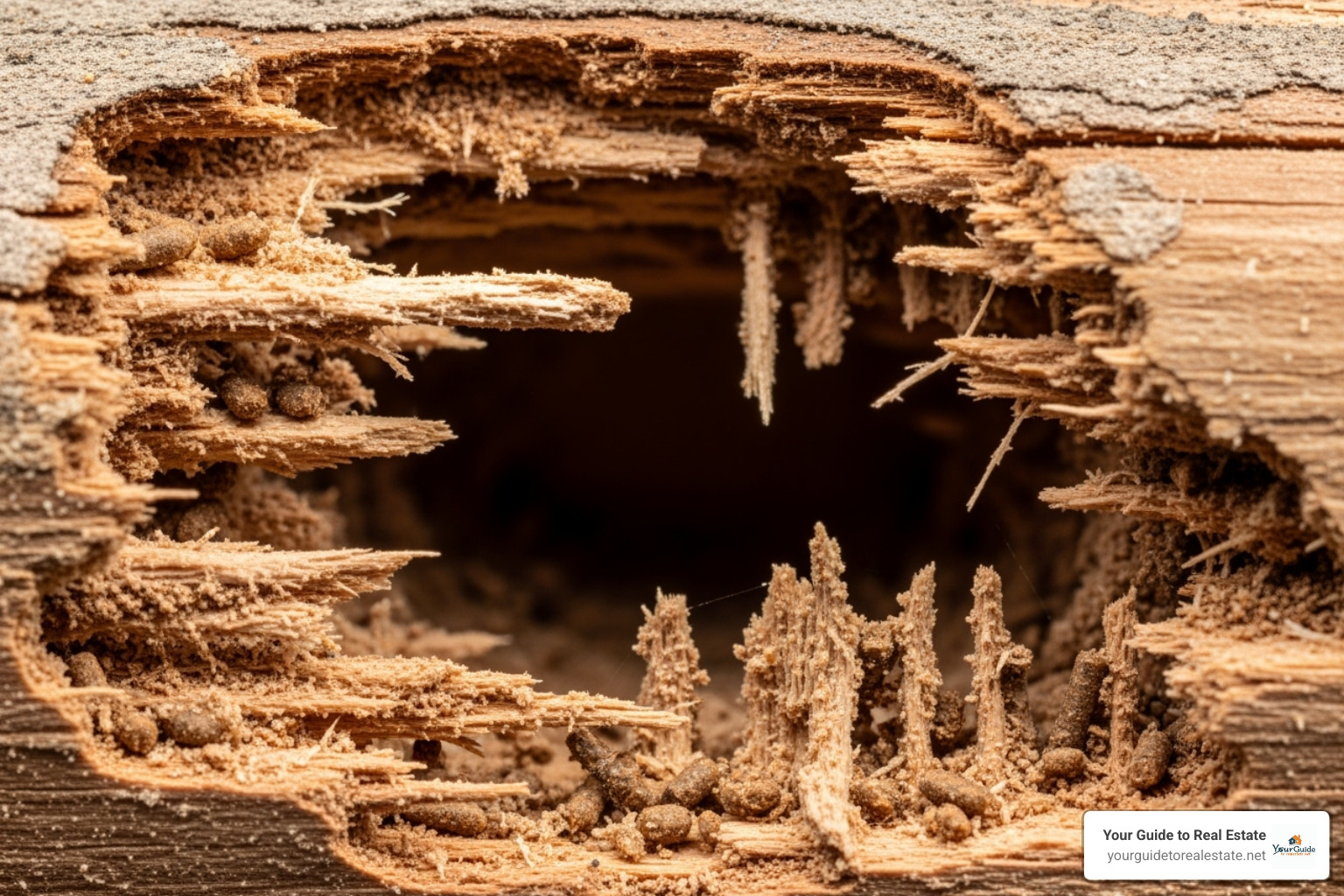
Mold is the unwelcome guest that follows water problems. It thrives in damp, dark places and can appear as black, green, or white patches on walls, ceilings, or in basements. Sometimes you’ll smell it before you see it – that persistent musty odor is often your first clue.
The health risks from mold are real, especially for people with allergies or respiratory issues. Professional mold remediation can be expensive, and in severe cases, you might need to replace drywall, insulation, or even structural elements.
3. Outdated and Hazardous Materials
Some of the most serious things that fail a home inspection involve materials that were once considered safe but are now known to be health hazards. This is especially true in older homes built before safety standards were updated.
Asbestos was once called the “magic mineral” because it was fireproof, didn’t conduct electricity, and was incredibly durable. It was used in everything from insulation to floor tiles to paint until the late 1970s. The problem? When asbestos fibers become airborne, they can cause serious lung diseases including cancer.
Since more than half of American homes were built before 1980, there’s a good chance older homes contain asbestos somewhere. The good news is that undisturbed asbestos generally isn’t dangerous – it becomes a problem when you start renovating and those fibers get into the air.
Lead paint tells a similar story. Before 1978, lead was commonly added to paint to make it more durable and vibrant. Lead poisoning is especially dangerous for children, affecting brain development and causing learning disabilities. Inspectors will flag homes built before 1978 as likely containing lead paint, particularly on windows, doors, and trim where paint chips and dust are more likely.
Radon gas is the invisible threat that many homeowners don’t even know exists. This colorless, odorless radioactive gas seeps up from the ground through foundation cracks. It’s actually the second leading cause of lung cancer after smoking, but it’s completely preventable with proper testing and mitigation.
The danger level for radon is 4 pCi/L (picocuries per liter) or higher. Many inspectors offer radon testing as an additional service, or they’ll recommend you hire a specialist. It’s a small investment that could literally save your life.
While standard home inspections don’t include specialized testing for these hazardous materials, experienced inspectors know what to look for and will recommend professional testing when there’s reason for concern.
Information on asbestos in older homes; Home buying process for FHA loans.
The Inspection Report: What It Means for Buyers and Sellers
An inspection report isn’t the end of the story; it’s the beginning of a conversation. Here’s how to interpret the findings and what to do next. When you receive a report detailing things that fail a home inspection, it’s important not to panic – think of it as your roadmap to making smart decisions.
Understanding the Findings: Minor Fix vs. Major Deal-Breaker
A comprehensive inspection report can sometimes feel overwhelming, listing dozens of items that might make your heart skip a beat. The key is learning to separate the wheat from the chaff – distinguishing between items that are simply part of homeownership and those that could drain your bank account.
Minor fixes are your everyday maintenance items that every home has. These include cosmetic issues like chipped paint, a loose doorknob, or worn carpet that’s seen better days. You’ll also see small maintenance items such as a leaky faucet washer, a burnt-out light bulb, or caulk that needs refreshing around the bathtub. Even minor electrical fixes like a single outlet with an open ground fall into this category. While these might be annoying, they generally don’t threaten your safety or the home’s structural integrity.
Here’s the reality check: buyers might use these minor items for negotiation leverage, but sellers often consider requests under $100 or easily DIY-able fixes as “unreasonable requests.” It’s like asking someone to replace all the batteries in the smoke detectors before you move in – technically valid, but not exactly a deal-maker or breaker.
Major deal-breakers are the things that fail a home inspection that demand immediate attention and respect. These fall into three critical categories: safety hazards (exposed wiring, non-functional smoke detectors, active gas leaks), structural problems (significant foundation cracks, compromised floor joists, severe wood rot), and major system failures (leaking roof, non-functional HVAC system, extensive plumbing leaks, outdated electrical panels that could burn your house down).
These issues are costly, can pose immediate risks to you and your family, and are typically considered “reasonable requests” for repair or credit. As a buyer, understanding this distinction helps you prioritize your requests and avoid looking like you’re nitpicking. As a seller, it helps you anticipate what a buyer will likely demand and prepare accordingly.
What does contingent mean in real estate?.
Navigating Negotiations After the Inspection
Once the inspection report details the things that fail a home inspection, both buyers and sellers enter what can feel like a high-stakes poker game. This is where the true value of that inspection report comes into play – it’s your negotiating playbook.
Buyers have several cards to play. You can request repairs directly, asking the seller to fix specific issues found in the report. This works best for major safety or structural concerns where you want the work done right. Alternatively, you might ask for a credit at closing to cover estimated repair costs. This approach gives you control over choosing contractors and timing the work after you move in.
For very significant or numerous issues, you can negotiate a price reduction that reflects the true condition of the home. And if the inspection reveals overwhelming problems or the seller digs in their heels, you have the nuclear option – you can walk away entirely. Thanks to inspection contingencies, about 15% of sales fall through when buyers decide the problems are too much to handle.
Sellers aren’t powerless in this dance either. You can make the repairs yourself, getting at least three quotes from reputable contractors and keeping documentation of all work performed. Many sellers prefer to offer a credit at closing, which can be easier than coordinating repairs while trying to sell. You might lower the price to account for the defects, essentially letting the market absorb the repair costs.
For older systems like HVAC, offering a home warranty can be a smart middle ground instead of replacing an entire system. In competitive markets, some sellers choose to sell as-is with minimal concessions, banking on buyer demand to carry the day.
The reality is that 83% of sellers make some form of concession to close a deal. The goal isn’t to win every point – it’s finding middle ground that works for both parties and keeps the deal moving forward.
Seller strategies for repairs; Appraisal Contingency guide.
Proactive Steps for Sellers: The Pre-Listing Inspection
For sellers, the best defense against things that fail a home inspection is a good offense. Getting a pre-listing inspection is like having a dress rehearsal before opening night – it lets you work out the kinks when the stakes are lower.
Identifying issues early gives you the upper hand. You’ll find potential problems before a buyer’s inspector does, eliminating those heart-stopping moments when you’re already emotionally invested in a sale. This advance knowledge lets you control the narrative and the repair process.
Addressing repairs strategically becomes much easier when you’re not under contract pressure. You can take time to get multiple quotes, choose quality contractors, or even tackle some fixes yourself if you’re handy. Fixing major issues proactively makes your home more attractive and removes ammunition from buyer negotiations.
Proper disclosure is non-negotiable – any issues found in a pre-inspection must be disclosed to potential buyers. But here’s the thing: transparency actually builds trust and can protect you from future liability. Buyers appreciate honesty, and it shows you’re a serious seller who cares about the property.
Setting a realistic price becomes much more accurate when you know your home’s true condition. You can factor in necessary repairs or highlight recent improvements, leading to a smoother, faster sale with fewer surprises.
By taking these proactive steps, sellers transform potential deal-breakers into manageable tasks, ensuring a smoother transaction and often a better final outcome.
Choosing Your Inspector: A Buyer’s Guide to a Thorough Inspection
The quality of your inspection depends heavily on the professional you hire. Learn how to vet and select a qualified inspector who will protect your interests. When it comes to identifying things that fail a home inspection, your choice of inspector is paramount.

Vetting Your Inspector: Beyond the Agent’s Referral
Your real estate agent will probably hand you a list of recommended inspectors. While these referrals can be helpful, don’t stop there. Here’s why: an inspector who wants to stay on an agent’s good side might be tempted to downplay problems. That’s not what you need when thousands of dollars are on the line.
Think of your inspector as your detective – someone whose job is to uncover every potential issue, not make everyone feel good about the deal. Independent research is your best friend here. Start by searching online for inspectors in your area, reading reviews from actual homebuyers, and checking their credentials.
Certifications matter more than you might think. Look for inspectors certified by respected organizations like the American Society of Home Inspectors (ASHI) or the International Association of Certified Home Inspectors (InterNACHI). Here’s a sobering fact: nearly one-third of states have no certification or training requirements for home inspectors at all. ASHI requires applicants to inspect at least 250 houses before earning membership – that’s the kind of experience you want on your side.
Ask to see a sample report before you hire anyone. A good inspector will gladly share examples of their work. Their report should be detailed, easy to understand, and include photos. If they hesitate or their sample looks like a basic checklist, keep looking.
Time is a tell-tale sign of thoroughness. A comprehensive inspection of an average-sized home should take three to four hours minimum. If someone promises to zip through your inspection in an hour, they’re probably missing things that fail a home inspection that could cost you later.
Here’s a crucial red flag to avoid: never hire an inspector who also offers repair services. It’s like asking the fox to guard the henhouse. You want someone with zero financial incentive to find problems they can later fix for you.
How to choose the right real estate agent.
Understanding Inspection Limitations and Your Protections
Even the most thorough inspector has limitations. Understanding these upfront helps you set realistic expectations and protect yourself from surprises.
Home inspections are primarily visual assessments. Your inspector won’t tear into walls, dismantle appliances, or move heavy furniture to peek underneath. This non-invasive approach means hidden problems behind drywall or under floorboards might not surface until later. It’s not that your inspector is being lazy – they’re following industry standards that protect both you and the property.
Some things simply aren’t covered in a standard inspection. Don’t expect your inspector to test for asbestos, lead paint, or mold – though they’ll certainly point out conditions that suggest these might be present. Underground pipes, septic systems, private wells, and that charming shed in the backyard typically require separate specialists.
Here’s something that surprises many buyers: inspectors don’t check for code compliance. Your 1960s home might have been built perfectly to code back then, but today’s standards are different. This doesn’t necessarily mean anything is unsafe, but it could mean expensive upgrades if you’re planning renovations.
Errors and Omissions insurance is your safety net. Since even the best inspectors can miss things, make sure yours carries E&O coverage. Without it, their liability is often capped at the cost of the inspection itself – usually a few hundred dollars. That won’t help much if they miss a $10,000 roof problem. Always confirm this coverage before you hire anyone.
The reality is that no inspection will catch every single issue. But choosing the right inspector dramatically improves your odds of identifying the major things that fail a home inspection before they become your expensive problems.
The importance of E&O coverage.
Frequently Asked Questions About Things That Fail a Home Inspection
Can a house actually “fail” a home inspection?
Here’s something that surprises many first-time buyers: no, a home inspection is not a pass/fail test. Think of it more like getting a comprehensive physical at the doctor’s office – you’re not trying to “pass” the exam, you’re gathering information about your health.
A home inspection is an objective assessment that produces a detailed report about the property’s condition. This report will document everything from minor maintenance needs (like a loose doorknob) to major defects (like a cracked foundation). The goal isn’t to determine whether you should or shouldn’t buy the house – that decision is entirely yours.
Instead, the inspection empowers you with knowledge. When you understand exactly what things that fail a home inspection are present in your potential home, you can make an informed decision about whether to proceed, negotiate repairs, or walk away. It’s your roadmap, not your report card.
What are the most expensive things that fail a home inspection?
When we talk about the things that fail a home inspection that really hit your wallet hard, we’re looking at the home’s core systems and structural elements. These are the big-ticket items that can turn your dream home into a financial nightmare if you’re not prepared.
Foundation and structural problems top the list of costly repairs. We’re talking about issues that can range from $2,175 for minor foundation work to well over $10,000 for major structural repairs. In extreme cases, extensive foundation problems can cost $100,000 or more to fix properly.
Complete roof replacement is another major expense, often running several thousand dollars depending on your home’s size and the materials used. When you consider that asphalt shingle roofs last 20-22 years, an aging roof can become a significant negotiation point.
Full-house electrical rewiring averages around $16,000 nationally, making it one of the most expensive system upgrades you might face. This is especially common in older homes with outdated or dangerous wiring that poses fire hazards.
Plumbing system replacement can cost anywhere from $1,500 to $15,000, depending on the extent of the work needed. Homes with outdated materials like polybutylene pipes often require complete repiping.
Finally, HVAC system replacement typically runs between $5,000 and $12,000. When an aging system fails completely, replacement becomes unavoidable for your comfort and safety.
As a buyer, what repairs should I always ask for?
Smart buyers focus their repair requests on issues that impact three critical areas: safety, structural integrity, and essential system function. This strategic approach helps you avoid looking unreasonable while protecting your investment.
Structural issues should always be at the top of your list. This includes significant foundation cracks, compromised floor joists, or any problems that affect the home’s stability. These aren’t just expensive – they can be dangerous and will likely get worse over time.
Active roof leaks are non-negotiable repair requests. Water damage spreads quickly and can lead to mold, rot, and extensive interior damage. Even a small leak can cause thousands in damage if left untreated.
Electrical hazards deserve immediate attention, especially outdated panels like Federal Pacific or Zinsco brands, faulty wiring, or any situation that poses fire risks. Insurance companies may refuse coverage for homes with certain electrical problems, making these repairs essential.
Non-functional HVAC systems are reasonable requests, particularly if the system doesn’t heat or cool properly, has safety issues like gas leaks, or shows signs of dangerous problems like cracked heat exchangers.
Significant plumbing problems – such as active leaks, widespread pipe failures, or non-functional water heaters – are also fair game for repair requests.
What you should avoid requesting? Cosmetic issues, minor maintenance items under $100, or easily DIY-able fixes. These types of requests can make sellers less willing to negotiate on the issues that really matter. You want to focus on the things that fail a home inspection that pose real risks to your safety, comfort, and wallet.
Conclusion: Using Inspection Insights to Your Advantage
You’ve now got the inside scoop on the most common things that fail a home inspection – and that knowledge puts you firmly in the driver’s seat. What once might have felt like a nerve-wracking mystery is now your secret weapon for navigating real estate with confidence.
For buyers, think of this information as your negotiation playbook. When you know that foundation repairs average between $2,175 and $7,823, or that electrical rewiring can cost around $16,000, you’re not caught off guard by inspection findings. Instead, you can make informed decisions about whether to request repairs, negotiate credits, or adjust your offer price. You’ll also have a clear roadmap for future maintenance priorities, helping you budget and plan for your home’s long-term care.
For sellers, this knowledge is your opportunity to get ahead of the game. By understanding what inspectors commonly flag, you can tackle issues proactively through a pre-listing inspection. Fixing that leaky roof or updating that outdated electrical panel before listing can prevent last-minute negotiations that derail deals. Even if you choose not to make repairs, you can price your home appropriately and prepare for likely buyer requests.
The real magic happens when you stop seeing inspection reports as lists of problems and start viewing them as valuable information. That foundation crack isn’t necessarily a deal-killer – it’s a negotiating point. Those outdated electrical outlets aren’t the end of the world – they’re items you can address strategically.
86% of inspections find at least one issue. You’re not looking for perfection; you’re looking for transparency and fair dealing. Whether you’re the buyer using findings to negotiate a better deal or the seller addressing concerns upfront, knowledge truly is power in real estate.
At Your Guide to Real Estate, we believe that informed decisions are smart decisions. By understanding these common inspection failures, you’re equipped to turn what could be stressful surprises into manageable steps toward your real estate goals.
Find the best real estate agent for your needs.