Why Commercial Remodeling is Essential for Modern Businesses
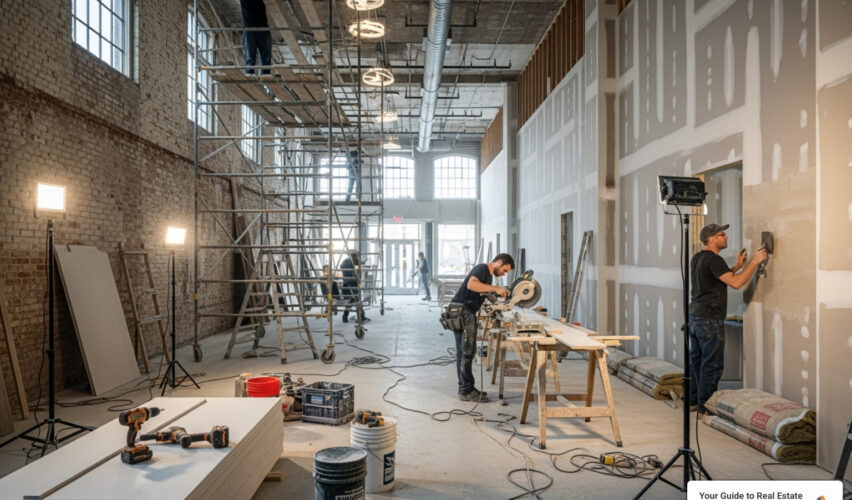
Commercial remodeling involves modifying the interior and exterior structure of existing business spaces to meet new needs, improve functionality, and improve appearance. Unlike simple renovations that focus on repairs and updates, commercial remodeling typically includes major structural changes that transform the layout, purpose, or overall design of a space.
Key aspects of commercial remodeling include:
- Definition: Major alterations to commercial buildings including offices, retail stores, restaurants, and industrial facilities
- Timeline: Typically 3-6 months for construction, with 1-3 months for planning and design
- Cost: Generally ranges from $100-$200 per square foot
- Benefits: Improved space utilization, improved aesthetics, better energy efficiency, rebranding opportunities, and increased property value
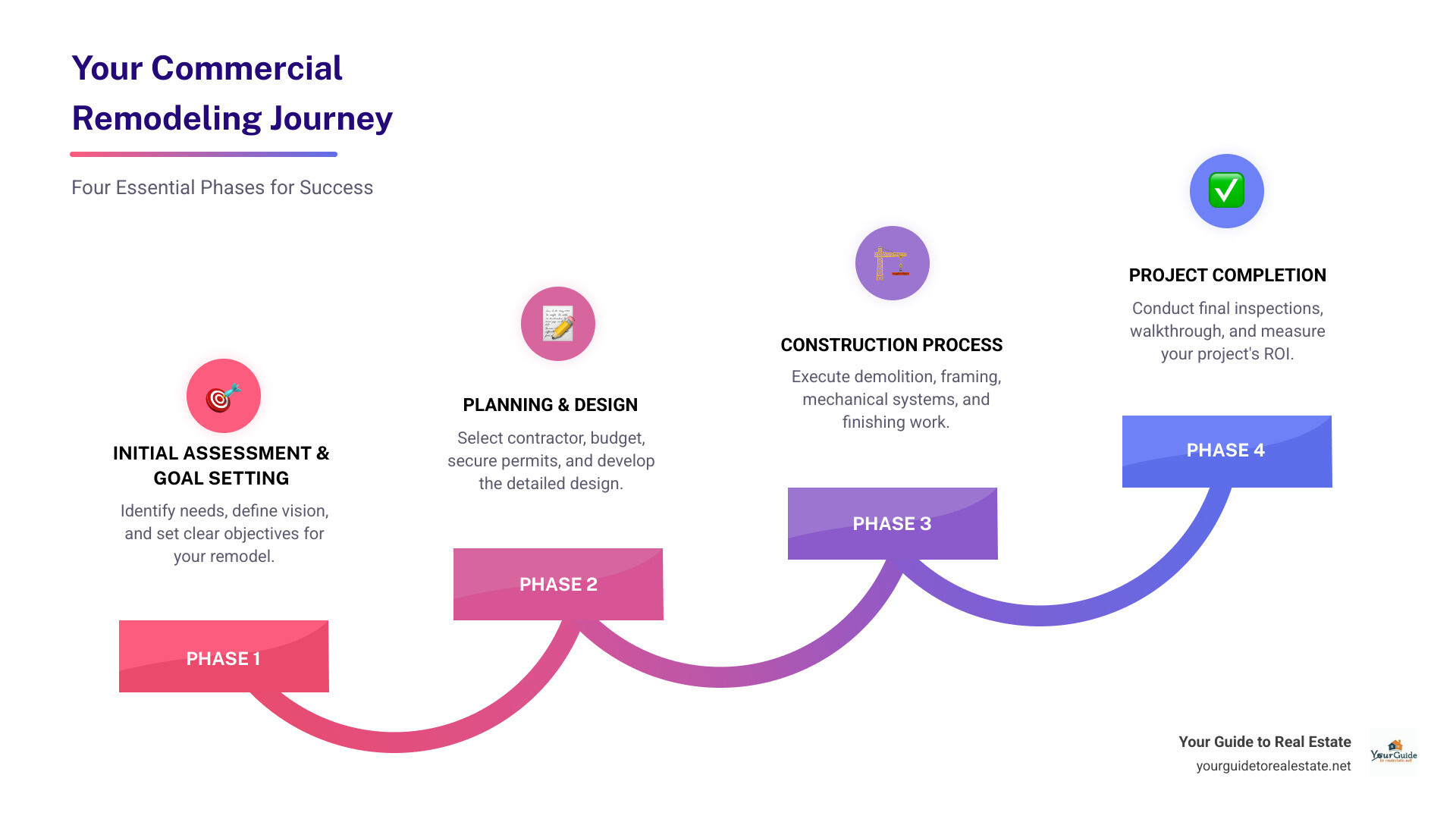
- Process: Five main phases – planning, design, permitting, construction, and project completion
Many business owners only undertake a major remodel once or twice in their lifetime, making proper planning crucial. As one industry expert notes, “When the remodel begins, many property owners don’t know what to expect. Being informed can help make a remodel or upgrade less stressful and more worthwhile.”
Commercial buildings account for 20% of total energy usage in the United States, making energy-efficient remodeling not just beneficial for businesses but important for environmental impact. Whether you’re updating an outdated office layout, expanding retail space, or improving restaurant operations, a well-planned commercial remodel can transform your business space and boost your bottom line.
The process involves careful coordination between design teams, contractors, and regulatory requirements. From obtaining proper permits to managing construction while keeping your business operational, successful commercial remodeling requires strategic planning and expert guidance.
Related content about commercial remodeling:
Phase 1: Initial Assessment and Goal Setting
Think of commercial remodeling like giving your business space a complete makeover – but before you can transform it into something amazing, you need to know exactly what you’re working with and where you want to go. This first phase is all about taking an honest look at your current space and dreaming up what it could become.
Signs a Remodel is Needed
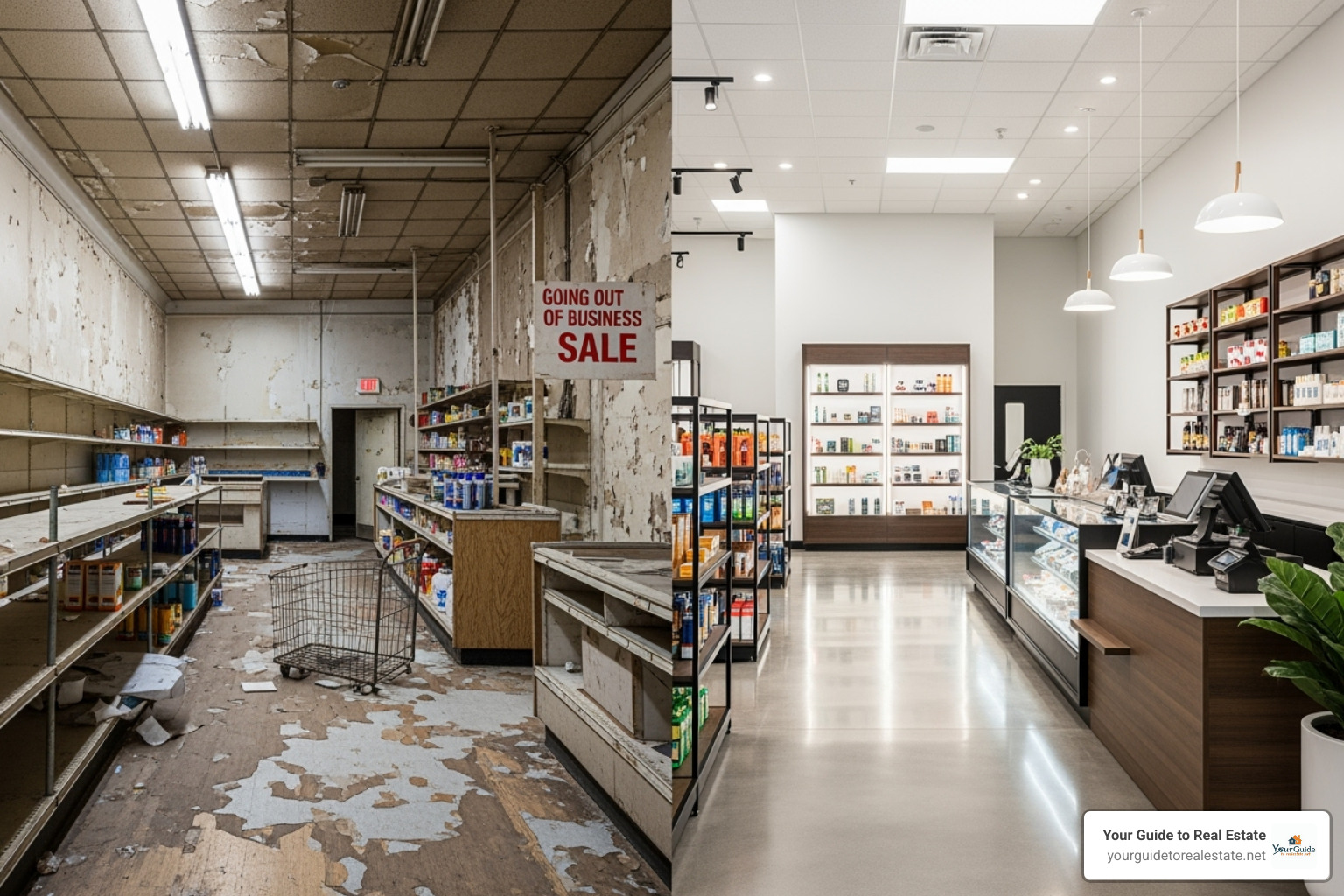
Sometimes your building practically shouts that it needs help. Maybe the carpet has mysterious stains that no amount of cleaning can remove, or your office feels like it’s stuck in the 1990s. Other times, the signs are more subtle – like noticing that customers seem confused by your store layout, or your employees are constantly bumping into each other in cramped spaces.
Worn fixtures are often the first obvious sign. When your countertops are chipped, paint is peeling, or restroom fixtures look tired and dated, these cosmetic issues start affecting how customers and employees feel about your space. First impressions matter, and a worn-out environment doesn’t exactly scream “successful business.”
Outdated layouts can be even more problematic than cosmetic issues. If your office still has those gray cubicles from decades past when everyone now expects collaborative open spaces, you’re not just behind on trends – you might be hurting productivity. The same goes for retail spaces where customers can’t easily find what they’re looking for, or restaurants where servers are constantly weaving through poorly planned dining areas.
Poor traffic flow creates daily frustrations that add up over time. When your staff spends extra time navigating awkward layouts, or customers feel confused and leave without buying, that’s money walking out the door. These inefficiency problems often develop gradually as businesses grow and change, but the original space stays the same.
Safety concerns shouldn’t be ignored either. Older buildings often don’t meet modern safety standards, and a remodel gives you the perfect opportunity to bring everything up to code. This protects both your people and your business from potential liability. For detailed information on bringing your space up to current standards, check out Compliance with modern safety standards.
Sometimes the need for change isn’t about problems – it’s about growth and opportunity. If your business has evolved but your space hasn’t kept up, a commercial remodeling project can align your physical environment with your current goals. For insights on how strategic improvements can drive business success, explore More info about Real Estate Business Growth.
Specific Considerations by Property Type
Different types of businesses face unique challenges, so the signs that you need a remodel will vary depending on what kind of space you operate.
Office spaces typically need attention when the workspace no longer supports how your team actually works. This might mean worn carpeting and outdated paint that makes the environment feel tired, or cramped conditions that are causing tension among staff. Many offices are also making the shift from traditional cubicles to more collaborative layouts that reflect modern work culture.
Retail stores have their own set of warning signs. If your parking lot is confusing or your store layout doesn’t guide customers naturally through your merchandise, you’re probably losing sales. Shabby dressing rooms or displays that don’t effectively showcase your products can make even great merchandise look unappealing.
Restaurants face particularly complex challenges because they need to balance staff efficiency with customer comfort. An inefficient kitchen layout that slows down service, or dining areas with uncomfortable temperatures or worn furniture, can directly impact your bottom line. The restaurant business is also highly competitive, so staying current with design trends often means staying relevant to customers.
Industrial sites have different concerns entirely. When a new tenant from a different industry moves in, the space often needs significant customization. Inefficient equipment placement or facilities that can’t keep up with production demands are clear signals that it’s time for changes.
Defining Your Project’s Vision
Once you’ve identified the need for change, it’s time to get excited about the possibilities. This is where commercial remodeling becomes more than just fixing problems – it becomes about creating opportunities.
A rebranding opportunity through remodeling can be incredibly powerful. If your company has evolved, grown, or shifted focus, your physical space should tell that story. The environment you create sends messages to both customers and employees about who you are and where you’re headed.
Improving sustainability isn’t just good for the planet – it’s good for your wallet too. Since commercial buildings use so much energy, incorporating energy-efficient designs and green materials during your remodel can lead to significant long-term savings. Plus, it shows customers and employees that you’re forward-thinking and responsible.
Enhancing customer experience should be a top priority for any customer-facing business. The right lighting, layout, and atmosphere can influence how long people stay, how much they spend, and whether they come back. It’s amazing how much a well-designed space can do to create positive feelings and memories.
Boosting employee productivity might be the most important goal of all. When your team feels comfortable and inspired by their workspace, everything else gets easier. Better lighting reduces eye strain, improved layouts encourage collaboration, and modern amenities show your staff that you value their comfort and wellbeing.
Setting clear, specific goals upfront will guide every decision you make throughout your commercial remodeling project. Think of this vision as your North Star – it’ll keep you focused when you’re faced with countless choices about materials, layouts, and finishes.
For more insights on how strategic property improvements can improve long-term value and success, consider exploring More info about Property Investment.
Phase 2: The Ultimate Commercial Remodeling Planning Checklist
With your vision clearly defined, we now enter the heart of your commercial remodeling journey – the planning phase. This is where your dreams start taking concrete shape, and those exciting ideas transform into detailed blueprints and actionable steps. Think of this phase as building the foundation for everything that follows. A well-executed planning phase typically takes 1-3 months, and trust me, every day invested here will save you weeks of headaches later.
| Feature | Design-Build Approach | Traditional General Contractor Approach |
|---|---|---|
| Process | Single point of contact for both design and construction. | Separate contracts for design (architect) and construction (contractor). |
| Collaboration | Integrated team working together from conception. | Architect designs, then contractor bids and builds based on those plans. |
| Timeline | Often faster due to streamlined communication. | Can be longer due to sequential phases and potential communication gaps. |
| Cost Control | Greater cost certainty earlier in the process. | Bids may vary widely; changes during construction can be costly. |
| Accountability | One entity is responsible for the entire project. | Responsibility is split between designer and builder. |
| Flexibility | Easier to make changes during the design phase. | Changes during construction often require costly change orders. |
Key Considerations for Your Commercial Remodeling Contractor
Choosing your commercial remodeling contractor is like choosing a business partner – you’ll be working closely together for months, and their expertise will directly impact your project’s success. The decision between a Design-Build team and a Traditional General Contractor approach can significantly influence your entire experience.
The Design-Build approach offers a single point of contact who handles both design and construction. This streamlined process often moves faster because everyone’s on the same team from day one. When changes need to happen (and they always do), there’s no finger-pointing between the architect and contractor – they’re already collaborating.
The Traditional General Contractor approach separates design and construction into distinct phases. While this can sometimes take longer due to the handoff between teams, some property owners prefer having separate contracts and the ability to choose their architect independently.
Vetting professionals is absolutely crucial, regardless of which approach you choose. Start by checking licenses – every legitimate contractor should be properly licensed for commercial work. You can easily check a contractor’s license status online in most states to ensure they’re current and compliant.
Verifying insurance comes next, including both general liability and workers’ compensation coverage. This protects you from potential accidents or damage during construction. Don’t just take their word for it – ask to see current certificates.
Reviewing portfolios gives you insight into their style and capabilities. Look for projects similar to yours in scope and complexity. A contractor who specializes in office buildings might not be the best choice for your restaurant renovation, and vice versa.
The face-to-face meeting is where you’ll get a real sense of whether this team is right for you. Do they listen to your concerns? Do they ask thoughtful questions about your business needs? You’ll be working with these people for months – good communication and mutual respect are essential.
Budgeting, Costs, and ROI
Let’s talk money – the part that keeps most business owners up at night! Creating a realistic budget for your commercial remodeling project requires understanding the many factors that influence costs. The typical cost per square foot ranges from $100-$200, but this broad range reflects the huge variety in project complexity and location.
Location plays a bigger role than many people realize. Urban areas often have higher labor costs but better material availability, while rural locations might have lower labor rates but higher transportation costs for materials. Complexity is another major factor – updating paint and flooring costs far less than relocating walls or upgrading electrical systems.
Your schedule also impacts the bottom line. Rush jobs typically cost 15-20% more due to overtime labor and expedited material orders. If you can be flexible with timing, you might save significantly.
Budgeting for contingencies is absolutely essential – I recommend setting aside 15-20% of your total budget for unexpected findies. During demolition, contractors often uncover hidden issues like outdated wiring, plumbing problems, or structural damage that wasn’t visible during initial assessments.
Understanding the potential return on investment helps justify the expense. A well-planned remodel can increase property values, reduce operating costs through energy efficiency, and boost revenue through improved customer experience. For deeper insights into how improvements affect property values, explore More info about Real Estate Valuation.
Navigating Permits and Regulations
Permits might seem like bureaucratic red tape, but they’re actually your safety net. The role of building permits is to ensure your project meets current safety codes and zoning requirements. Skipping permits can lead to fines, forced demolition, or serious problems when you try to sell the property later.
Local and state standards vary significantly from one area to another. What’s acceptable in one city might violate codes in the neighboring town. Your contractor should be familiar with local requirements, but it’s worth checking with your municipality directly. Some cities, like Round Rock, Texas, provide detailed guidance on securing a permit for commercial remodeling through their planning departments.
ADA compliance deserves special attention. The Americans with Disabilities Act (ADA) standards require commercial spaces to be accessible to people with disabilities. This might involve widening doorways, installing ramps, or modifying restrooms. Planning for ADA compliance from the beginning prevents costly retrofits later and creates a welcoming environment for all customers.
The permitting process typically takes 3-5 weeks for straightforward projects, though complex remodels can take longer. Factor this time into your overall schedule, and remember that inspections happen throughout construction, not just at the end.
Design, Materials, and Sustainability
This is where your commercial remodeling project really comes alive! The design phase balances aesthetics with functionality, creating spaces that look great and work even better for your business needs.
Sustainable material choices have moved from nice-to-have to essential for modern businesses. Reclaimed materials offer unique character while reducing environmental impact – imagine changing old warehouse beams into striking architectural features! These choices often tell a story that customers and employees appreciate.
Energy efficiency deserves serious consideration, especially since commercial buildings consume 20% of total energy in the United States. Utilizing energy-efficient designs can dramatically reduce operating costs while improving comfort. LED lighting, high-performance windows, and smart HVAC systems pay for themselves through reduced utility bills.
Common materials vary by application, but quality should always be the priority. For flooring, commercial carpet tiles offer easy maintenance and replacement of worn sections, while polished concrete provides durability and modern appeal. Exterior siding options like brick and stone offer timeless durability, while stucco provides flexibility in color and texture.
The key is balancing upfront costs with long-term value. Higher-quality materials might cost more initially but often prove more economical over time through reduced maintenance and replacement needs. Your contractor can help you evaluate options that align with your budget and business goals.
Phase 3: Managing the Construction Process
Here we are at the exciting part! With plans finalized, permits secured, and materials selected, we dive into the most visible phase of commercial remodeling: construction. This is where your vision starts becoming reality, brick by brick, wall by wall.

Think of construction like building a house of cards, but in reverse. We start by carefully taking apart the old (that’s demolition), then build the foundation and framework (framing), install all the behind-the-scenes systems (mechanical installation), and finally add all the beautiful touches that make it shine (finishing).
Demolition kicks things off and typically takes about 15% of your total project time. Don’t let the sledgehammer fun fool you – this stage requires serious planning. We need to protect your building’s good bones while removing what no longer serves you. Plus, older buildings can hide surprises like asbestos or create dust issues that affect air quality.
Once the old is cleared away, framing begins. This is where your new space starts taking shape, and it’s honestly one of the most exciting phases to watch. About 20% of your total commercial remodeling timeline goes here. When framing wraps up, you might think “Wow, we’re almost done!” but here’s the thing – you’re really only about halfway there.
Next comes mechanical installation – the vital organs of your building. This is where we install or upgrade your electrical systems (new wiring, outlets, and lighting), plumbing (water lines, drains, and fixtures), and HVAC (heating, ventilation, and air conditioning). This phase happens before the walls get sealed up and takes roughly 25% of your construction time. It’s not glamorous, but it’s what makes your space comfortable and functional.
Finally, we reach finishing – the stage where your space gets its personality. We’re talking drywall, paint, flooring, cabinetry, and all those details that make you go “Yes, this is exactly what I imagined!” This takes about 20% of the total project. During finishing, we pay special attention to details like using low VOC paints to keep your indoor air quality healthy.
How to Minimize Business Disruption
Let’s be honest – nobody wants their business turned upside down during a remodel. The good news? With smart planning, we can keep disruption to a minimum and your cash flow flowing.
Phased construction is often your best friend here. Instead of shutting down everything at once, we can tackle your remodel section by section. Think of it like renovating one room at a time in your house – you can still live (and work) in the rest of the space. This approach lets different parts of your business keep running while others are getting their makeover.
Sometimes working after hours or weekends makes the most sense, especially for noise-heavy tasks or when you simply can’t afford any downtime during peak business hours. Yes, it typically costs more in labor, but the ability to serve customers without interruption often makes it worthwhile.
Clear communication becomes absolutely crucial during construction. Your staff needs to know what’s happening when, your customers should understand any temporary inconveniences, and your suppliers need updates on access changes. Nobody likes surprises, especially when they’re trying to do business with you.
We also focus heavily on managing noise and dust because let’s face it – construction is messy and loud. We use temporary barriers, soundproofing materials, and advanced dust control systems. We’re also mindful of local noise rules (like New Haven’s strict construction noise ordinances) that might affect when and how we can work.
For some areas, temporary relocations might be necessary. This could mean moving staff to another part of your building or setting up temporary operations off-site. It sounds disruptive, but it actually allows construction to move faster without constantly working around daily operations.
Addressing Unexpected Challenges
Even the best-laid plans can hit snags, and commercial remodeling projects are no exception. The key is expecting the unexpected and having strategies ready to tackle whatever comes up.
Once demolition starts, we often uncover hidden structural damage like water damage, rot, or structural issues that weren’t visible before. It’s like opening a wall and finding out the previous contractor took some creative shortcuts. These findies can expand your project scope and budget.
Code violations are another common surprise. What was acceptable when your building was first constructed might not meet today’s standards. When we find outdated electrical work or structural elements that don’t comply with current codes, we need to bring everything up to standard.
Material delays can throw a wrench in even the best timeline. Supply chain hiccups, especially for custom items like special elevators or windows, can push back your completion date. The difference between in-stock and special-order materials can be weeks or even months.
Then there’s scope creep – when additional work gets added after the project starts. Sometimes it’s because you find new needs once construction begins, other times it’s because you see possibilities you hadn’t considered before. While changes happen, managing them carefully with proper change orders keeps everyone on the same page.
Our approach to handling these challenges centers on contingency planning (that 10-20% buffer in your budget we talked about earlier), open communication with your contractor about issues as they arise, flexibility to make quick decisions when needed, and expert problem-solving from experienced contractors who’ve seen it all before.
The construction phase can feel overwhelming, but remember – every challenge overcome gets you closer to a space that truly serves your business goals. With the right team and realistic expectations, this phase transforms from stressful to exciting as you watch your vision come to life.
Phase 4: Project Completion and Final Steps
The moment you’ve been waiting for has finally arrived! After months of planning, construction noise, and dust, your commercial remodeling project is nearly complete. This final phase is like the grand finale of a symphony – everything comes together in harmony. While it might feel like you’re crossing the finish line, there are still some important steps to ensure your investment delivers the results you envisioned.
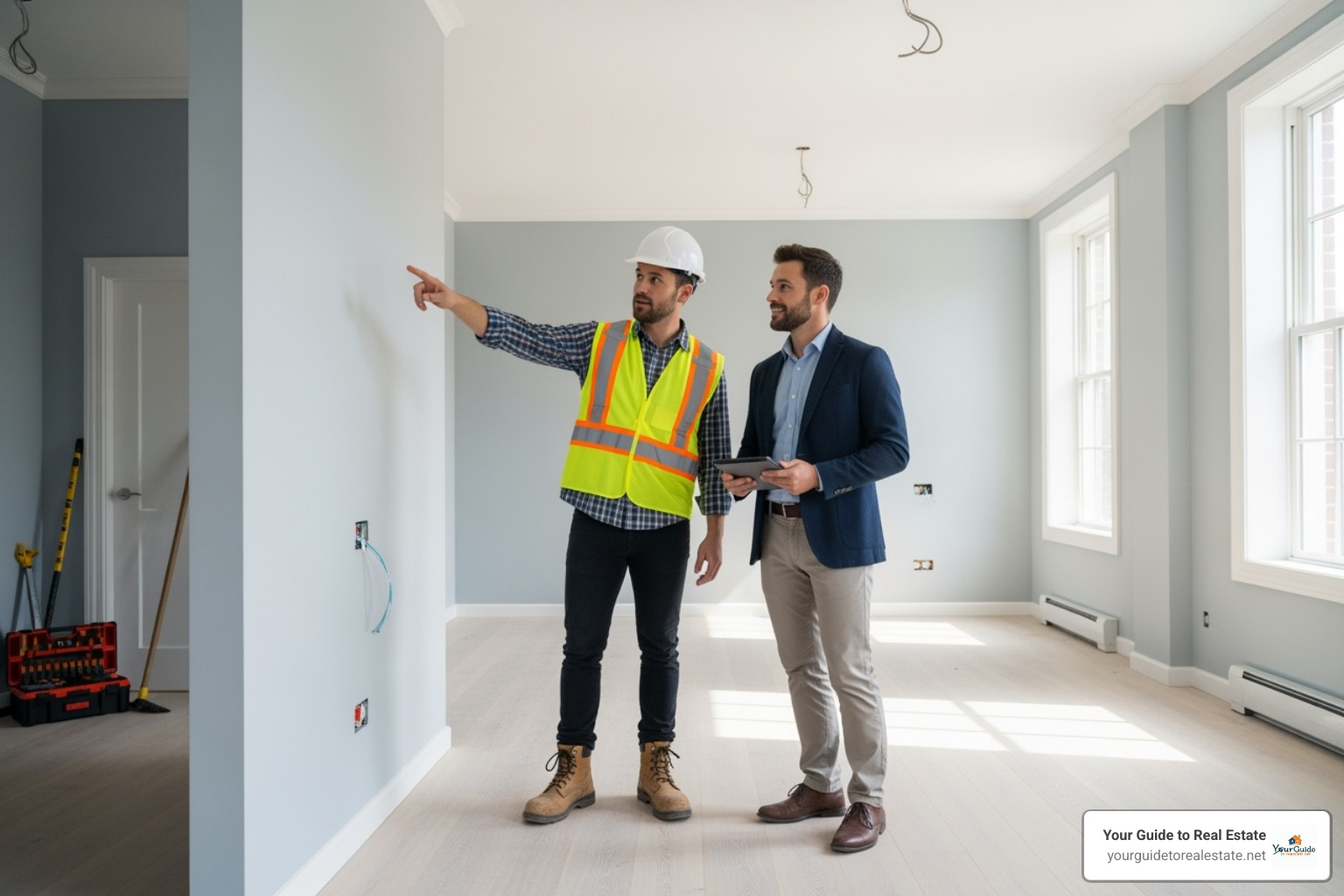
Final Inspections, Punch List, and Project Closeout
Think of this phase as your quality control checkpoint. Just like a chef tastes their dish before serving it to guests, we need to make sure every detail of your commercial remodeling project meets the highest standards.
Final inspections are your safety net. Local building authorities will visit your newly remodeled space to verify that everything is safe, functional, and up to code. These aren’t just bureaucratic problems – they’re protecting you, your employees, and your customers. Your contractor should handle scheduling these inspections, but it’s good to know they’re happening.
The punch list walkthrough is where you become the detective. You and your contractor will examine every corner, testing light switches, checking paint touch-ups, and noting anything that still needs attention. Don’t be shy about pointing out issues – this is your chance to get everything perfect. A reputable contractor will appreciate your thoroughness and work diligently to address every item on the list.
Project closeout is the official handoff moment. Once all inspections pass and the punch list is complete, you’ll receive important documents like warranties, operating manuals for new equipment, and maintenance schedules. These might seem like paperwork, but they’re actually valuable tools for protecting your investment.
Final payments happen after everything is satisfactorily completed. This structure protects you and ensures your contractor remains motivated to finish every last detail perfectly.
Understanding the ROI of your commercial remodeling project
Now for the exciting part – seeing your commercial remodeling investment pay off! A well-executed remodel isn’t just about having a prettier space; it’s about measurable business improvements that impact your bottom line.
Increased revenue often happens faster than you might expect. Retail stores with refreshed layouts that guide customer flow and showcase products effectively typically see immediate sales bumps. Restaurants with inviting new dining spaces find customers staying longer and returning more frequently. The psychology of space is powerful – people simply feel better and spend more in well-designed environments.
Higher property value is perhaps the most tangible return on your investment. Modern buyers and investors actively seek properties with energy-efficient systems, contemporary aesthetics, and functional layouts. Your remodel positions your property ahead of outdated competitors in the market.
Energy savings start showing up in your monthly utility bills almost immediately. Those LED lights, efficient HVAC systems, and improved insulation translate into real dollars saved every month. Over time, these savings can be substantial.
Improved brand perception might be harder to quantify, but it’s equally valuable. A professional, modern space tells customers and employees that you care about quality and are invested in the future. This perception helps attract better talent, impresses clients, and builds customer loyalty.
Boosted employee productivity is the gift that keeps giving. When your team works in a comfortable, efficient environment, their satisfaction and output naturally improve. Happy employees provide better customer service, take fewer sick days, and stay with your company longer.
Measuring this success involves tracking key metrics before and after your remodel. Compare sales figures, customer feedback scores, energy bills, and employee satisfaction surveys. For deeper insights into how property improvements improve value, explore More info about Valuation and Market Analysis in Real Estate.
Post-Remodel Operations
Congratulations – you’ve officially entered the “new space” phase of your business journey! But like moving into a new home, there are some important steps to ensure you get the most out of your investment.
Staff training on new systems is crucial if your remodel included updated technology or equipment. Whether it’s new kitchen appliances in your restaurant, modern point-of-sale systems in your retail store, or smart office controls in your workspace, make sure your team feels confident using everything. A little training upfront prevents frustration and maximizes the benefits of your new features.
Maintenance planning might not sound exciting, but it’s essential for protecting your investment. Create a schedule for maintaining new finishes, systems, and equipment. Understanding the care requirements for your new materials and scheduling regular HVAC, plumbing, and electrical check-ups will keep everything looking and working great for years to come.
Marketing the new space is your chance to celebrate! Don’t keep your beautiful change a secret. Plan a grand reopening event, update your website photos, and use social media to showcase your refreshed environment. Highlight improvements that benefit customers – better accessibility, more comfortable seating, or eco-friendly features. Your remodel is a newsworthy story that can attract new customers and re-engage existing ones.
Gathering customer feedback after a few weeks of operation provides valuable insights. Are the new layouts working as intended? Do customers notice and appreciate the improvements? Are there any unexpected issues? This feedback helps you fine-tune operations and provides useful information for any future improvements.
Your commercial remodeling project represents more than just a physical change – it’s an investment in your business’s future success and growth.
Conclusion
Reaching the end of your commercial remodeling journey is incredibly rewarding. What started as worn fixtures and outdated layouts has transformed into a space that truly reflects your business vision and serves your needs for years to come.
Throughout this comprehensive guide, we’ve walked through every step together – from recognizing those telltale signs that it’s time for change, to celebrating your newly transformed space. The four phases we explored create a roadmap that turns what might seem overwhelming into manageable, strategic steps.
The importance of planning cannot be overstated. Whether you’re updating a cramped office, refreshing a tired retail space, or modernizing a restaurant kitchen, taking time upfront to assess your needs and set clear goals makes all the difference. We’ve seen how this foundation supports every decision that follows, from choosing between design-build and traditional contractor approaches to selecting sustainable materials that benefit both your budget and the environment.
Professional partnerships are your secret weapon in this process. The right contractor doesn’t just execute your vision – they help refine it, steer unexpected challenges, and ensure your project stays on track. From verifying licenses to reviewing portfolios, the effort you put into vetting professionals pays dividends throughout construction and beyond.
Perhaps most importantly, we’ve explored how commercial remodeling delivers genuine long-term value. Beyond the immediate satisfaction of a beautiful space, your investment continues working for you through increased revenue, higher property values, energy savings, and improved brand perception. These benefits compound over time, making your remodel a smart business decision that keeps giving back.
The construction phase might feel chaotic at times, but with proper planning and clear communication, even the dust and noise become temporary inconveniences on the path to something better. Those final walkthroughs and punch lists mark not just project completion, but the beginning of your space’s new chapter.
At Your Guide to Real Estate, we understand that property improvements are about more than aesthetics – they’re strategic investments in your business’s future. Every decision, from energy-efficient HVAC systems to ADA-compliant layouts, contributes to creating spaces where businesses thrive and people feel comfortable.
Whether you’re planning a minor refresh or considering a complete change, informed decisions and expert guidance make the journey smoother and the results more rewarding. Your remodeled space will serve as a daily reminder of what’s possible when vision meets careful execution.
Ready to explore how strategic property improvements can transform your business? Get our comprehensive Virtual Real Estate Brokerage Guide for more valuable insights into managing and growing your real estate ventures.