
Why Choosing the Right Real Estate Agent is Critical for Your Success
Learning how to choose the best real estate agent can make or break your property transaction. According to industry research, 88% of buyers use an agent, and the right professional can influence your sale price by up to 10%. Yet 80% of sellers pick the first agent they meet – a costly mistake that can leave thousands on the table.
Quick Answer: How to Choose the Best Real Estate Agent
- Verify credentials – Check licenses, certifications, and regulatory standing
- Research experience – Look for local market expertise and recent sales history
- Interview multiple agents – Compare at least 3 candidates before deciding
- Assess communication – Ensure they’re responsive and explain things clearly
- Evaluate marketing plans – Review their strategy for promoting your property
- Understand fees – Know commission structures and what services are included
- Check references – Read reviews and speak with past clients
- Test compatibility – Choose someone you trust and feel comfortable with
Whether you’re buying your first home or selling an investment property, the agent you choose becomes your partner in one of life’s biggest financial decisions. They’ll steer complex negotiations, handle legal paperwork, and guide you through market conditions that change daily.
The stakes are high. Commission fees typically range from 5-6% of your home’s sale price, but a skilled agent often pays for themselves by securing better deals and avoiding costly mistakes. A poor choice can mean months on the market, unnecessary stress, and selling for far less than your property’s worth.
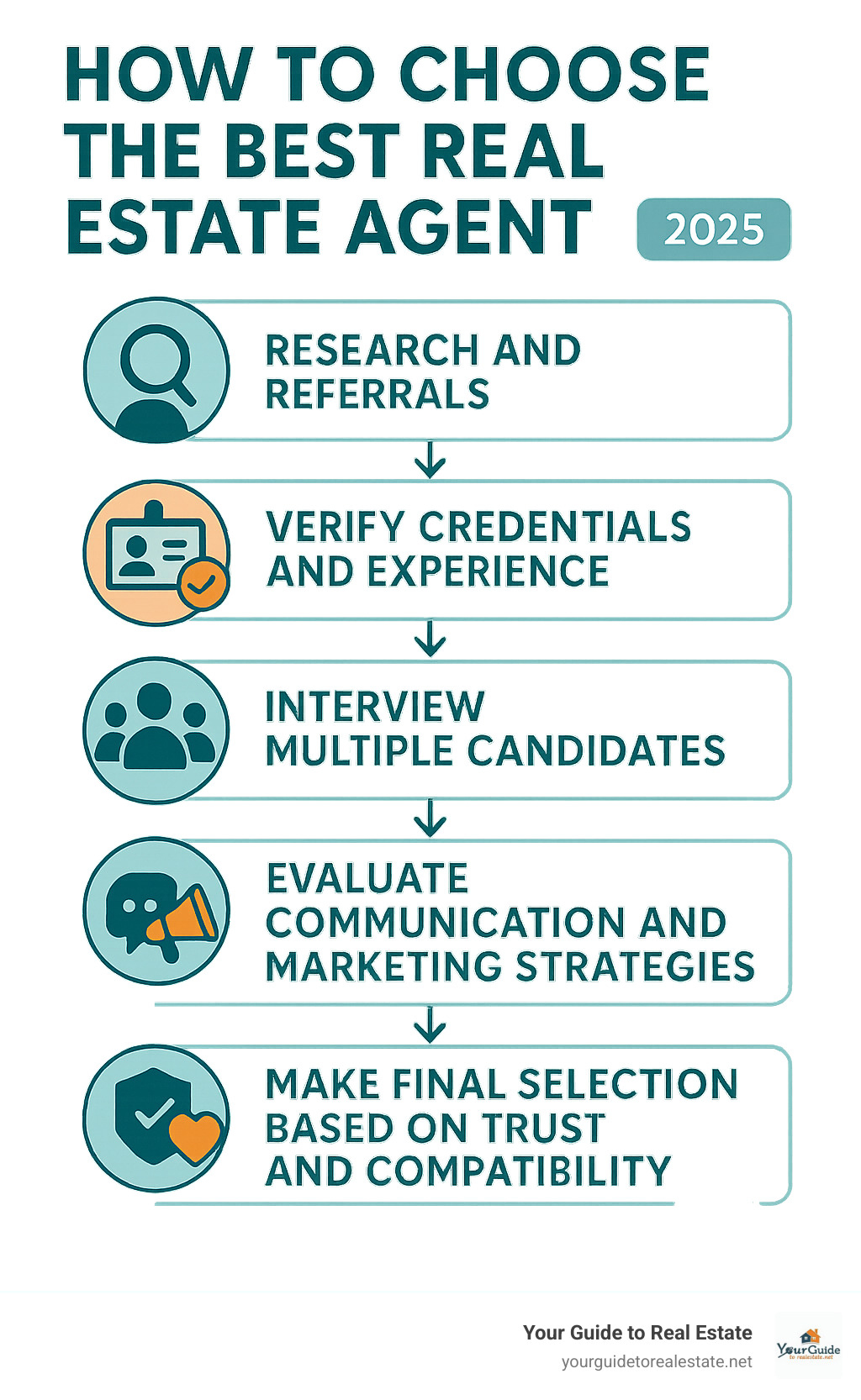
At Your Guide to Real Estate, we understand that buying or selling a home can feel like a labyrinth of paperwork, market trends, and unexpected twists. That’s why we’ve developed a proven framework and stress-free guidance to help you find the perfect real estate agent. Let’s explore the essential steps to ensure you make the best choice.
Step 1: Do Your Homework and Vet Credentials
Think of finding the right real estate agent like hiring someone for the most important job in your life – because that’s exactly what you’re doing! You’re about to trust someone with what’s likely your biggest financial asset, so it’s time to channel your inner detective.
Researching Agents Online and Through Referrals
The best place to start? Your own circle. Ask friends, family, and coworkers who they used when they bought or sold their homes. But don’t just collect names – dig deeper. What made their agent stand out? Did they feel heard and supported when things got stressful? Were they happy with the final outcome?
Here’s a pro tip: home inspectors often know which agents are truly excellent to work with. They see agents in action during some of the most critical moments of a transaction, so their recommendations carry real weight.
Once you have some names, it’s time to become an online sleuth. Check their website, social media presence, and client testimonials across multiple platforms. Look for patterns in the feedback – are clients consistently praising their communication skills? Do they mention smooth negotiations or quick responses?
Don’t just read the glowing reviews either. Pay attention to any recurring complaints or red flags. While every agent might have an occasional unhappy client, consistent issues with communication or follow-through should raise concerns.
Take a peek at their past listings and sales history too. This gives you a clear picture of whether they typically handle properties like yours and how successful they’ve been. According to the National Association of Realtors, 80% of sellers pick the first agent they meet – but that’s often a costly mistake. How to choose the best real estate agent requires comparing multiple candidates, not settling for the first friendly face.
Verifying Licenses and Professional Standing
Now comes the not-so-glamorous but absolutely essential part: checking credentials and licenses. Every legitimate real estate professional must hold an active license from their state’s regulatory body. This isn’t optional – it’s the law.
The good news? Most regulatory bodies make this information public and easy to find. For example, in Texas, you can search for a license holder through the Texas Real Estate Commission (TREC) database to see their license status and any disciplinary actions. Similarly, the Oklahoma Real Estate Commission lets you verify a professional’s license with just a few clicks.
Here’s something many people don’t know: there’s a difference between being licensed and being a REALTOR®. While all REALTORS® are licensed, not every licensed agent is a REALTOR®. REALTORS® are members of the National Association of REALTORS® and commit to following the REALTOR® Code of Ethics, which often indicates a higher level of professional commitment.
Think of license verification as your insurance policy. It ensures you’re working with someone who’s legitimate, accountable, and in good standing with their regulatory body. Skip this step, and you might find yourself working with someone who can’t legally represent you – or worse, someone with a history of disciplinary issues.
This homework phase might feel tedious, but it’s your foundation for making a smart choice. The agent you select will guide you through one of life’s biggest financial decisions, so investing time upfront can save you thousands of dollars and countless headaches down the road.
Step 2: Assess Experience and Local Market Expertise
After confirming their credentials, your next step is to evaluate an agent’s experience and, crucially, their local market knowledge. This isn’t just about how long they’ve been in the business, but how deeply they understand the specific area and property type you’re interested in.

Think of your ideal agent as your neighborhood insider – someone who knows which streets get the morning sun, where the best coffee shop is, and why homes on one block sell faster than another. An agent with genuine local market expertise can spot opportunities and challenges that others might miss entirely.
The best agents live and breathe their local market. They should know pricing trends like the back of their hand, understand what today’s buyers are looking for, and have their finger on the pulse of neighborhood changes. Maybe there’s a new transit line coming that will boost property values, or perhaps a major employer is relocating. This kind of insider knowledge can make a huge difference in your buying or selling strategy.
How to choose the best real estate agent based on their track record
Here’s where we separate the wheat from the chaff. How to choose the best real estate agent often comes down to looking at cold, hard numbers rather than just smooth talking and flashy marketing materials.
Don’t be fooled by an agent who’s been “in the business for 20 years” but hasn’t sold a home in your area recently. What matters more is their recent performance in your specific market. You want to know how many homes they’ve sold in your target neighborhood in the last year or two. Have they handled properties similar to yours in terms of price range and style?
Two key metrics can tell you a lot about an agent’s effectiveness. First, look at their average days on market compared to the area average. If their listings typically sell faster, that’s a good sign they know how to price and market properties effectively. Second, check their list-to-sale price ratio – this shows how close their asking prices come to the final sale prices. A high ratio suggests they’re skilled at both pricing accurately and negotiating strongly.
The agent who sells the most homes isn’t always the best choice for you. Some high-volume agents might delegate most of the work to assistants, leaving you feeling like just another number. You want someone with a solid track record who can still give you personal attention. Ask them to show you the real data about your neighborhood – recent sales, price trends, and typical time on market. If they can’t or won’t share this information, that’s a red flag worth noting. You can learn more about what makes an effective agent in our guide on Real Estate Agent Skills.
The Importance of Specialization
Just like you wouldn’t ask a heart surgeon to fix your broken leg, you want a real estate agent who specializes in what you need. An agent who focuses on luxury waterfront condos will have completely different expertise than one who specializes in first-time buyer starter homes.
Neighborhood specialization can be incredibly valuable. That “zip code specialist” knows which streets are quieter, where the best schools are located, and even which houses might have foundation issues due to local soil conditions. They’ve built relationships with local contractors, inspectors, and other professionals who can make your transaction smoother.
The type of transaction matters too. Buyer’s agents and seller’s agents develop different skill sets, even though many agents do both. A buyer’s agent becomes an expert at finding hidden gems and negotiating purchase prices, while a seller’s agent masters marketing strategies and maximizing sale prices. We’ve created detailed guides to help you understand these differences: How to Choose a Selling Real Estate Agent and how to Find a great Buyer’s Agent.
Sometimes working with a real estate team rather than a solo agent can give you the best of both worlds. Different team members might specialize in different aspects – one might be a marketing wizard while another excels at negotiations. This can increase your chances of finding exactly the expertise you need for your specific situation.
Step 3: Evaluate Strategy, Skills, and Communication
Now comes the fun part – getting to know how your potential agent actually works. A great real estate agent isn’t just someone who knows the market; they’re a strategic marketer, skilled negotiator, and clear communicator all rolled into one. These skills can make the difference between a stressful transaction and a smooth one.
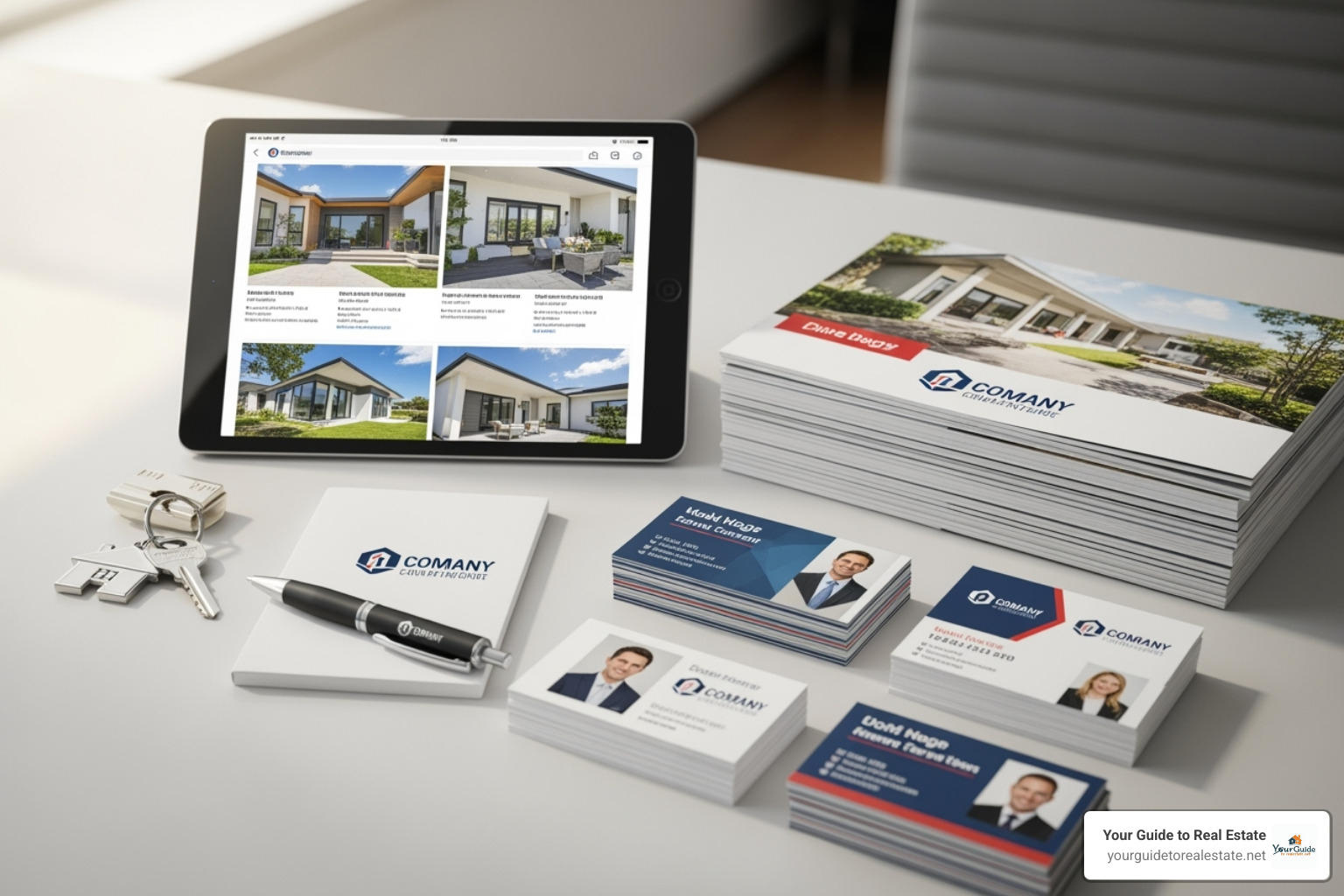
Assessing the Marketing and Technology Plan
If you’re selling, your agent’s marketing plan is absolutely crucial. After all, they can’t sell what buyers can’t see! Don’t let an agent brush you off with vague promises like “we’ll get it out there.” You deserve specifics.
Ask them to walk you through their online advertising strategy. Where exactly will your listing appear? The MLS is a given, but what about major real estate portals and social media platforms? A savvy agent should have a multi-channel approach that casts a wide net.
Professional photography isn’t optional anymore – it’s essential. Will they arrange for high-quality photos, drone footage, or virtual tours? Most buyers start their search online, and grainy phone photos just won’t cut it. Your agent should understand that first impressions happen on a screen long before buyers walk through your front door.
Pay attention to their social media strategy too. How will they leverage Facebook, Instagram, and YouTube to showcase your property? A tech-savvy agent will have a strong online presence with an up-to-date, mobile-friendly website that reflects their commitment to modern marketing.
Don’t forget about open houses and targeted marketing. Who do they see as the ideal buyer for your home? How will they specifically reach that demographic? The goal is maximizing exposure while highlighting your home’s unique selling points to attract the perfect buyer.
Evaluating Communication and Negotiation Skills
Here’s where you really get to know if this agent is right for you. Communication style matters more than you might think. You need someone who listens when you talk, explains things clearly without drowning you in jargon, and responds promptly to your calls and texts.
Ask about their availability expectations. How accessible will they be? Here’s a simple test: if they’re slow to respond when you’re trying to hire them, that’s probably how they’ll communicate once they have your business. Not a great sign!
A good agent keeps you informed throughout the entire process. They should prevent misunderstandings and reduce stress by staying in touch regularly. After all, buying or selling a home is stressful enough without wondering what’s happening behind the scenes.
Now let’s talk negotiation skills – this is where a great agent truly earns their commission. There’s a big difference between a “tough negotiator” and a “smart negotiator.” While a tough negotiator might bulldoze their way through and lose you the deal, a smart negotiator knows the maximum concessions for different loan types, writes contracts that actually hold up, and anticipates potential problems before they happen.
Ask about their approach to handling multiple offers. How do they manage bidding wars? Do they have strategies for ensuring fairness and transparency? A skilled agent should be able to explain their negotiation approach clearly and share examples of past successes.
You want someone who can confidently advocate for your best interests, whether you’re buying or selling. Understanding The Day-to-Day Life of a Real Estate Agent can give you insights into how they balance client needs with market demands. The right agent will always build in an “out” for you in contracts and focus on securing favorable deals that protect your interests.
When you’re learning how to choose the best real estate agent, these communication and strategy skills often matter more than years of experience. A newer agent with excellent communication and a solid marketing plan can often outperform a veteran who’s stuck in old ways of doing business.
Step 4: Understand the Financials and Legal Agreements
Money talks, and when it comes to how to choose the best real estate agent, understanding the financial side is absolutely crucial. Think of this step as reading the fine print before making one of your biggest investments. You wouldn’t buy a car without knowing the total cost, right? The same logic applies here.
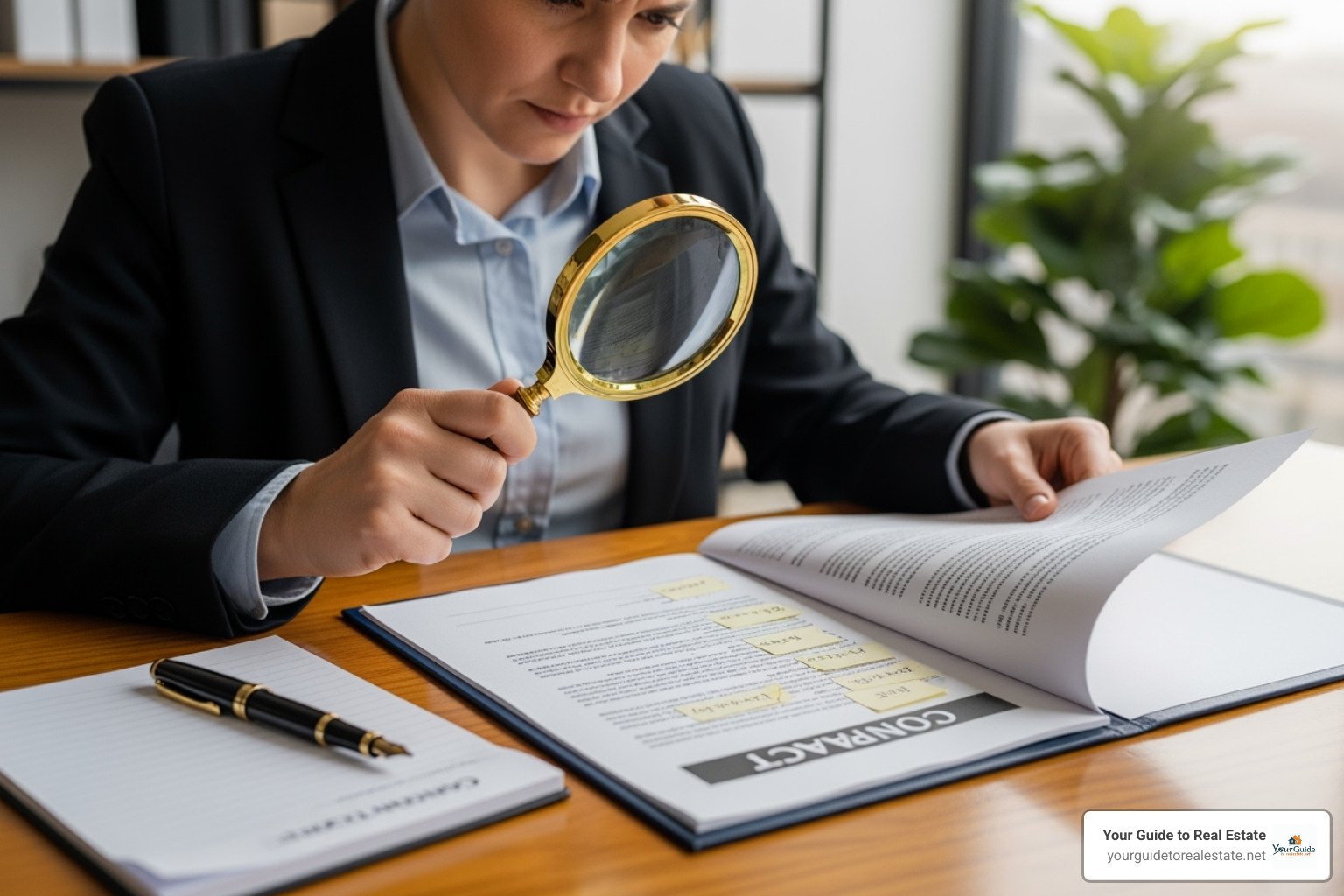
Decoding Commissions and Fees
Let’s talk about the elephant in the room: commission structures. Real estate commissions typically range from 5-6% of your home’s sale price, which means on a $400,000 home, you’re looking at $20,000 to $24,000 in fees. That’s real money, and you deserve to know exactly where it’s going.
Here’s what you need to ask every potential agent: What’s your commission rate, and what do I get for it? Don’t just accept the first number they throw at you. These rates are often negotiable, especially in competitive markets. Some agents might offer a lower rate but provide fewer services, while others justify higher fees with comprehensive marketing packages.
Understanding how commissions are split is equally important. Typically, the total commission gets divided between the buyer’s agent and seller’s agent, but the exact breakdown can vary. Make sure you know who’s getting what and why.
Watch out for additional costs that might not be included in the base commission. Professional photography, staging consultations, premium online listings, or specialized marketing materials might come with extra fees. A transparent agent will give you a detailed breakdown upfront, so there are no surprises at closing.
The cheapest option isn’t always the best value. A skilled agent who charges slightly more but sells your home for $15,000 above asking price has essentially paid for themselves. For a deeper dive into what agents actually earn, check out our guide on How Much Do Real Estate Agents Really Make With Real Numbers.
Reviewing the Listing Agreement and Potential Conflicts
The listing agreement is where the rubber meets the road. This legal contract defines your entire working relationship, and understanding it can save you from major headaches down the line.
Pay special attention to the contract length. Most agreements run for six months, but this isn’t set in stone. More importantly, look for cancellation clauses that give you an exit strategy. We strongly recommend working with agents who allow you to cancel with reasonable notice. Why? Because an agent who knows they can be fired tends to work harder to keep you happy.
Your agent has something called fiduciary duty – a fancy legal term that means they’re legally obligated to put your interests first. This isn’t just good customer service; it’s the law. They should be transparent about this responsibility and what it means for your transaction.
Now, let’s talk about a potential landmine: dual agency risks. This happens when one agent or brokerage represents both the buyer and seller in the same deal. While some agents argue they can handle this ethically, it creates an obvious conflict of interest. How can someone negotiate the best price for you when they’re also trying to get the best deal for the other party?
We recommend avoiding agents who frequently engage in dual agency situations. If more than 10% of their recent sales involved representing both sides, that’s a red flag. Your agent should prioritize transparency and integrity over the convenience of earning double commissions.
Before signing anything, read the contract carefully. If something doesn’t make sense, ask questions. If you’re still unsure, consider having a lawyer review the agreement. A few hundred dollars in legal fees now could save you thousands later.
How to Choose the Best Real Estate Agent: The Interview Process
You’ve done your research, vetted credentials, and assessed their experience. Now comes the personal touch: the interview. This is where you’ll find if an agent is truly the right fit for your unique situation.
Conducting Interviews and Asking the Right Questions
Here’s a sobering statistic: 80% of sellers pick the first agent they meet. Don’t be part of that majority! We strongly recommend interviewing at least three agents before making your decision. This isn’t just about being thorough – it’s about gaining valuable perspective and ensuring you’re making the most informed choice possible.
Think of it like hiring for any important position. You wouldn’t hire the first candidate who walked through your door, would you? The same principle applies when learning how to choose the best real estate agent. Each interview gives you a chance to compare approaches, communication styles, and strategies.
Beyond their professional qualifications, pay close attention to personal compatibility and rapport. Do you feel comfortable asking them questions? Can you easily discuss your concerns and goals? You’ll be spending significant time with this person during what can be a stressful process, so choosing someone you trust and genuinely enjoy working with is crucial.
During your interviews, focus on getting specific answers to key questions. Ask about their experience with properties similar to yours and request detailed examples. Find out about their marketing strategy – not just generic approaches, but specific plans custom to your property type and neighborhood. Discuss their communication style and availability expectations upfront to avoid misunderstandings later.
Don’t forget to ask for references from recent clients and actually follow up with them. A confident agent will gladly provide contact information for past clients who can speak to their experience. Ask these references about the agent’s responsiveness, negotiation skills, and whether they would work with them again.
How to choose the best real estate agent by spotting red flags
As you conduct interviews, watch for warning signs that could indicate trouble ahead. Over-inflating your home’s value is a classic red flag. An agent who suggests a significantly higher listing price than others – without solid data to support it – might just be trying to win your business. This often backfires, leaving your home sitting on the market and eventually selling for less than a realistic initial price would have achieved.
Be wary of agents who pressure you to sign immediately. A professional agent understands this is a big decision and will give you time to review contracts and consider your options. High-pressure tactics often indicate desperation or poor business practices.
Poor communication during the interview process is a strong predictor of future problems. If they’re slow to respond to your initial inquiries, seem disorganized, or struggle to explain their process clearly, imagine how frustrating this will become when you’re their client and deadlines matter.
Watch out for agents who can’t provide a clear, specific marketing plan. Generic promises about “marketing your home well” aren’t enough. You need concrete details about online advertising, professional photography, social media strategy, and targeted outreach to potential buyers.
Unwillingness to provide references or market data should immediately disqualify an agent. Transparency is non-negotiable in this business. If they can’t show you detailed transaction data for your neighborhood or won’t provide client references, they’re hiding something important.
Finally, don’t choose an agent based purely on superficial qualities like charm or appearance, and don’t automatically go with the cheapest commission. A skilled agent can influence your sale price by up to 10%, often more than offsetting their fee. Focus on finding someone with the right combination of skills, experience, integrity, and personal compatibility to guide you through this important transaction.
Conclusion
Learning how to choose the best real estate agent isn’t just about ticking boxes on a checklist – it’s about finding someone who becomes your trusted partner in one of life’s biggest financial decisions. Think of it like choosing a teammate for the most important game you’ll ever play. You want someone skilled, experienced, and completely in your corner.
Throughout this guide, we’ve walked you through the essential steps: vetting credentials to ensure you’re working with a legitimate professional, assessing experience to find someone who truly knows your local market, evaluating communication skills to ensure you’ll work well together, and understanding the financial details so there are no surprises down the road.
The process might seem overwhelming at first, but remember – taking time to do this right can literally save you thousands of dollars and months of stress. When you find the right agent, they don’t just handle paperwork and showings. They become your market expert, your negotiation champion, and your guide through every twist and turn of the real estate maze.
The right agent pays for themselves through better pricing strategies, stronger negotiations, and fewer costly mistakes. They know when to push and when to compromise. They understand the local market’s heartbeat and can position your property to shine in a crowded marketplace.
Don’t rush this decision. Interview multiple candidates, ask tough questions, and trust your gut. The agent who makes you feel most confident and comfortable is often the right choice. You’re not just hiring someone to put a sign in your yard – you’re choosing a partner who will fight for your best interests every step of the way.
At Your Guide to Real Estate, we believe that knowledge is power, especially in real estate. We’re here to give you that proven framework and stress-free guidance you need to succeed. Ready to take the next step in your real estate journey? Learn more about choosing the right real estate brokerage for your needs to complete your winning team.
Your dream home or perfect sale is waiting – and now you know exactly how to find the right agent to make it happen.