

Why Real Estate Agent Tips Matter for Everyone
Real estate agent tips are essential for buyers, sellers, and agents. Whether you’re navigating a transaction or building a career, the right guidance makes all the difference.
Quick Answer: Essential Real Estate Agent Tips
For Buyers and Sellers:
- Interview at least 3 agents before choosing one
- Look for full-time agents with local market expertise
- Verify credentials through your state’s real estate board
- Ensure strong communication and responsiveness
- Review their track record and marketing plan
For New and Growing Agents:
- Join a supportive team or brokerage for mentorship
- Build your personal brand early
- Master your local market inside and out
- Implement a CRM system from day one
- Diversify your lead generation strategies
- Create and stick to a daily schedule
The real estate market can be overwhelming. As one broker noted, “With a constantly changing real estate market, sellers and buyers alike need to employ various strategies…and often, they need help along the way.”
This is critical: the top 5% of real estate agents across the U.S. sell homes for as much as 10% more than the average agent. That’s a significant difference in one of life’s biggest financial decisions.
For new agents, the stakes are also high. Licensing courses don’t prepare you for finding clients, booking showings, or handling the complex paperwork that protects everyone.
This guide breaks down effective strategies for clients and agents. You’ll learn to identify top-performing agents, avoid pitfalls, and implement proven systems for success.
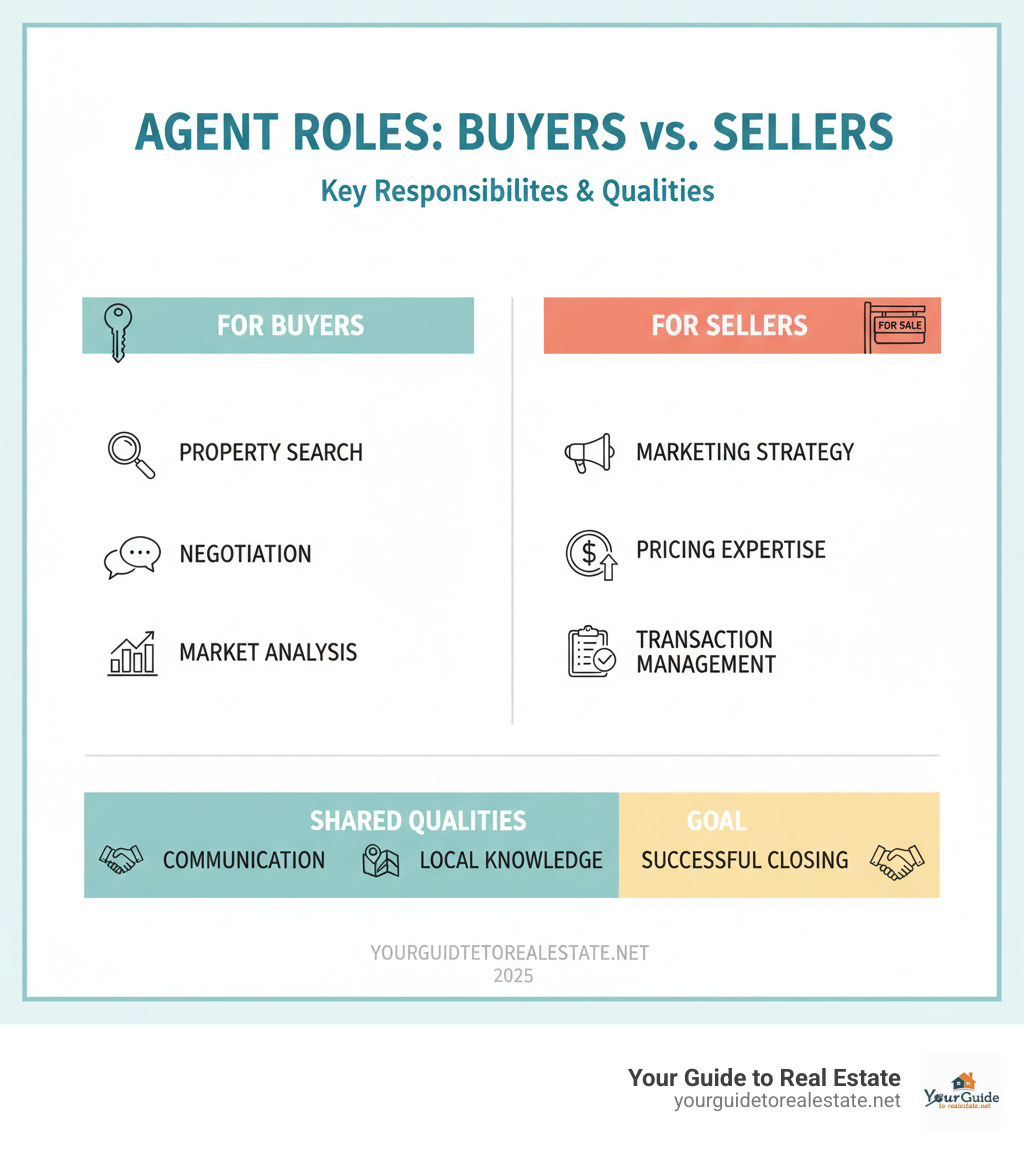
Quick real estate agent tips definitions:
Essential Tips for Choosing and Working with Your Agent
Finding the right real estate agent can mean the difference between a smooth, successful transaction and months of frustration. Your agent is your partner, advocate, and guide through a major financial decision. Let’s walk through how to find that perfect match and build a productive working relationship.

What to Look for in a Top Agent
The best agents combine honesty, deep local market knowledge, strong communication skills, and a proven track record. They know your target neighborhood inside and out—from school districts to upcoming developments. Their professional network of trusted mortgage brokers, inspectors, and attorneys is invaluable, saving you research time.
Honesty is non-negotiable. You need an agent who will give you the unvarnished truth about a property’s flaws or an unrealistic price. Pay attention to communication style. The right agent adapts to your preferences, whether you prefer texts or calls, and responds promptly. Check online reviews and testimonials to gauge an agent’s track record. Our Real Estate Agent Skills guide digs deeper into the competencies that separate good agents from great ones.
The Agent Selection Process
One of the best real estate agent tips we can offer is to interview at least three agents. This is smart, not picky. During these interviews, ask the Questions to Ask Realtor that matter to your situation, like their neighborhood transaction history and negotiation strategies.
For sellers, scrutinize each agent’s marketing plan. A modern plan must include professional photography, virtual tours, and a targeted online advertising strategy. You’ll also want to understand their Comparative Market Analysis (CMA). This data-driven tool analyzes recent sales and market conditions to set the optimal listing price. It’s market research, not guesswork. Our guide on How to Do a Competitive Market Analysis Real Estate explains this process in detail.
For comprehensive advice, check out our How to Select the Best Real Estate Agent resource.
Understanding the Agent-Client Partnership
Once you choose an agent, you enter a partnership where your agent owes you a fiduciary duty—a legal obligation to put your interests above their own. This means loyalty, full disclosure, and confidentiality, as codified in standards like the Realtor Code of Ethics, which you can review at The official Realtor Code of Ethics.
This partnership is a two-way street. You have obligations too, such as clear communication about your budget, timeline, and expectations. Before work begins, you’ll sign a representation agreement. This legal document outlines the scope of services, agreement length, and commission structure. Read it carefully and ask questions. A good agent wants you to feel confident and informed.
Red Flags: How to Spot and Avoid a Bad Agent
Recognizing warning signs early can save you frustration and money. Poor communication is a major red flag; real estate moves too fast for slow responses. Watch out for agents who treat real estate as a part-time gig, as you need someone who is available and ready to move.
An overly eager agent who agrees with everything and promises unrealistic results may be inexperienced. A professional will push back when necessary. Unfamiliarity with your local market is a deal-breaker, as is a lack of tech-savviness. Dishonesty, even small half-truths, should end the relationship immediately.
If you find yourself stuck with an ineffective agent, request a written release from your listing agreement. If they refuse, ask to withdraw your home from the MLS. With larger brokerages, you might request a different agent. Better yet, avoid this situation by following the advice in our How to Choose a Selling Real Estate Agent guide. Trust your instincts during interviews—if something feels off, it probably is.
Game-Changing Real Estate Agent Tips for Career Growth
Starting a real estate career is exciting but can be overwhelming. Licensing courses teach theory but don’t prepare you for the real-world challenges of finding clients, managing showings, or handling paperwork. Our mission at Your Guide to Real Estate is to provide a proven framework for success with these real estate agent tips.

Building Your Foundation as a New Agent
One of your first big decisions is whether to join a team or work solo. In today’s market, teams offer new agents invaluable mentorship from seasoned, top-producing agents. You get a built-in support system and access to expert-taught classes that dramatically shorten your learning curve. When choosing where to hang your license, our guide on Choosing a Real Estate Broker can help you find a supportive environment.
A golden rule for new agents: say “yes” to opportunities. Volunteer for open houses, take rental referrals, and master leases. Rentals offer a lower-stakes environment to practice skills and build a client base. This mindset is critical in your first two years as you gain practical experience. For more detailed steps, check out our How to Become a Realtor guide.
Marketing and Branding: Essential real estate agent tips
Building a strong personal brand is essential for standing out. Your brand must be consistent across all platforms—your colors, messaging, and values should align everywhere. Your professional website is your digital storefront; it should be sleek, user-friendly, and showcase your listings, testimonials, and blog. Our Build Real Estate Business resources offer strategies for creating a site that converts.
Content marketing keeps you top-of-mind. Focus on one or two social media platforms and vary your content with property showcases, behind-the-scenes posts, and market updates. Video content is especially powerful for creating an instant connection. Use your smartphone to share property tours or answer common questions. As the experts say, use content marketing across multiple channels, including videos, to build relationships with your audience.
Systems for Success: More real estate agent tips
Consistent lead generation and database building are the lifeblood of your business. Your database, or Sphere of Influence (SOI), is your most valuable asset. Start a list of everyone you know and consistently engage with them through newsletters or calls. To manage this, you need a Customer Relationship Management (CRM) system. Choose one early and master it to organize contacts and automate follow-up.
Diversify your lead generation strategies by exploring multiple channels: online advertising, direct mail, open houses, and networking. Finally, master time management. Create a daily schedule and stick to it, blocking out time for prospecting, marketing, and client work. Just as importantly, schedule downtime to prevent burnout. Our Real Estate Business Systems guide offers detailed strategies for building efficient operations.
Advanced Strategies for the Modern Agent
The real estate industry is constantly evolving with new technology and shifting market dynamics. For agents in competitive markets from Dallas to Oklahoma City, staying ahead means embracing innovation. Mastering these advanced real estate agent tips is what separates good agents from truly exceptional ones.

Leveraging Technology and Data
Technology is no longer optional—it’s essential. Agents who resist digital tools get left behind. Artificial intelligence and automation are changing the industry, handling everything from lead qualification to transaction management. AI can analyze markets, predict trends, and create virtual tours. Our guide on How AI and Automation Are Changing the Real Estate Workforce in 2025 offers a look at what’s coming.
Advanced CRM tactics can transform your business by personalizing client interactions and predicting when past clients might be ready to move. Search Engine Optimization (SEO) is how clients find you online. Use SEO keyword tools to create valuable content that answers real questions. Mastering SEO creates a 24/7 lead generation machine working for you. You can explore more strategies in our Build Real Estate Business resources.
Becoming a Local Market Authority
People want to work with a true neighborhood expert. This hyper-local expertise becomes your competitive advantage and helps you find your niche, whether it’s first-time homebuyers, luxury properties, or investment opportunities. When you’re the authority on a specific area, clients seek you out.
Maintaining this expert status requires a commitment to continuous education. The market is always evolving. Attend industry events, read publications, and engage in your community to deepen your knowledge. Combining deep local knowledge with an understanding of broader real estate trends makes you the go-to expert everyone calls with questions. Our Top 7 Real Estate Trends Shaping 2025 and Beyond guide can help you stay informed about the bigger picture.
Frequently Asked Questions about Real Estate Agents
What are the most important qualities of a successful real estate agent?
The best agents combine professional skill with genuine care for their clients. The most important qualities include:
- Honesty and integrity: This forms the foundation of trust, which is critical when clients are making huge financial decisions.
- Tenacity: Top agents advocate fiercely for their clients, pursuing every opportunity and overcoming obstacles.
- Strong communication skills: They respond promptly, explain complex topics clearly, and listen carefully to client needs.
- In-depth market knowledge: Local experts know their neighborhoods inside and out, helping them price properties accurately and find the best opportunities.
- Negotiation expertise: A skilled negotiator knows how to structure deals that protect your interests.
Our Best Real Estate Agent Guide 2025 explores these characteristics in greater detail.
How do real estate agents get paid?
Real estate agents work on a commission-based model, meaning they earn a percentage of a property’s sale price when a deal closes. They don’t receive a salary. The total commission is typically split between the buyer’s agent and the seller’s agent, and each agent then splits their portion with their brokerage firm.
For example, on a $300,000 home sale with a 6% total commission ($18,000), the buyer’s and seller’s agents might each receive $9,000 before splitting that amount with their respective brokers. This structure motivates agents to work for the best possible outcome. Our guide on Who Pays Realtor Fees? provides a comprehensive explanation.
Should a new agent join a team or work solo?
This is a critical early-career decision. While both paths can lead to success, we generally recommend new agents join a team, at least initially. Licensing courses don’t fully prepare you for the real world of finding clients and handling transactions.
Joining a team provides invaluable mentorship, a built-in support system, and often, a source of leads. You gain experience faster, share costs for marketing and technology, and benefit from the team’s established reputation. The trade-off is a smaller commission split and less autonomy over your brand.
Working solo offers a higher commission split and complete control over your business. However, you are responsible for all startup costs, must generate leads from scratch, and miss out on direct mentorship, which can make for a steep, isolating learning curve.
In today’s market, teams are dominant because they provide the substantial support modern consumers expect. Our Top 5 Things to Look For When Choosing a Real Estate Brokerage as a New Agent guide can help you evaluate your options.
Conclusion
Whether you’re buying, selling, or building a real estate career, the real estate agent tips in this guide provide a roadmap for success.
For buyers and sellers, the right agent is crucial. Remember to look for honesty, deep market knowledge, and strong communication. Interview multiple candidates, understand representation agreements, and trust your instincts. A great agent is an advocate who protects your interests during one of life’s biggest financial decisions.
For agents, success requires dedication and continuous growth. Building a solid foundation through mentorship, developing a personal brand, and implementing smart systems will set you apart in this competitive field. As the industry evolves, so should you.
At Your Guide to Real Estate, our proven framework is designed to take the stress out of real estate. We provide the expert insights and practical resources you need to make confident, informed decisions.
Ready to take the next step? Explore more resources for agents and see how our community can support your growth.