Why Understanding Condo Water Damage Coverage Matters
Does condo insurance cover water damage? Yes, condo insurance typically covers water damage from sudden and accidental events like burst pipes or appliance malfunctions, but it does not cover flooding, sewer backups, or damage from neglect and poor maintenance.
Quick Answer: What Condo Insurance Covers for Water Damage
| Typically Covered | Not Covered |
|---|---|
| Burst pipes | Flooding from natural disasters |
| HVAC malfunctions | Sewer or drain backups |
| Appliance leaks | Gradual leaks from poor maintenance |
| Accidental overflows | Ground water seepage |
| Fire sprinkler discharge | Damage from neglect |
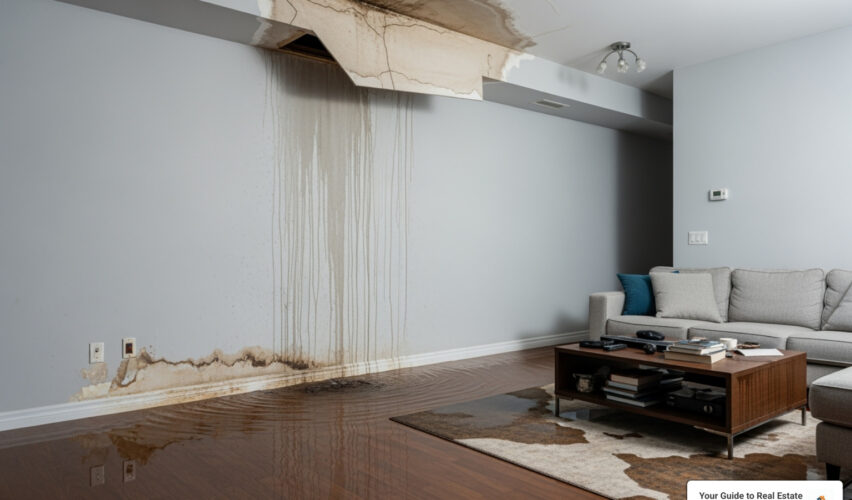
Water damage is a common, costly problem for condo owners. When you see a leak, you need answers fast. The challenge is the complexity of condo water damage coverage. It involves your personal HO-6 policy, the condo association’s master policy, and sometimes even a neighbor’s insurance.
The financial stakes are high, with potential costs running into thousands for repairs, replacements, and temporary housing. Without a clear understanding, you could pay for damage that should have been covered. Many condo owners find coverage gaps only after a disaster. This guide will help you avoid that.
Navigating condo insurance can be daunting. We’ve developed a proven framework to help you understand your coverage and protect your investment. In this guide, we’ll walk you through three essential methods to guarantee you understand your condo water damage coverage, ensuring peace of mind even when unexpected leaks occur.
Method 1: Differentiate Your HO-6 Policy from the HOA’s Master Policy
When water damage occurs in your condo, determining who pays—you or the HOA—depends on the specific insurance policy.
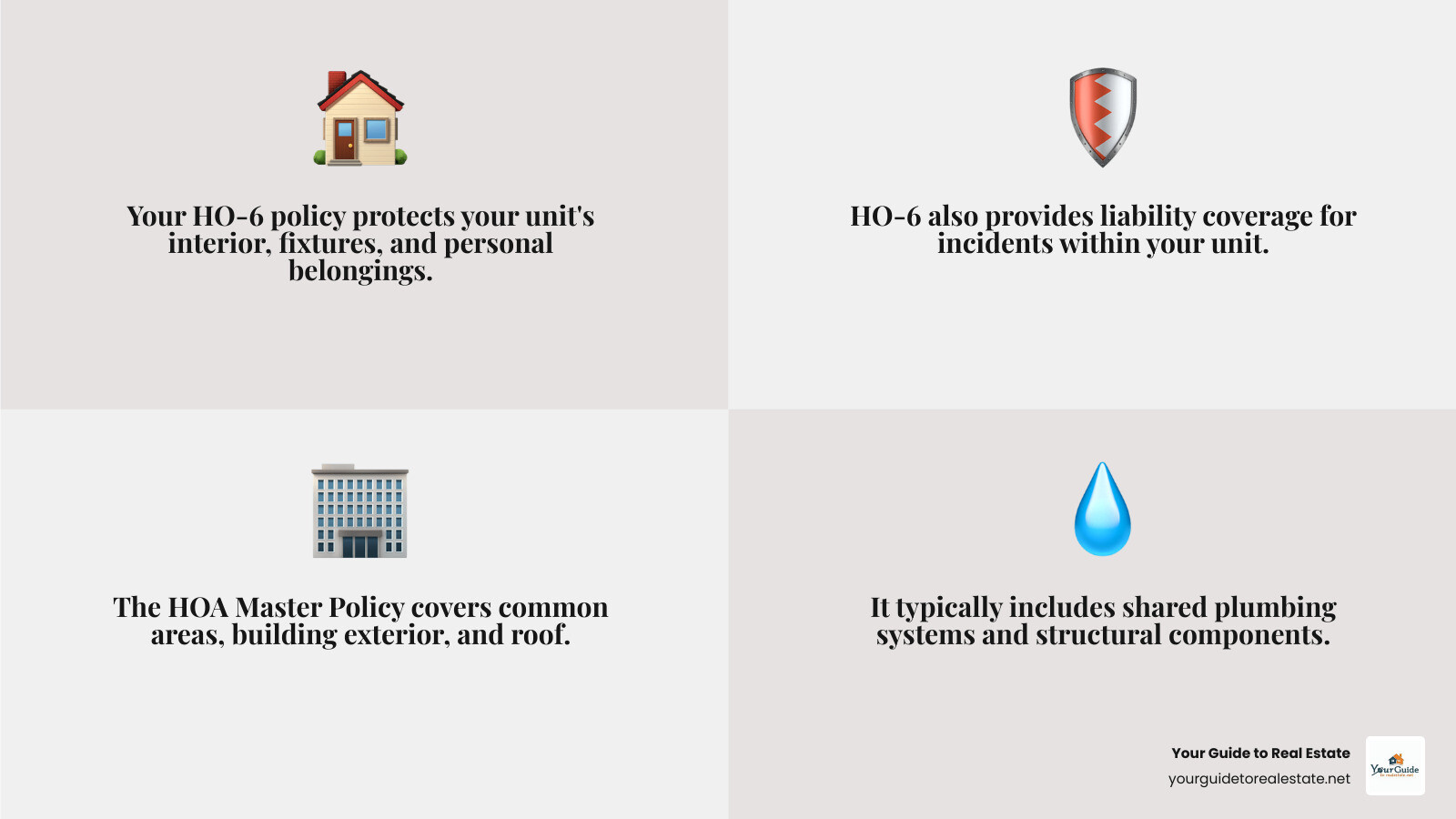
Condo insurance involves two policies: your HO-6 policy for your personal space and belongings, and the HOA master policy for the building’s structure and shared spaces.
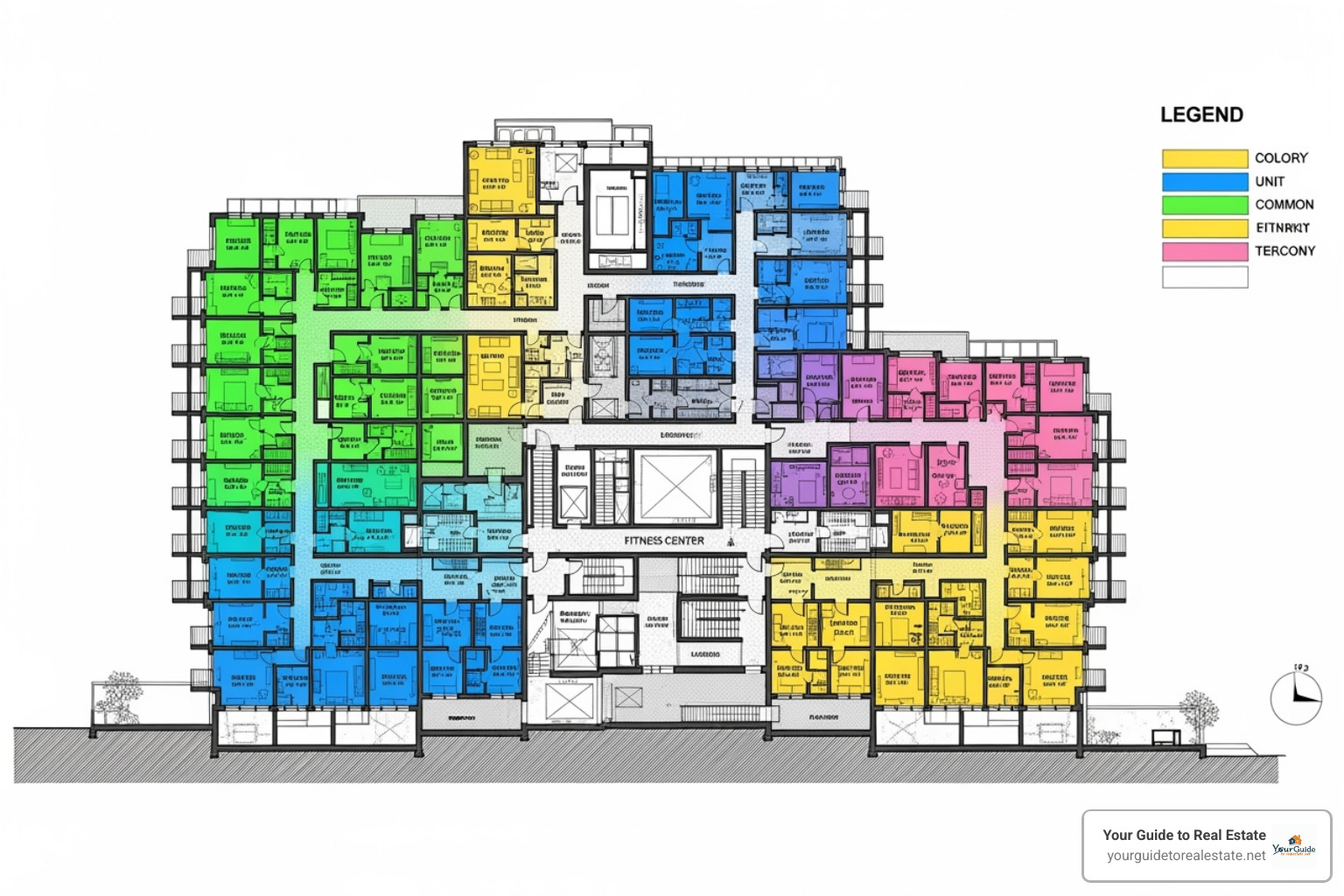
Your HO-6 policy protects everything inside your unit, from furniture and floors to personal liability. The HOA master policy covers common areas (hallways, lobbies), the building’s exterior, roof, and structural framework.
The line between your responsibility and the HOA’s is defined in your condo’s Covenants, Conditions, and Restrictions (CC&Rs). These documents specify who is responsible for what.
Master policies vary, from “bare walls” coverage (basic structure only) to “single entity” coverage (including original fixtures). Reading your CC&Rs is crucial for understanding your financial obligations.
| Coverage Aspect | HO-6 Policy (Condo Owner) | HOA Master Policy |
|---|---|---|
| Structure | Interior walls, fixtures, upgrades, flooring within your unit (beyond what master covers) | Building exterior, roof, common areas, structural components, original unit build-out (depending on policy type) |
| Personal Belongings | Furniture, electronics, clothing, valuables inside your unit | None |
| Liability | Your personal liability for accidents within your unit or caused by you | Liability for accidents in common areas |
| Common Areas | None directly (though you pay into it through HOA fees) | Hallways, lobbies, fitness centers, pools, shared utility systems |
When is the HOA Responsible for Water Damage?
The HOA is usually responsible for water damage from shared systems or structural components. If the issue affects multiple units or originates from a common element, it’s likely the HOA’s responsibility.
Roof leaks are a classic example. Since the roof protects all units, the HOA’s master policy covers damage from its failure.
Shared plumbing issues, like a main water line bursting in a common wall, also fall to the HOA. The same applies to water intrusion from faulty exterior walls or windows.
State laws can add clarity. For example, The Florida Condominium Act requires HOA policies to protect the condo property as originally built. Just like Understanding Title Insurance protects your ownership rights, understanding these laws protects your financial interests.
When is the Condo Owner Responsible for Water Damage?
Your HO-6 policy provides “walls-in” coverage, meaning you’re responsible for damage that occurs inside your unit.
Unit interior damage is your responsibility. If your dishwasher floods the kitchen, your HO-6 policy should cover repairs to your cabinets and flooring.
Your personal belongings are always your responsibility. Your policy should cover water damage to your furniture, electronics, and other possessions.
Negligence can lead to a denied claim. If you ignore a leaky pipe or forget to turn off a faucet, your insurer may not cover the resulting damage.
Your HO-6 policy fills the gaps left by the HOA’s master policy. Understanding these details is helpful if you decide to Sell Condo for Cash.
Method 2: Pinpoint the Water Source to See if Your Condo Insurance Covers Water Damage
After understanding the policy division, the next step is identifying the water’s source and nature. This is often the deciding factor for your insurance claim.
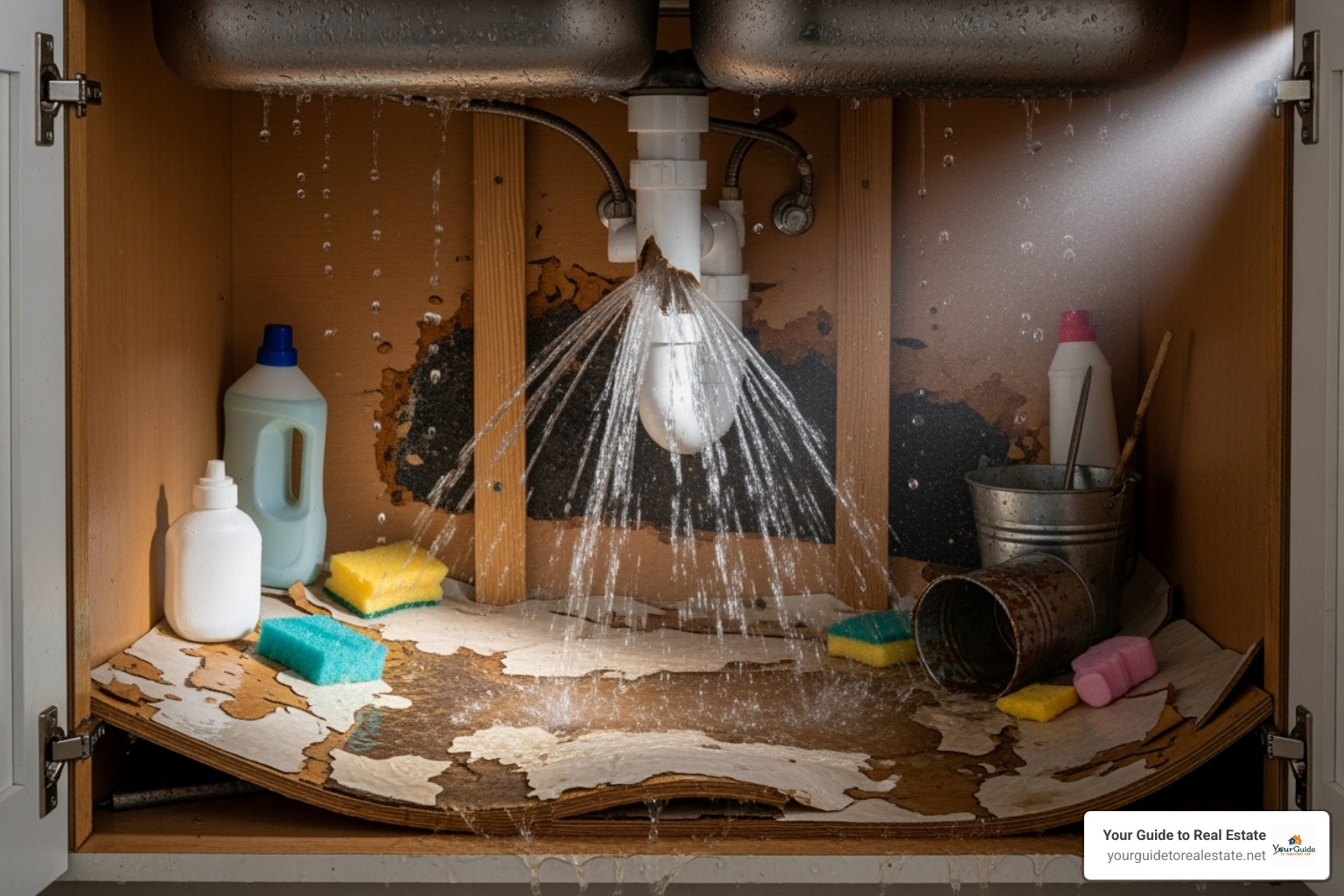
A helpful guideline from IRMI is: if water comes down, it’s likely covered; if it comes up, it likely isn’t. This distinguishes covered internal leaks from non-covered external flooding or sewer backups.
Insurers distinguish between sudden and accidental damage (covered) and gradual damage or neglect (not covered). Policies are for unexpected events, not preventable maintenance issues.
What Types of Water Damage Are Typically Covered?
Your condo insurance generally covers sudden and accidental water damage from internal sources. These are the “water comes down” scenarios that does condo insurance cover water damage positively.
- Burst pipes: Sudden bursts from frozen or old pipes are typically covered. Most policies cover these plumbing-related issues.
- HVAC malfunctions: Leaks from an AC unit or water heater are usually covered. The policy covers the resulting damage, but not typically the cost to repair or replace the appliance itself.
- Appliance leaks: Sudden leaks from a dishwasher, washing machine, or refrigerator are generally covered. The policy pays for the water damage, not the appliance.
- Accidental overflows: Damage from an overflowing toilet or bathtub is usually covered.
- Fire sprinkler discharge: Accidental activation of a fire sprinkler system is typically covered.
What Types of Water Damage Are Generally NOT Covered?
These are the common exclusions that catch many condo owners off guard.
- Flooding: Standard policies exclude damage from water that touches the ground before entering your home (e.g., heavy rain, overflowing rivers). For this, you need separate flood insurance. You can check your flood risk on FEMA’s FloodSmart.gov.
- Sewer or drain backup: This is another common exclusion. You need a specific “water backup” endorsement for this coverage.
- Ground seepage: Water seeping through the foundation is considered a maintenance issue and is not covered.
- Poor maintenance and wear and tear: Damage from neglect, such as ignoring a slow leak, will lead to a denied claim. Insurers expect you to maintain your property.
- Unrepaired leaks: If a known leak causes major damage over time, your claim will likely be denied due to inaction.
So, does condo insurance cover water damage from a neighbor?
When water from a neighbor’s unit damages yours, determining coverage involves multiple insurance companies.
Your HO-6 policy is your first line of defense. File a claim with your insurer to get repairs started quickly. They will cover damage to your unit and belongings, minus your deductible.
Your neighbor’s liability coverage may apply if they were negligent (e.g., left a faucet running or ignored a known leak). After paying your claim, your insurer may use subrogation to seek reimbursement from your neighbor’s insurance company. If successful, you may get your deductible back.
Proving negligence can be difficult. If the damage was accidental (e.g., a sudden pipe burst), their liability may not apply, and your policy remains your primary protection. Communicate with your neighbor, but prioritize your own claim. Don’t wait for their insurer to act.
Method 3: Execute the Right Action Plan for Claims and Prevention
Knowing your coverage is the first step. The next is having an action plan for when water damage strikes and knowing how to prevent it. A quick, effective response can prevent a financial catastrophe, and simple prevention can save you thousands.
What Steps Should You Take After Finding Water Damage?
Don’t panic when you find water damage. Taking immediate, correct steps can significantly impact your claim and repair costs.
- Stop the water source. Find and turn off your unit’s main water shut-off valve or the water supply to the leaking appliance. Every second counts.
- Notify your HOA immediately, especially if the source seems to be a common area or shared plumbing. They need to coordinate a response.
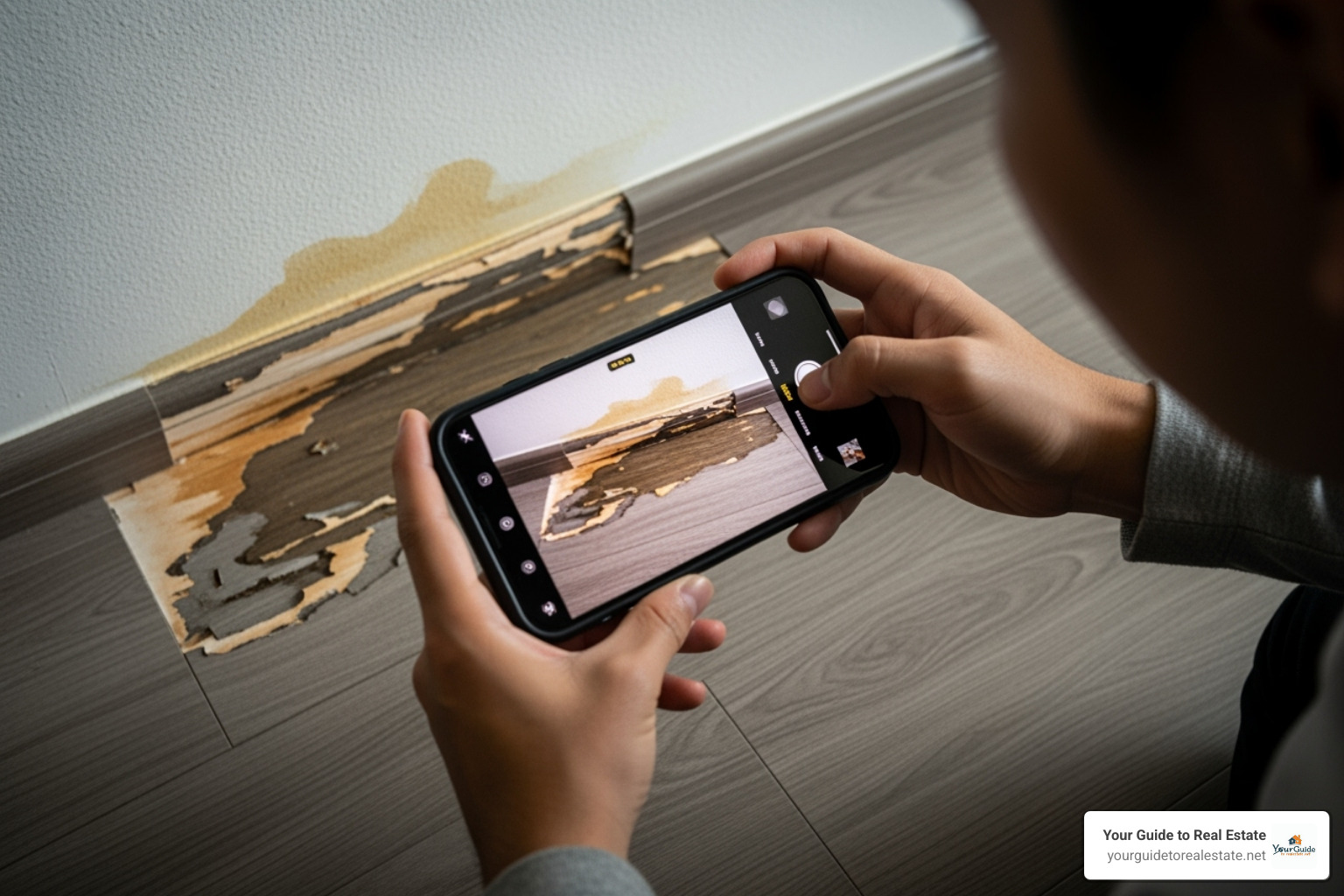
- Document everything. Take detailed photos and videos of the water source, the damage to your unit, and affected belongings. This is crucial for your claim.
- Contact your insurer promptly to start the claims process. Most have 24/7 reporting. They will guide you on the next steps and send an adjuster.
- Mitigate further damage. Move belongings to a dry area and soak up standing water. Do not make permanent repairs before your insurer assesses the damage, as this could void coverage.
- Keep detailed records. Log all communications with your HOA, neighbors, and insurer, and keep receipts for any temporary repairs.
As experts at US News point out, knowing the right steps makes the process smoother and helps ensure you get the coverage you deserve.
How Can You Prevent Water Damage in Your Condo?
The best claim is one you never file. Prevention is key to avoiding the need to ask does condo insurance cover water damage.
- Regularly inspect appliance hoses. Check washing machine, dishwasher, and refrigerator hoses for cracks or bulges. Replace them every 3-5 years to prevent bursts.
- Check your water heater annually. Look for corrosion or leaks. Flush it to remove sediment. Plan for replacement if it’s over 8-12 years old.
- Service your HVAC system annually. A professional can clear clogged drain pans or condensation lines that cause hidden leaks.
- Install leak detectors near water heaters, sinks, and washing machines. Smart detectors can send alerts to your phone and some can even shut off the main water supply automatically.
- Locate your water main shut-off valve. Know where it is and how to use it. In an emergency, you’ll need to act fast.
- Address small problems immediately. A dripping faucet can become a major issue. Insurance doesn’t cover damage from neglect, so fix small leaks promptly.
Your HOA should also perform preventative maintenance on common elements like roofs, gutters, and shared plumbing. For more tips, our Water Softener Maintenance guide can help keep your plumbing systems in top shape.
Frequently Asked Questions about Condo Water Damage
Let’s answer some frequently asked questions about condo water damage coverage.
Does condo insurance cover water damage from flooding?
No, standard condo insurance does not cover flooding. This is a common exclusion that surprises many owners. In insurance terms, flooding is water that touches the ground before entering your home, such as from heavy rain, overflowing rivers, or storm surges.
To be covered, you must purchase separate flood insurance through the National Flood Insurance Program (NFIP) or a private insurer. It’s often required for mortgages in high-risk zones.
Even if you live on a high floor, flooding can damage building systems and common areas, making your unit uninhabitable. Find flood maps on FEMA’s FloodSmart.gov to check your building’s risk.
Does condo insurance cover damage from sewer or drain backups?
No, standard condo policies typically do not cover sewer or drain backups. If a municipal sewer line or the building’s main drain backs up into your condo, your basic HO-6 policy won’t cover the damage.
The good news is you can add an affordable “water backup and sump pump overflow” endorsement to your policy. This supplemental coverage can save you thousands and is wise for lower-floor units.
The HOA’s master policy might cover the damage if the backup resulted from their neglect of common plumbing, but you shouldn’t rely on this.
What is Loss of Use coverage and how does it apply to water damage?
Loss of Use coverage, or Additional Living Expenses (ALE), pays for temporary housing and other costs if a covered water damage event makes your condo uninhabitable. For example, if a burst pipe floods your unit and requires extensive repairs, you won’t be able to live there.
ALE becomes your financial lifeline, covering temporary housing costs (like a hotel or rental), increased food expenses if you can’t use your kitchen, and other necessary costs like laundry. This coverage helps you maintain your normal standard of living during restoration without draining your savings.
ALE only applies if the initial damage is from a covered peril. This highlights why understanding your base policy is so important.
For new condo owners, grasping these protection details is part of building a solid foundation for successful homeownership. Our First Time Home Buyers Toolkit: Everything You Need to Know Before You Buy walks through all these essential safeguards that smart property owners need to understand.
Conclusion
Understanding does condo insurance cover water damage can seem complex, but with this guide, you have a clear roadmap.
To recap:
- First, differentiate your HO-6 policy from the HOA’s master policy. Know what you’re responsible for (your unit’s interior) versus what the HOA handles (common areas and structure).
- Second, pinpoint the water source. Sudden internal leaks are usually covered, while flooding and sewer backups are not. This helps set realistic expectations.
- Third, have an action plan. Know the steps for emergency response and prevention to minimize damage and avoid claims.
Proactive ownership means understanding your insurance and protecting your investment. With preparation, water damage doesn’t have to be a financial disaster.
At Your Guide to Real Estate, we provide tools for success in homeownership. Whether it’s insurance or financing, like in our Understanding Mortgages: A Beginner’s Guide to Home Loans, our proven framework simplifies real estate decisions.
Don’t wait for a leak to review your coverage. Take action now by reviewing your HO-6 and HOA master policies. Your future self will thank you for the peace of mind.