Understanding Gold Tarnishing: What You Need to Know
Does gold tarnish? The answer isn’t as simple as yes or no – it depends entirely on the type of gold you own.
Quick Answer:
- Pure 24k gold: Never tarnishes (too soft for jewelry)
- Gold alloys (18k, 14k, 10k): Can tarnish slightly over time
- Gold-filled/vermeil: Rarely tarnish with proper care
- Gold-plated: Tarnish within 1-3 years
Gold has captivated humans for millennia, prized not just for its beauty but also as a store of value. Whether you’re investing in gold jewelry as part of your asset portfolio or simply want to preserve a treasured piece, understanding tarnishing is crucial.
The key lies in purity. Pure gold is chemically inert – it doesn’t react with oxygen, moisture, or most chemicals. However, pure 24-karat gold is too soft for everyday jewelry. That’s why jewelers create alloys by mixing gold with stronger metals like copper, silver, and zinc.
Here’s where tarnishing enters the picture: it’s not the gold that tarnishes, but the other metals in the alloy. When these base metals react with oxygen, sulfur, or chemicals in the environment, they create that familiar dark discoloration we call tarnish.
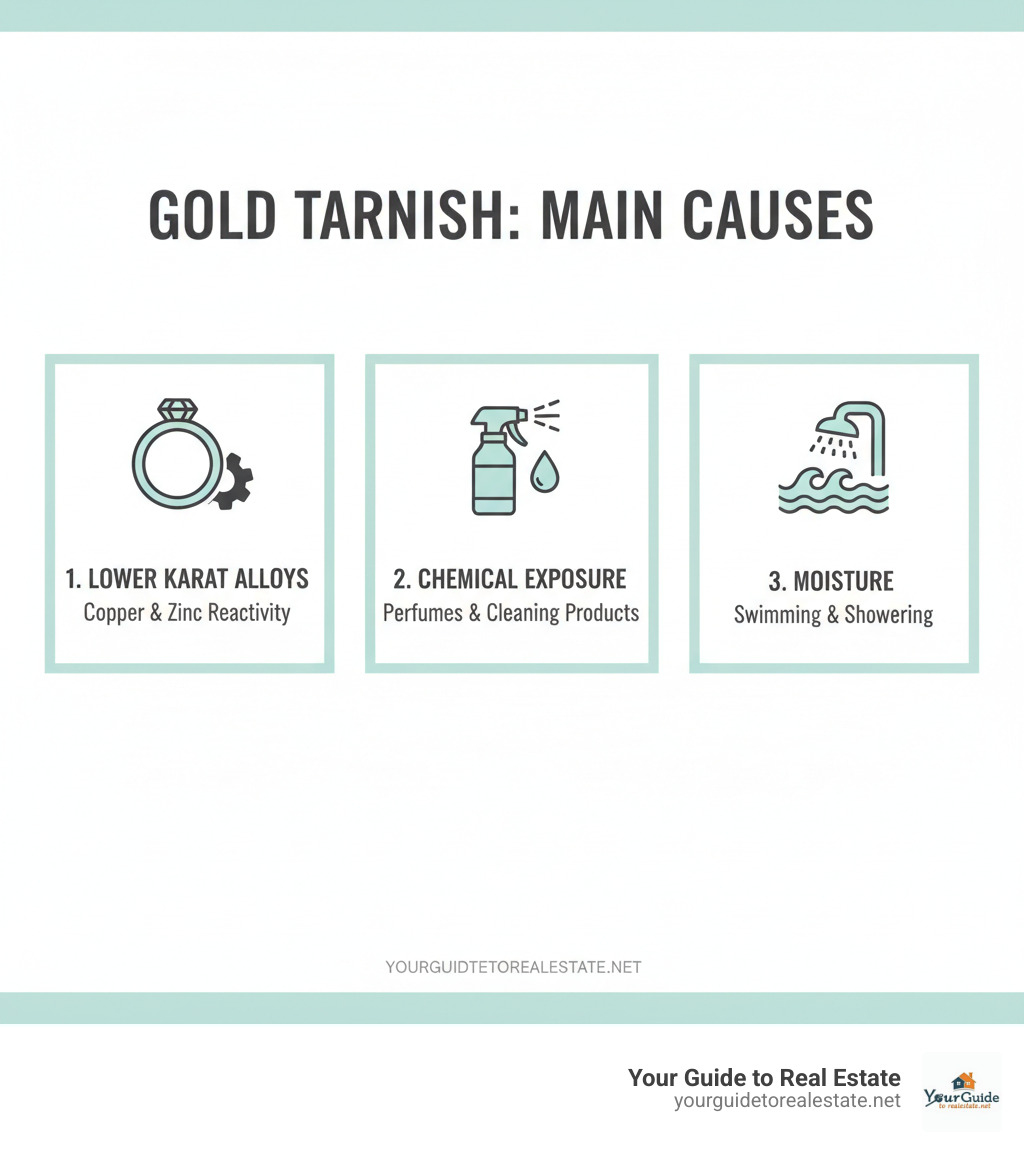
Your gold jewelry’s susceptibility to tarnishing depends on three main factors: the karat rating (how much pure gold it contains), the type of construction (solid, filled, or plated), and how you care for it.
Quick * does gold tarnish* terms:
The Science of Gold: Why Purity and Karats Matter
Understanding why some gold jewelry maintains its gorgeous shine while other pieces seem to lose their sparkle is like understanding any good relationship – it’s all about what’s on the inside! The secret lies in gold’s fascinating chemistry and how it plays with other metals.
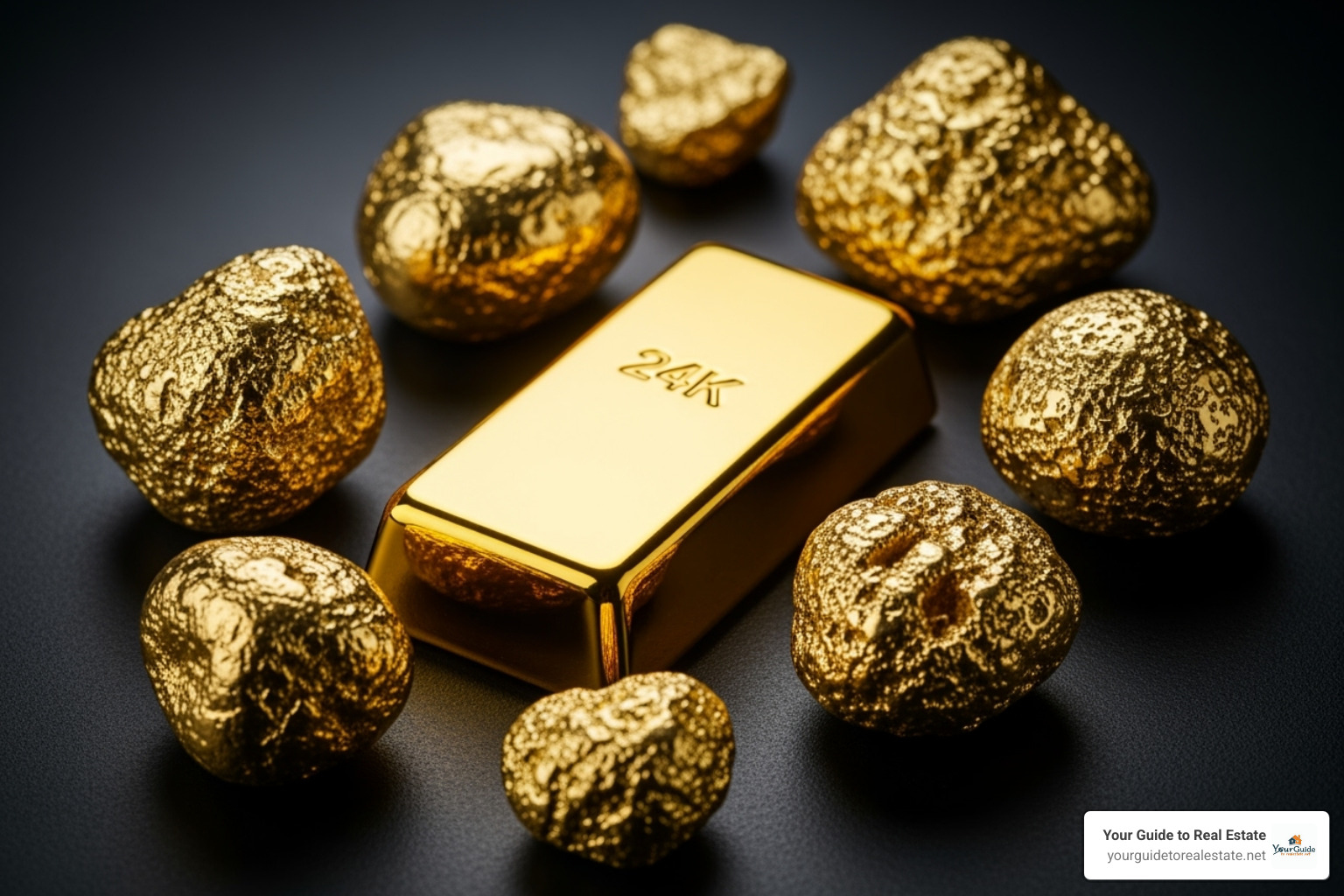
Pure gold is truly remarkable – it’s a noble metal that’s completely non-reactive with oxygen and moisture. Think of it as the ultimate introvert of the metal world: it simply doesn’t want to interact with its environment. This chemical inertness is what makes gold so precious and enduring.
But here’s the catch: pure 24-karat gold is incredibly soft. We’re talking “you could literally dent it with your fingernail” soft! This makes it completely impractical for everyday jewelry that needs to withstand bumps, scratches, and the general chaos of daily life.
That’s where gold alloys come to the rescue. Jewelers mix pure gold with stronger base metals like copper, silver, and zinc to create jewelry that’s both beautiful and durable. It’s a perfect trade-off: you get durability while keeping most of gold’s stunning appearance.
However, this is where the tarnishing story gets interesting. When we ask “does gold tarnish?” we’re really asking about these base metals. The gold itself stays perfectly pristine, but those helper metals can undergo oxidation and corrosion when they meet oxygen, moisture, or certain chemicals in the air.
Does pure gold tarnish?
Here’s the definitive answer: 24-karat gold never tarnishes. Period. As a noble metal, pure gold has an incredible resistance to oxygen and moisture that makes it virtually immortal in terms of its appearance.
This is why gold has been treasured throughout history – ancient Egyptian jewelry still gleams as brightly today as it did thousands of years ago! The gold simply doesn’t care about time, air, or moisture.
But there’s a reason pure gold is too soft for jewelry. Imagine wearing a ring that bends every time you shake hands or earrings that lose their shape just from being worn. Pure gold jewelry would be a constant source of frustration, no matter how beautiful it looked initially.
How does the karat of gold affect its tendency to tarnish?
The karat system is your roadmap to understanding how your gold will behave over time. Think of it as a recipe: the more gold in the mix, the less likely you are to see tarnishing.
18k gold contains 75% pure gold and 25% other metals. With such a high gold content, it’s remarkably resistant to tarnishing. Most people will never notice any dulling with proper care, making it an excellent choice for special pieces.
14k gold strikes a popular balance at 58.3% pure gold. While the increased percentage of alloy metals makes it slightly more susceptible to tarnishing than 18k, it’s still quite resistant. This is why 14k gold remains such a favorite for engagement rings and everyday jewelry.
10k gold sits at the minimum for fine jewelry with just 41.7% pure gold. The higher karat means less tarnish rule definitely applies here – 10k gold is the most likely to show discoloration over time among solid gold options.
The math is simple: lower karat means more susceptible to tarnishing because there’s more non-gold metal to react with the environment. When you’re shopping for gold jewelry, you’re not just buying beauty – you’re investing in how that beauty will age.
For more detailed guidance on keeping your gold pieces looking their best, check out these expert tips on jewelry care that can help extend the life and luster of any gold jewelry you own.
A Practical Guide: Solid Gold vs. Plated, Filled, and Vermeil
When you’re shopping for gold jewelry, understanding the different types of construction is just as important as knowing about karats. Think of it like buying a house – you want to know if you’re getting solid hardwood floors or just a thin veneer over particle board! The construction method dramatically affects how long your jewelry will last, whether gold will tarnish, and how much you’ll pay.
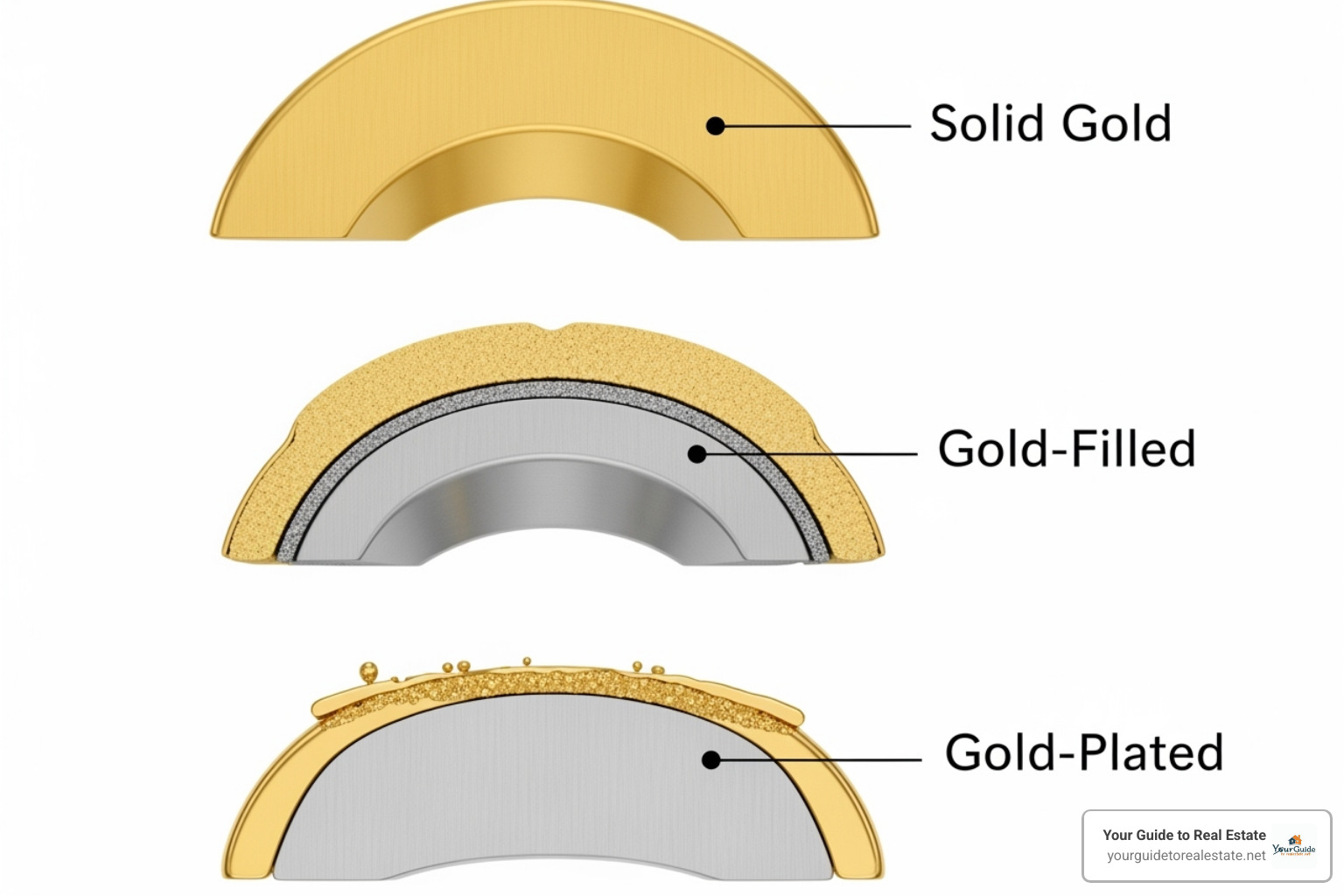
Each type offers a different balance of beauty, durability, and budget-friendliness. Let’s explore what makes each one unique so you can make the smartest choice for your lifestyle and wallet.
Solid Gold Jewelry (10k, 14k, 18k)
Solid gold jewelry is the real deal – it’s made entirely from a gold alloy throughout the entire piece. Don’t let the word “solid” confuse you though; it doesn’t mean 100% pure gold (that would be too soft to wear). Instead, it means the gold alloy composition is consistent from surface to core.
This consistency gives solid gold its incredible long-term durability. Your solid gold pieces are built to last generations. They can handle daily showers, hand washing, and the general bumps and scrapes of everyday life. Many families pass down solid gold jewelry as heirlooms because it’s practically indestructible when cared for properly.
When it comes to tarnish resistance, solid gold jewelry performs beautifully. Higher karat pieces like 18k gold rarely show any tarnishing, while 14k and 10k pieces might develop a slight patina over many years – but we’re talking decades, not months. The investment value is real too, since solid gold holds intrinsic worth based on its actual gold content.
Gold-Filled and Gold Vermeil
These two options are like the sweet spot between luxury and practicality – they give you most of the benefits of solid gold without the hefty price tag.
Gold-filled jewelry uses a fascinating process where thick layers of solid gold are permanently bonded to a base metal core using heat and pressure. It’s not just a coating that can flake off; the gold becomes part of the metal structure. The gold layer must be at least 5% of the total weight, making it substantially thicker than regular plating.
The longevity of gold-filled pieces is impressive – with proper care, they can look beautiful for 10 to 30 years. That’s longer than many people keep their jewelry anyway! Plus, the thick gold layer provides excellent hypoallergenic properties, making it perfect for sensitive skin.
Gold vermeil (pronounced “ver-MAY”) takes a different approach. It starts with sterling silver and applies a thick layer of gold – at least 2.5 microns thick and at least 10k gold quality. This creates a piece that’s both luxurious and durable.
Like gold-filled jewelry, vermeil offers excellent high tarnish resistance. The substantial gold layer protects the sterling silver underneath from exposure to air and moisture. Even if the gold layer eventually wears thin after many years, sterling silver tarnishes much more slowly than cheaper base metals.
Gold-Plated Jewelry
Gold-plated jewelry is the most budget-friendly option, but it comes with some important trade-offs you should know about upfront.
The electroplating process applies an ultra-thin layer of gold – often less than 1 micron thick – over base metals like brass or copper. To put this in perspective, that’s thinner than a human hair! This thin coating is what makes gold-plated jewelry so affordable, but it’s also why it has the shortest lifespan.
The reality is that gold-plated jewelry typically lasts only 1-3 years before showing significant wear. The thin gold layer gradually wears away through normal use, exposing the base metal underneath. Once that happens, you’ll notice high susceptibility to tarnish as those reactive metals start oxidizing.
Here’s a practical comparison to help you decide:
| Feature | Solid Gold | Gold-Filled | Gold Vermeil | Gold-Plated |
|---|---|---|---|---|
| Gold Content | 41.7%-75% throughout | 5%+ by weight (thick layers) | Sterling silver + 2.5+ microns gold | Ultra-thin gold coating |
| Durability | Lifetime with care | 10-30 years | 10-30 years | 1-3 years |
| Tarnish Risk | Very low | Very low | Low | High |
| Price Point | Highest | Mid-range | Mid-range | Lowest |
The key takeaway? If you’re looking for pieces you’ll treasure for years, solid gold, gold-filled, or vermeil are your best bets. Gold-plated jewelry works great for trendy pieces you’ll wear occasionally, but don’t expect them to become family heirlooms!
Does Gold Tarnish? A Guide to Prevention and Cleaning
You’ve invested in beautiful gold jewelry, and naturally, you want it to sparkle for years to come. The reality is that while pure gold itself won’t tarnish, the alloys and thin coatings found in most jewelry pieces can develop that dreaded dull appearance over time.
When gold jewelry starts to lose its luster, it’s usually pretty obvious. Tarnished gold loses its brilliant shine and develops a lackluster, almost dusty appearance. You might notice dark spots scattered across the surface, or the entire piece might take on a general discoloration that makes it look aged and worn. Sometimes, especially with gold-plated jewelry or lower-karat pieces, you’ll see a dullness that seems to rob the gold of its warm glow.
The most dramatic signs appear on gold-plated items, where the thin gold layer has worn away to reveal the base metals underneath. These pieces can develop black streaks, greenish hues, or even an uneven, patchy appearance where tarnish has formed in some areas but not others.
But here’s the encouraging news: tarnished gold can almost always be restored to its original radiant shine with the right care and attention.
How can I prevent my gold jewelry from tarnishing?
The secret to keeping your gold jewelry gorgeous is prevention. Think of it like protecting any valuable asset – a little care upfront saves you time, money, and heartache later.
Chemical exposure is your gold jewelry’s biggest enemy. Household bleach will quickly discolor gold and can even cause it to disintegrate, so never wear your jewelry while cleaning. The same goes for perfumes, hairsprays, deodorants, and lotions – these everyday products contain chemicals that react with the alloy metals in your gold. Always apply these products first and let them dry completely before putting on your jewelry.
Water activities pose another significant threat. Whether you’re swimming in a chlorinated pool, taking a relaxing bath, or showering after a long day, remove your gold jewelry first. Chlorinated water is particularly harsh and can accelerate tarnishing, while even regular tap water can gradually wear down delicate plating over time.
Physical activities also put your jewelry at risk. When you’re exercising or playing contact sports, your sweat contains chemicals that react with alloy metals, plus there’s always the risk of scratches or damage. Similarly, household chores and outdoor work expose your jewelry to cleaning products and rough conditions that can cause premature wear.
Even cooking can be problematic. High-acid foods like citrus fruits or sulfur-rich ingredients like onions can react with gold alloys, so it’s wise to remove rings before meal preparation.
Proper storage makes an enormous difference in preventing tarnish. Always return your jewelry to a safe, designated spot when you’re not wearing it – preferably in a jewelry box with separate compartments or individual soft pouches. This prevents pieces from scratching each other and reduces exposure to air and moisture.
Store your jewelry in a cool, dry place away from humidity and heat, which accelerate the chemical reactions that cause tarnishing. Adding silica gel packets to your jewelry box helps absorb excess moisture from the air.
What is the best way to clean tarnished gold jewelry?
When your gold jewelry starts looking a bit lackluster, don’t panic – cleaning it is usually straightforward and incredibly satisfying.
For most solid gold and gold-filled pieces, a gentle DIY approach works beautifully. Start by mixing a few drops of mild, phosphate-free dish soap with warm water in a small bowl. Avoid antibacterial soaps, as they can sometimes cause unexpected discoloration.
Let your jewelry soak for 10-15 minutes to loosen any built-up dirt or grime. For pieces with intricate details or stubborn spots, gently scrub with a soft-bristled toothbrush – a baby toothbrush is perfect for this job. You can also use your fingers or a cotton swab for delicate areas.
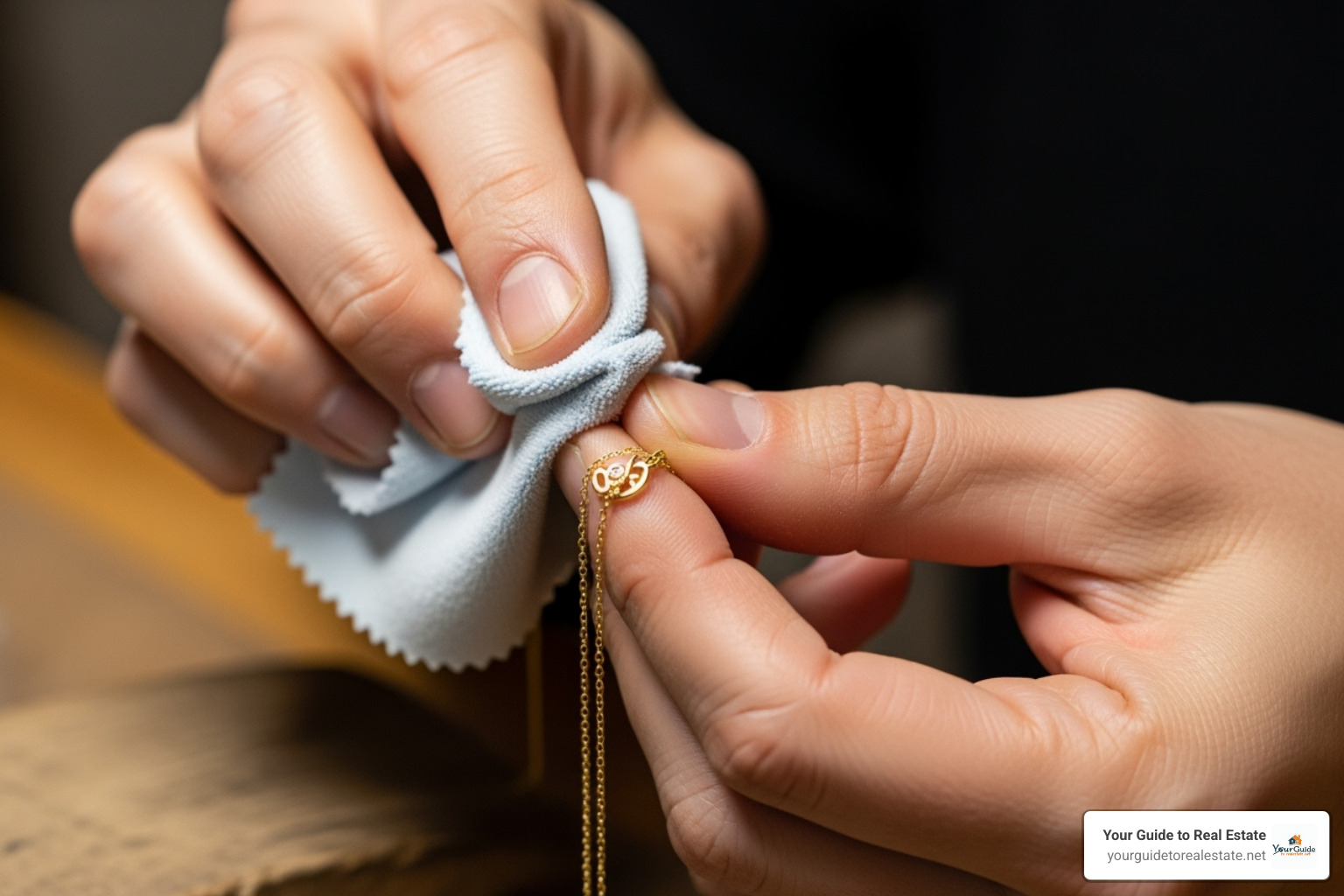
Rinse thoroughly under clean, warm running water to remove all soap residue. (Pro tip: always close your drain first!) Then dry gently with a soft, lint-free cloth or let the piece air dry completely. Once dry, a jeweler’s polishing cloth can restore that brilliant shine you love.
However, there are some cleaning methods you should absolutely avoid. Never use toothpaste, baking soda, or harsh abrasive cleaners on your gold jewelry – these can scratch the surface and cause permanent damage. Household cleaners containing ammonia or chlorine are also off-limits unless they’re specifically formulated for gold jewelry.
Jewelry expert Marisa Hordern, founder of Missoma, suggests cleaning your favorite pieces every three to six months, with an annual cleaning for pieces you wear less frequently.
Can tarnished gold be restored?
The answer is a resounding yes! Tarnished gold jewelry can almost always be restored to its original beauty, which is one of the wonderful things about investing in quality pieces.
For light to moderate tarnish, the gentle cleaning method described above often does the trick completely. Follow up with a jeweler’s polishing cloth, and you’ll be amazed at how much shine you can restore.
Heavily tarnished pieces or valuable items are best handled by a professional jeweler. They have specialized tools and solutions that can safely remove stubborn tarnish without damaging delicate settings or intricate details.
For gold-plated jewelry where the thin gold layer has worn away completely, re-plating is an excellent option. A skilled jeweler can apply a fresh layer of gold to make your piece look brand new again. Similarly, white gold pieces that have developed a yellowish tint can be re-plated with rhodium to restore their bright, silvery appearance.
So while the question “does gold tarnish” often has a “yes” answer for alloys and plated items, tarnishing is rarely permanent. With proper care and the right restoration techniques, your gold jewelry can maintain its beauty for generations.
Frequently Asked Questions about Gold Tarnishing
You’re not alone if you have questions about gold and how it behaves over time. Let’s explore some of the most common concerns people have when wondering “does gold tarnish” and what it all means for your precious pieces.
Does white gold tarnish?
White gold is a bit of a special case in the gold family. Unlike yellow gold, white gold gets its beautiful silvery appearance through a clever combination of pure gold mixed with white metals like palladium, silver, or nickel. But here’s the interesting part – most white gold jewelry gets an extra boost from a thin coating of rhodium, a precious metal from the platinum family that gives it that brilliant, mirror-like finish.
So when people ask “does gold tarnish” about white gold, the answer is a little more nuanced. The gold alloy underneath doesn’t actually tarnish in the traditional sense. However, that gorgeous rhodium plating on top? It’s not permanent. Over months or years of wear, especially on high-contact areas like the inside of rings or bracelet clasps, this rhodium coating gradually wears away.
When the rhodium starts to thin out, you’ll notice the underlying white gold alloy peeking through with its natural, slightly yellowish tint. This isn’t tarnish – it’s just the original color of the metal showing through. Think of it like nail polish that’s starting to chip away.
The good news is that this is completely normal and easily fixable. A quick trip to your jeweler for rhodium re-plating will make your white gold look brand new again. Most people need this service every few years, depending on how often they wear their pieces.
If my gold jewelry turns my skin green, is it fake?
This question makes so many people panic, but here’s the reassuring truth: green skin doesn’t automatically mean fake gold! While counterfeit jewelry can certainly cause this reaction, legitimate gold jewelry can do it too.
The culprit is usually copper, one of the most common metals mixed with gold to create those durable alloys we talked about earlier. When copper comes into contact with moisture, oxygen, and the natural oils on your skin, it creates a harmless chemical reaction that produces that telltale green mark.
Your individual body chemistry plays a huge role here. Some people’s skin pH, the lotions they use, their activity level, or even medications can make this reaction more likely. It’s completely harmless – just your skin having a little chemical conversation with the copper in your gold alloy.
This reaction is actually more common with lower-karat gold (like 10k or 14k) because they contain higher percentages of other metals, including copper. If you’re prone to this, try keeping your jewelry clean and dry, and avoid putting on rings or bracelets right after applying hand cream or perfume.
Does gold rust?
Let’s clear up this confusion once and for all: gold absolutely does not rust. This is one of those misconceptions that comes up frequently, but rust is actually very specific to iron and iron-containing metals.
Rust is what happens when iron meets oxygen and moisture, creating that flaky, reddish-brown substance we’ve all seen on old cars or forgotten tools. Since gold – whether pure or alloyed – doesn’t contain iron, it simply cannot rust.
What people sometimes mistake for rust on gold jewelry is usually tarnish (from the other metals in the alloy) or just everyday dirt and grime buildup. Even gold alloys with their mix of different metals don’t rust because the non-gold components typically include metals like copper, silver, and zinc – not iron.
So when you’re wondering “does gold tarnish” versus rust, gold can tarnish (thanks to those alloy metals), but it will never, ever rust. That’s just one more reason why gold has been treasured throughout history – it maintains its integrity in ways that many other metals simply can’t match.
Conclusion
So, does gold tarnish? After exploring the science behind gold and its alloys, we can confidently say that the answer depends entirely on what type of gold you own. Pure 24-karat gold will never tarnish – it’s chemically inert and maintains its brilliant shine forever. However, most gold jewelry contains alloys or plating, which means it can develop that familiar dull appearance over time.
The story of your gold jewelry’s longevity really comes down to understanding what you’re buying. Higher karat gold like 18k contains more pure gold and less reactive metals, making it far more resistant to tarnishing than lower karat options. Similarly, solid gold pieces will outlast gold-plated items by decades.
But here’s the encouraging news: prevention is incredibly effective. By simply avoiding harsh chemicals like bleach and chlorine, removing your jewelry before swimming or showering, and storing pieces properly in a cool, dry place, you can dramatically extend their lifespan. Even gold-plated jewelry can look beautiful for years with the right care.
And when tarnish does appear? It’s rarely permanent. A gentle cleaning with mild dish soap and warm water, followed by a soft cloth polish, can restore most pieces to their original glory. For stubborn cases, professional cleaning and even re-plating services can make your jewelry look brand new again.
The key is treating your gold jewelry like the investment it is – because whether it’s a family heirloom or a recent purchase, proper care ensures it will continue sparkling for years to come.
Just as understanding the value and care of your jewelry matters, so does navigating your biggest investment – your home. At Your Guide to Real Estate, we believe in providing the same clear, practical guidance for real estate decisions that we’ve shared about gold care today.
Whether you’re buying your first home, selling a property, or exploring investment opportunities, our proven framework takes the stress out of real estate transactions. Explore our resources for real estate agents to find how we can help you succeed in today’s market.
You might also find these resources helpful:
- Real Estate Business Systems
- Virtual Real Estate Brokerage
- Understanding Mortgages: A Beginner’s Guide to Home Loans
- How to Invest in Real Estate