

Understanding What DSCR Loans Are and Why They Matter
DSCR loan requirements are criteria real estate investors must meet for Debt Service Coverage Ratio loans. This unique financing focuses on a property’s rental income rather than the borrower’s personal income.
Quick Answer: Key DSCR Loan Requirements
- Minimum DSCR ratio: 1.0-1.25 (property income must cover mortgage payments)
- Credit score: Typically 640-680 minimum, 720+ for best terms
- Down payment: 20-25% of property value
- Property type: Investment properties only (single-family, 2-4 units, condos)
- Cash reserves: 3-6 months of mortgage payments
- No personal income verification: Qualification based on property cash flow
DSCR loans differ from traditional mortgages. Instead of analyzing W-2s, tax returns, and personal debt-to-income ratios, lenders focus on one key question: Can this property generate enough rental income to cover its mortgage payments?
This approach makes DSCR loans attractive for self-employed investors, those with multiple properties, or anyone preferring to separate personal finances from their investment strategy. DSCR loans shift the focus from the borrower’s personal income to the property’s income potential.
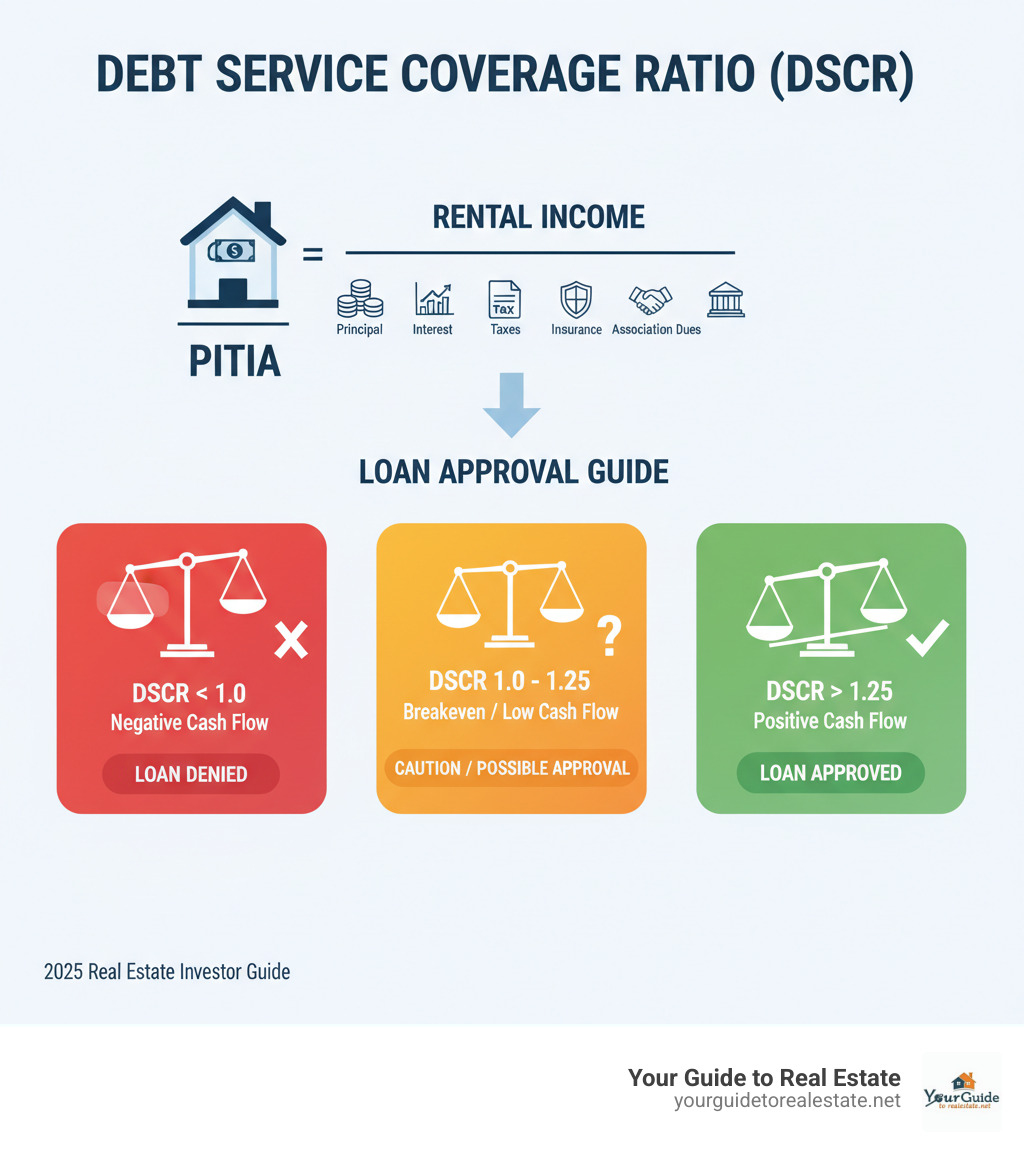
The process centers on calculating the property’s Debt Service Coverage Ratio. This formula divides the property’s monthly rental income by its total monthly housing costs (principal, interest, taxes, insurance, and association fees).
Quick dscr loan requirements terms:
Core DSCR Loan Requirements for Investors

DSCR loan requirements are your roadmap to investment property financing. Unlike traditional mortgages that scrutinize your personal income, DSCR loans ask one simple question: “Can this property pay for itself?”
This shift is significant for real estate investors. Instead of worrying about self-employment income or complex tax write-offs, you focus on the property’s earning potential. If you’re serious about building wealth through real estate, understanding these requirements is crucial. Our guide on How to Invest in Real Estate dives deeper into investment strategies, but let’s focus on what lenders need to see.
How is the Debt Service Coverage Ratio (DSCR) Calculated?
The DSCR calculation checks if your rental income can cover your mortgage payment and related expenses.
Here’s the formula: DSCR = Gross Rental Income / PITIA
Your gross rental income is the monthly rent you expect to collect. For existing rentals, lenders review current lease agreements. For new properties, they order a market rent appraisal to determine realistic rental expectations.
PITIA covers all your monthly housing costs: Principal, Interest, Taxes, Insurance, and Association dues (HOA fees).
For example, if a duplex rents for $2,200 per month and your total PITIA is $2,000, your DSCR would be 1.10 ($2,200 / $2,000). This means you have $200 in positive cash flow each month.
However, if the property only rented for $1,800 with the same $2,000 in expenses, your DSCR would be 0.90. This tells lenders you’d be losing $200 every month, making them hesitant.
Most lenders require a DSCR between 1.10 and 1.25. A ratio below 1.0 means the property can’t cover its own costs and usually leads to rejection. A DSCR between 1.0 and 1.10 is borderline; some lenders might approve it if you provide a larger down payment or show substantial cash reserves.
A DSCR above 1.25 often leads to better interest rates and more favorable terms, as it shows strong cash flow with a cushion for unexpected expenses.
Understanding the Minimum DSCR Loan Requirements: Credit Score and Down Payment
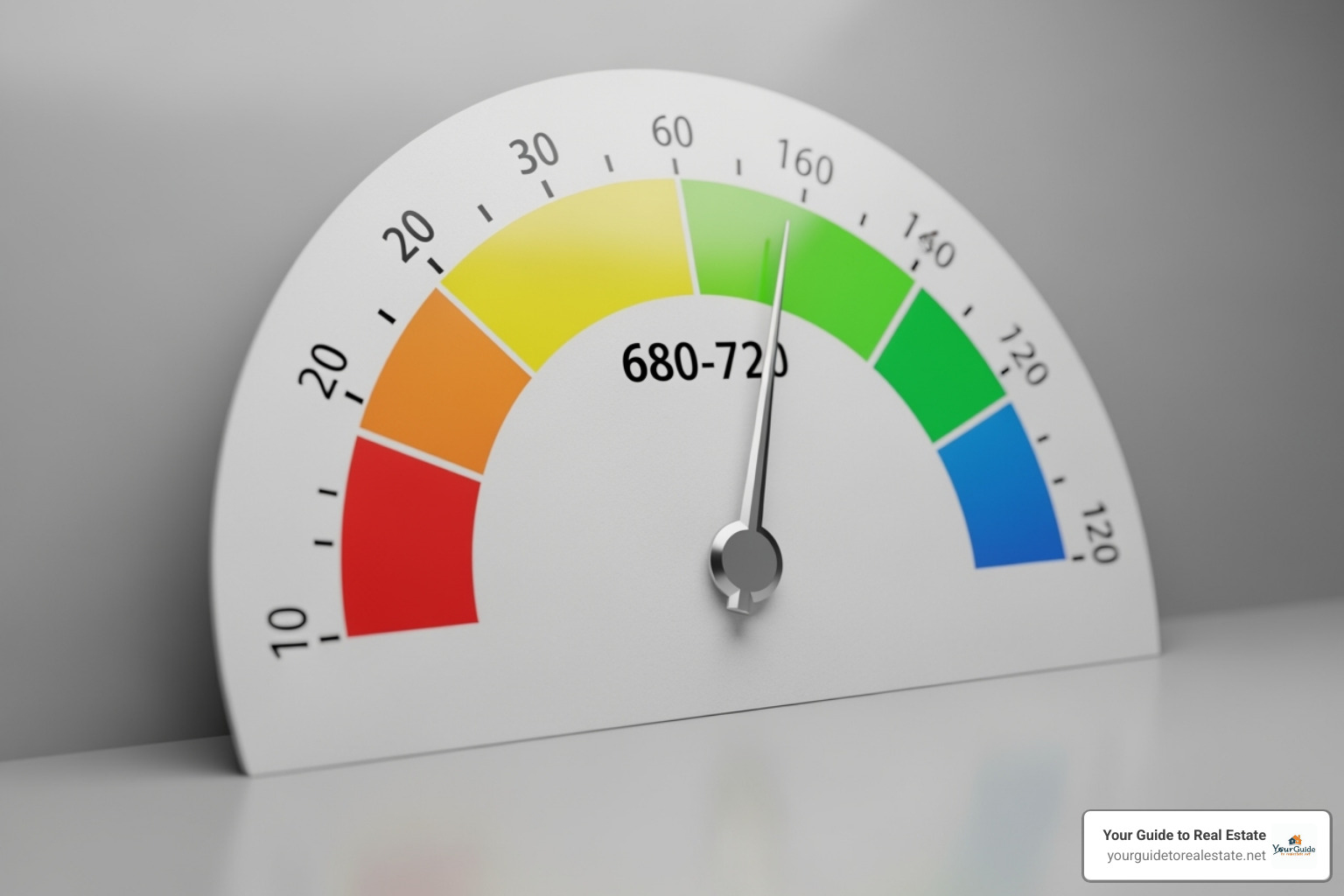
While DSCR loans focus on property performance, your personal financial profile still matters. Your credit score and down payment are your “entry ticket” to a DSCR loan.
Your credit score must meet certain benchmarks. Most lenders require a minimum score between 640 and 680. However, a credit score above 720 opens doors to better interest rates and more flexible terms. It proves you handle financial obligations responsibly, even though your income isn’t being scrutinized.
The down payment for DSCR loans is significant, typically 20% to 25% of the purchase price. This translates to a loan-to-value (LTV) ratio of 75% to 80%.
A larger down payment protects the lender against drops in property value and shows you have skin in the game. Borrowers with exceptional credit (740+) and high DSCR ratios might qualify for as little as 15% down, while others on the borderline might need 30% or more.
Unlike programs in our Down Payment Assistance guide, DSCR loans are strictly for investment properties, so first-time homebuyer programs don’t apply.
Eligible Properties, Loan Amounts, and Other Factors
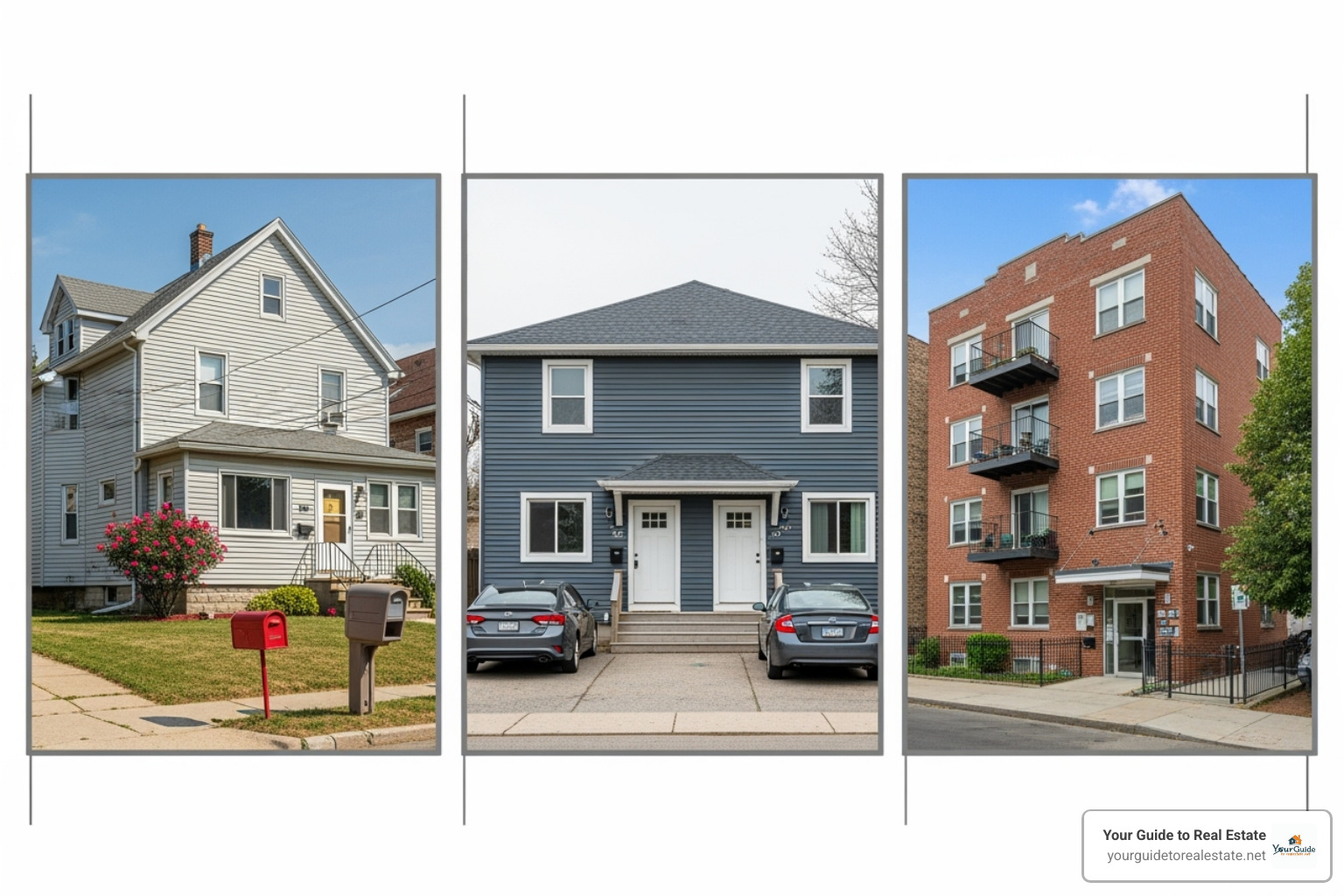
DSCR loans are flexible with property types but are exclusively for investment properties. You cannot live in a home purchased with a DSCR loan.
Single-family rentals and multi-unit buildings with 2-4 units (duplexes, triplexes, quadplexes) are common. They often offer good cash flow potential.
Warrantable condos and townhomes typically qualify, and some lenders finance non-warrantable condos if the numbers are strong. Small multi-family buildings with 5-8 units may also qualify, especially for experienced investors.
Short-term rentals (Airbnb, VRBO) are increasingly financed with DSCR loans. Lenders use specialized reports (e.g., from AirDNA) to project income and usually require higher credit scores (700+), larger down payments (25-30%), and proof of strong occupancy rates.
Properties that won’t qualify include owner-occupied homes, agricultural land, manufactured homes, and fixer-uppers needing significant repairs. Lenders prefer rent-ready properties with verifiable rental income.
Loan amounts typically range from $100,000 to over $3 million, with a sweet spot between $150,000 and $3.5 million.
Property and market conditions are crucial. The appraisal must support strong market rent projections to achieve the target DSCR. A property in poor condition may appraise for lower rent, hurting your ratio. Hot rental markets can boost your DSCR and improve loan terms, while softer markets may require a larger down payment.
The Pros and Cons of Using a DSCR Loan
Like any financial tool, DSCR loans have pros and cons. Understanding both sides is key to deciding if they fit your investment strategy. While these loans offer flexibility-especially with no personal income verification and the ability to finance multiple properties-it’s also important to know they typically have higher interest rates and require larger down payments than traditional loans.
Let’s explore their advantages and limitations.
Advantages for Real Estate Investors
DSCR loans offer compelling benefits for investors focused on building a portfolio.
The biggest advantage is no personal income verification. You don’t need to provide W-2s or tax returns, and your personal debt-to-income (DTI) ratio isn’t a factor. This is a major benefit for self-employed individuals, those with complex tax write-offs, or investors who value financial privacy. The loan qualifies based on the property’s income, not your personal earnings.
With less personal documentation to review, the result is often a faster approval process. Quicker approvals and closings can provide a competitive edge in a fast-moving market.
Another key perk is the ability to finance multiple properties. Traditional lenders often limit how many mortgages an individual can hold, but DSCR loans typically don’t have such restrictions. This is ideal for investors looking to scale their real estate portfolio.
For added security, DSCR loans often allow for asset protection using an LLC. You can take out the loan in your company’s name, which helps separate your personal assets from your investment properties.
Finally, these loans are flexible for non-traditional income. If your income fluctuates or you’re a business owner with complex financials, DSCR loans bypass the problems you might face with conventional lenders.
These advantages make DSCR loans a powerful tool for Property Investment, letting investors focus on asset performance rather than personal income statements.
Potential Disadvantages and Limitations
While DSCR loans offer great flexibility, it’s important to be aware of their downsides.
One of the main drawbacks is higher interest rates. As non-qualified mortgages (Non-QM) that rely on property performance, they generally have rates 1.00% to 2.50% higher than conventional investment property loans.
You’ll also need larger down payments. A 20-25% down payment is common, but some scenarios-like properties with a lower DSCR or short-term rentals-might require 30% or more.
Be prepared for prepayment penalties. Many DSCR loans include a fee if you pay off the loan early (by selling or refinancing), typically within the first 3-5 years. Some lenders offer “step-down” penalties (e.g., 3% in year one, 2% in year two, 1% in year three) or no-penalty options for a slightly higher interest rate.
Lenders also require cash reserves. You’ll need enough liquid cash to cover 3 to 6 months of the property’s PITIA (Principal, Interest, Taxes, Insurance, and Association Dues). For properties with a lower DSCR or for short-term rentals, this requirement could be 9 to 12 months.
Finally, a fundamental rule: DSCR loans are not for primary residences. They are designed exclusively for investment properties you do not intend to live in.
Who is the Ideal Candidate for a DSCR Loan?

DSCR loans are ideal for certain investors. Understanding if you fit the profile can help you choose the right financing strategy.
Experienced real estate investors often use DSCR loans to scale their portfolios. By removing personal income barriers, these loans allow you to focus on finding good deals rather than documenting your W-2 income for a traditional lender.
Self-employed individuals and business owners are prime candidates for DSCR loans. If you’re a freelancer, contractor, or entrepreneur, you may struggle to prove your income to traditional lenders, especially if you have significant business write-offs or fluctuating income. With DSCR loans, only the property’s rental potential matters.
Similarly, borrowers with complex tax returns benefit from the streamlined focus. If you have multiple income streams or deductions that don’t fit into traditional lending boxes, DSCR loans cut through the complexity by focusing on a simple question: can the property pay for itself?
Investors with multiple properties often face limits with conventional financing. Traditional lenders may cap the number of mortgages you can hold. DSCR lenders typically don’t have these restrictions, treating each property as a standalone investment.
First-time investors can also use DSCR loans, though some lenders prefer experienced investors. Newcomers who meet the other DSCR loan requirements can still qualify, although they might need a higher credit score or a larger down payment. It’s entirely possible to use a DSCR loan for your first investment property.
DSCR loans shift the focus from your personal finances to the property’s income potential. This makes them an excellent choice for anyone exploring flexible Mortgage Options Explained that prioritize real estate performance over traditional income verification.
Navigating the DSCR Loan Application Process

If a DSCR loan seems right for you, understanding the application process is the next step. While simpler than traditional mortgages, it involves several key stages to meet the dscr loan requirements.
First, find the right lender. Not all banks offer DSCR loans, so look for specialists in investor financing and “non-QM” products. These lenders understand investment properties and can guide you expertly. Many national lenders serve investors across the country, including in Dallas and Oklahoma City.
Next, aim for pre-approval. This gives you a clear idea of your borrowing capacity, making your offers more attractive. Lenders typically start with a ‘soft’ credit check and a review of preliminary property details.
After your offer is accepted, you’ll enter the underwriting process. The lender’s team will assess the property’s potential income, review your credit history, and ensure everything aligns with their specific dscr loan requirements. Their goal is to confirm the investment is sound for both parties.
Finally, the appraisal is a crucial step. A professional appraiser determines the property’s fair market value and includes a detailed market rent analysis, often using forms like 1007 or 1025. This projected rental income is vital, as it’s the foundation for calculating the Debt Service Coverage Ratio.
For a broader look at the home buying journey, check out our guide on the Loan Process for Buying a House.
Documentation Needed to Meet DSCR Loan Requirements
Although DSCR loans don’t require personal income verification, you’ll still need to provide several documents. Organizing your paperwork beforehand will streamline the process.
Here is a list of common documents you’ll need:
- Purchase Agreement: The signed contract for the property.
- Lease Agreements/Rent Rolls: For tenanted properties, provide existing lease agreements. For vacant or short-term rentals, the appraiser’s market rent analysis is key.
- Property Appraisal: The report including the property’s value and market rent analysis.
- Bank Statements: Typically 3 to 12 months of statements to verify you have sufficient cash reserves.
- Insurance Information: Proof of property insurance is required.
- Property Tax Records: Recent tax statements for the property.
- Entity Documents: If buying under an LLC, you’ll need formation documents, an operating agreement, and an Employer Identification Number (EIN).
- Credit Report: Your credit history is a vital part of the review.
- Identification: A valid government-issued ID.
Being responsive and transparent with your lender can significantly speed up the approval process.
Frequently Asked Questions about DSCR Loans
Let’s explore common questions from investors to clarify if DSCR loan requirements align with your goals.
How do DSCR loans differ from other investment property loans?
The main difference is the qualification method. Traditional investment property mortgages require W-2s, tax returns, and a personal debt-to-income ratio calculation. They ask, “Can you personally afford this payment?”
DSCR loans ask, “Can this property afford its own payment?” Your personal income is irrelevant; what matters is whether the rental income covers the mortgage.
Traditional investment loans also have limitations, such as capping the number of financed properties at 10. Qualifying can be difficult for self-employed individuals or those with complex tax returns.
Hard money loans are different. These are short-term, high-interest loans (often 12-18% interest) for quick purchases or renovations. An investor might use a hard money loan to fix a property, then refinance into a long-term DSCR loan. Hard money is a sprint; a DSCR loan is a marathon.
DSCR loans are built for long-term investment strategy, with 15, 30, or 40-year terms and much lower rates than hard money, making them ideal for buy-and-hold investors.
Can I use a DSCR loan to finance a property that needs repairs?
This can be tricky with DSCR loan requirements. Most lenders prefer properties that are rent-ready or can generate income immediately. They need to calculate the DSCR, which requires reliable rental income projections.
A property needing significant repairs (like a new roof or major plumbing) likely won’t qualify until the work is complete. Lenders are not interested in what a property could rent for after months of renovations.
However, properties needing only minor cosmetic work (fresh paint, new flooring) might still qualify if an appraiser can determine a reasonable market rent in its current condition.
For true fixer-uppers, a common strategy is to use a hard money loan for the purchase and renovation, then refinance into a DSCR loan once the property is rent-ready and generating income.
Is there a limit to how many properties I can finance with DSCR loans?
A major benefit for serious investors is that there’s typically no limit on the number of properties you can finance with DSCR loans. This is a significant advantage over conventional loans, which often follow agency guidelines like Fannie Mae’s 10-property limit.
Each property is evaluated on its own merit. As long as each property meets the DSCR loan requirements and you maintain strong credit and reserves, you can continue to grow your portfolio.
We’ve worked with investors who have financed dozens of properties this way. The key is maintaining strong fundamentals: positive cash flow on each property, adequate reserves, and a stable overall financial profile.
Some lenders may have their own portfolio guidelines, but these are lender-specific policies, not industry-wide rules. This makes DSCR loans a powerful tool for scaling an investment portfolio across different markets, whether in Dallas, Oklahoma City, or elsewhere in the United States.
Conclusion: Is a DSCR Loan Right for Your Investment Strategy?
We’ve covered how the Debt Service Coverage Ratio is calculated, the necessary documents, and the ideal investor profile. It’s clear that DSCR loans offer a fresh perspective on real estate investment financing.
These loans shift the focus to the property’s income-generating potential, rather than personal income statements. This makes them a powerful tool for self-employed individuals, investors with complex tax situations, or those looking to scale their portfolios beyond traditional lending limits.
To meet dscr loan requirements, lenders typically look for a DSCR ratio of 1.1x to 1.25x or higher, a credit score of at least 640-680, a down payment of 20-25%, and adequate cash reserves (usually 3-6 months of PITIA). The property must be an income-generating investment, not a primary residence. The property’s ability to perform is paramount.
If you value flexibility, a faster approval process, and want to scale your portfolio without personal income problems, a DSCR loan could be an excellent fit. At Your Guide to Real Estate, our goal is to provide you with the knowledge and a proven framework for stress-free success in the real estate market.
Understanding these dscr loan requirements is a crucial first step. We encourage you to explore whether DSCR loans align with your unique investment goals.
For more detailed information on various home loan options, Learn more with our beginner’s guide to home loans.