
Why Understanding Home Inspection Costs Matters for Smart Homebuyers
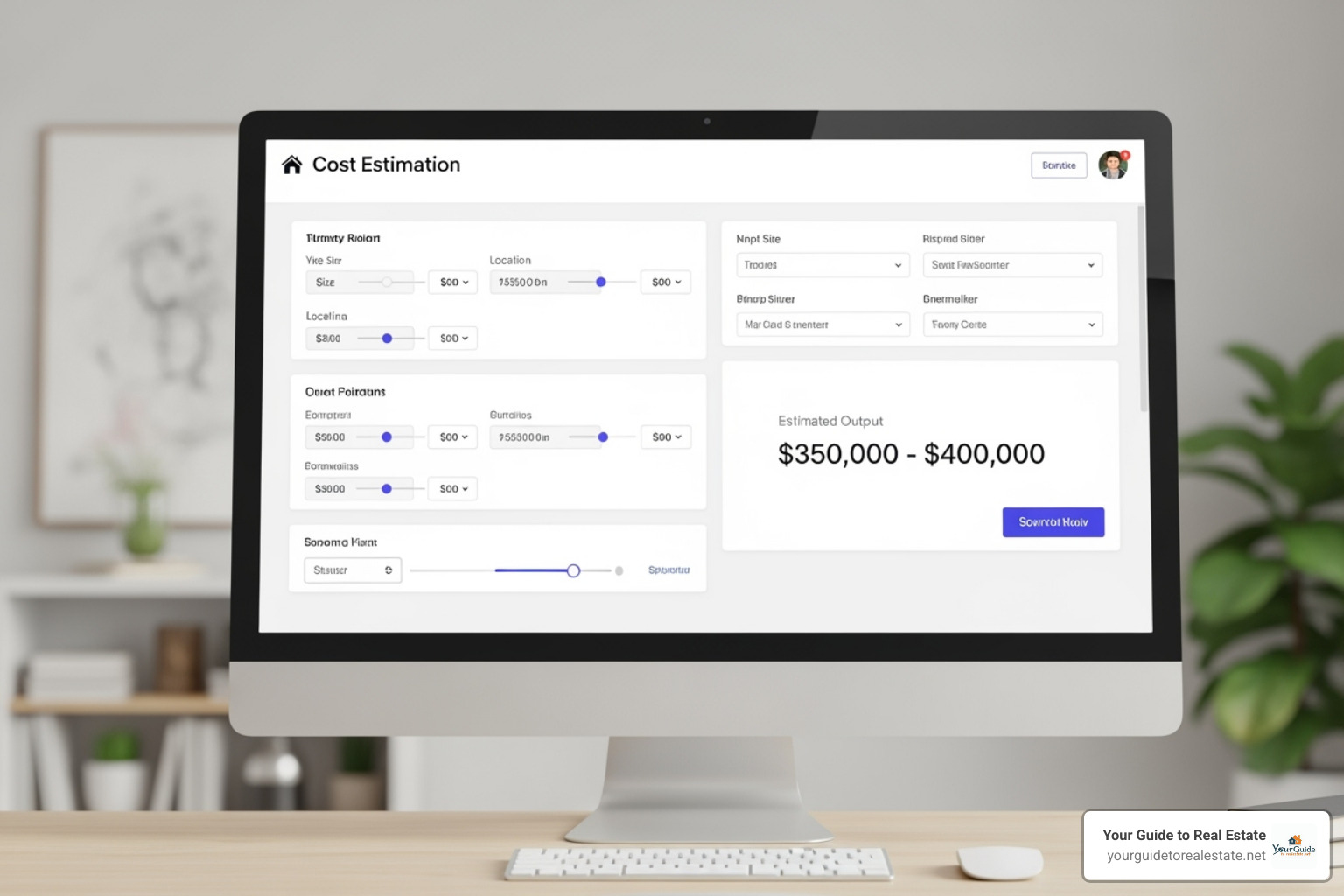
A home inspection cost calculator is a digital tool that estimates the price of professional home inspection services based on your property’s specific details like size, age, and location. These calculators help homebuyers budget for this crucial step in the purchasing process.
Quick Answer for Home Inspection Cost Calculators:
- Average national cost: $450-$550 for standard inspection
- Calculator inputs: Property size, age, location, foundation type
- Additional services: Radon ($100-$250), Sewer scope ($200-$350), Mold ($300-$500)
- Best use: Initial budgeting – always confirm with local inspector quotes
- Key benefit: Prevents surprise costs during your home purchase
The home buying process involves many unexpected expenses, but your inspection cost doesn’t have to be one of them. Research shows that 64% of homeowners are unaware of average home inspection costs, making cost calculators valuable planning tools.
Home inspections have become more expensive over the past decade, with prices increasing 60-80% since 2013. What used to cost around $300 now averages between $450-$550 nationally, with some high-cost areas like coastal California exceeding $1,000.
“A home inspection costs less than 0.1% of a home’s value and can save thousands in unknown repair costs,” notes industry research from companies analyzing over 400,000 home inspections.
These online calculators work by factoring in your property’s square footage, age, foundation type, and local market rates. While they provide helpful estimates, the final quote from your chosen inspector may vary based on their experience, travel distance, and specific service packages.
Understanding inspection costs upfront helps you make informed decisions about this essential investment in your home purchase. After all, the average home requires over $11,000 in repairs – making that $500 inspection fee look like smart money.
Explore more about home inspection cost calculator:
How a Home Inspection Cost Calculator Works
Think of a home inspection cost calculator as your personal budgeting assistant for one of the most important purchases you’ll ever make. We know how overwhelming the home buying process can be, especially when unexpected costs keep popping up. That’s where these handy tools come in – they bring much-needed transparency to what can often feel like a mysterious pricing process.
The main purpose is simple: give you a realistic estimate of what you’ll pay for professional home inspection services before you’re surprised by the bill. These calculators take the guesswork out of budgeting and help you plan your home buying expenses more confidently.
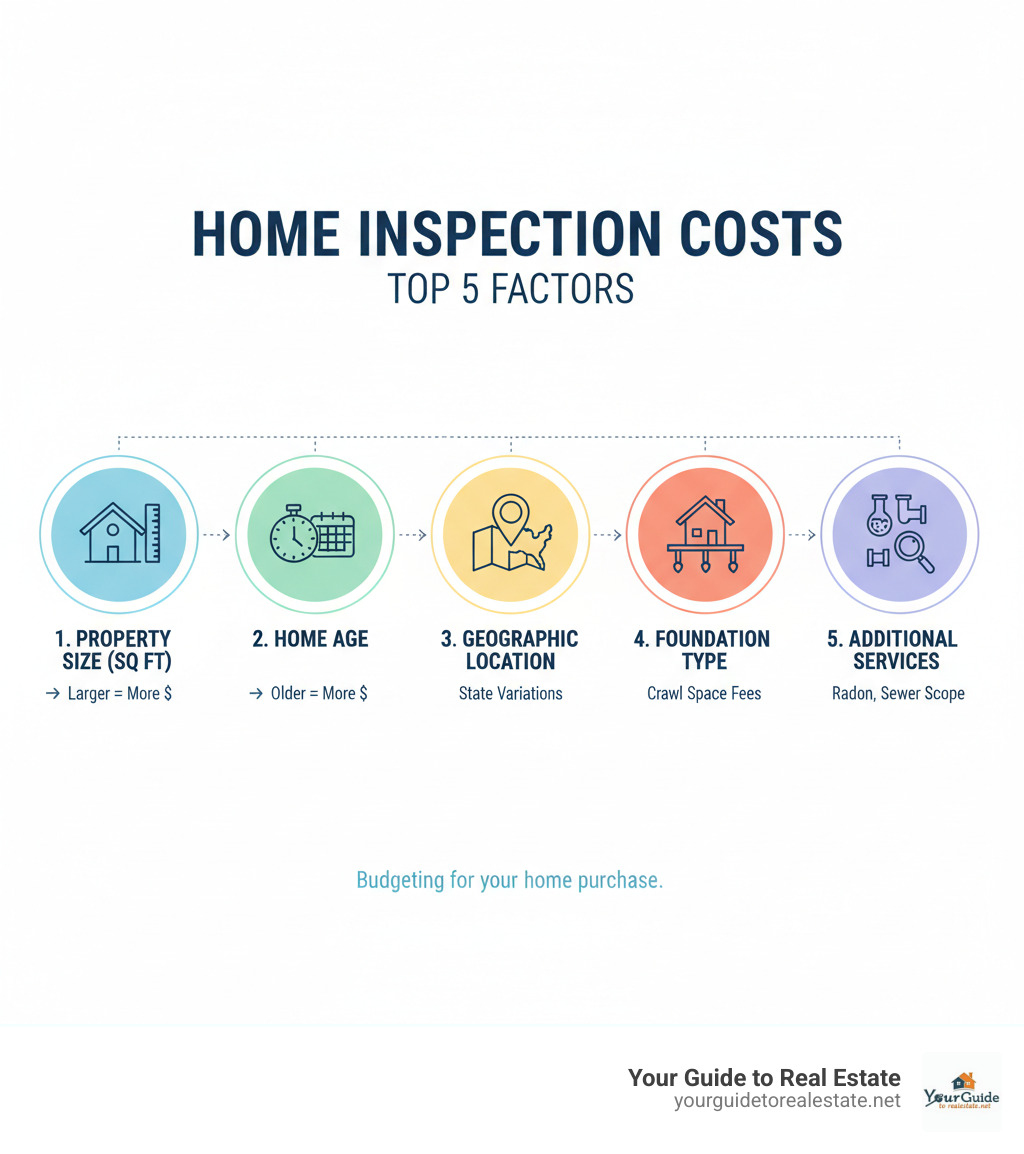
When you use one of these calculators, you’ll typically need to provide some basic details about your potential new home. The property size in square feet is usually the biggest factor – larger homes simply take more time to inspect thoroughly. Your home’s age matters too, since older properties often require more detailed examination of aging systems. Location plays a huge role because inspection costs vary dramatically from state to state and even between urban and rural areas.
You’ll also select any optional services you might want, like radon testing or sewer scope inspections. These add-ons can significantly impact your total cost, but they’re often worth considering for peace of mind.
Here’s something important to remember: these calculators provide an estimation, not an actual quote. Think of it as a helpful starting point for your budget, not a final price tag. The real quote from your chosen inspector might be different, and that’s perfectly normal.
Most inspectors set their prices using what’s called a base price model. They start with a minimum fee, then add charges based on factors like your home’s size, age, and how far they need to travel. Some inspectors use per-square-foot pricing, which can make costs more predictable for larger homes.
While these online tools are incredibly useful, they do have limitations. They can’t account for every unique aspect of your property – like that quirky addition from the 1970s or the inspector’s specific expertise level. They also can’t factor in individual company overhead costs or special service packages that might actually save you money.
For more comprehensive guidance on the entire home buying journey, check out our easy steps to buying your first home.
Using an Online Home Inspection Cost Calculator
Using a home inspection cost calculator is refreshingly straightforward – no advanced degree required! We’ve designed this process to be as user-friendly as possible because you’ve got enough stress in your life already.
Entering property size is your first step. You’ll input the total square footage of the home, but pay attention to whether the calculator wants you to include basements, attics, or covered porches. These spaces can affect both the inspection time and cost, so accuracy matters here.
Next comes the home age – simply enter the year your potential home was built. Don’t worry if you’re not exactly sure; even a rough estimate helps. Homes built before 1980 often require more detailed inspections due to older electrical systems, plumbing, and potential lead paint or asbestos concerns.
Location details come next. Most calculators ask for the city, state, and zip code. This isn’t just for show – inspection costs can vary by hundreds of dollars between different regions. A standard inspection in rural Kansas will cost significantly less than the same service in downtown San Francisco.
Selecting optional services is where things get interesting. You might see options for radon testing, mold inspections, or sewer scope services. Don’t feel pressured to check every box, but do consider your home’s age, location, and any specific concerns you might have.
Finally, reviewing the estimate gives you that crucial budget number. The calculator will typically show a price range rather than a single number, which reflects the reality that different inspectors have different rates and service levels.
Why Calculator Estimates Differ from Final Quotes
Don’t panic if your actual inspector quote doesn’t match your calculator estimate exactly. This happens more often than you’d think, and it’s not because the calculator is broken or the inspector is trying to trick you.
Inspector experience plays a huge role in pricing. A seasoned professional with specialized certifications might charge more than a newer inspector, but they often bring invaluable expertise that can save you thousands in the long run. Think of it like choosing between a general practitioner and a specialist – both are qualified, but their experience levels and fees differ.
Company overhead varies dramatically between businesses. A large inspection company with fancy equipment and multiple locations will have different costs than a solo inspector working from their home office. Neither approach is inherently better, but the pricing reflects these operational differences.
Many inspectors offer service package discounts when you bundle multiple services together. Your calculator might price each service separately, but your inspector could offer a deal for combining your standard inspection with radon testing and a sewer scope.
Travel fees can add unexpected costs if your property is far from the inspector’s usual service area. Most inspectors charge extra for distances over 20 miles, typically $1-2 per mile. Rural properties or homes in less common areas might see higher travel charges.
Property complexity is something no calculator can fully predict. A home with multiple additions, unusual features, or systems that don’t match the original construction will naturally take longer to inspect properly. More time means higher costs, but also more thorough protection for your investment.
The goal isn’t to find the cheapest inspector – it’s to find the best value for a service that could save you thousands in unexpected repairs. Understanding how inspections fit into your overall purchase agreement is crucial, especially when it comes to contingencies. Learn more about what does contingent mean in real estate to better understand this important aspect of your home purchase.
Key Factors That Determine Home Inspection Costs
Understanding what drives home inspection costs helps you make sense of the numbers a home inspection cost calculator spits out. Think of it like ordering a custom meal – the base price gets adjusted based on portion size, special ingredients, and how much work the chef needs to put in.
The beauty of knowing these factors is that you won’t be surprised when quotes vary between inspectors or when your calculator estimate differs from the real thing. Each home tells its own story, and that story directly impacts what you’ll pay for a thorough inspection.
Property size tops the list as the biggest cost driver – it’s pretty straightforward math that a 4,000 square foot home takes longer to inspect than a cozy 1,200 square foot starter home. But size isn’t everything. A well-maintained newer home might breeze through inspection, while an older property with character (and quirks) could have the inspector scratching their head for hours.
Geographic location plays a huge role too. An inspection in rural Kansas won’t cost the same as one in downtown San Francisco, just like everything else in those markets. Your local cost of living, demand for inspectors, and regional building practices all factor into the final price.

Property Size and Type
When it comes to home inspections, square footage is king. More space simply means more systems to check, more outlets to test, and more time spent crawling around looking for potential issues. Most inspectors use square footage tiers to structure their pricing, creating predictable ranges you can count on.
Smaller homes under 1,000 square feet typically run between $242 and $350 for inspection. These compact spaces are quicker to evaluate, but don’t expect a huge discount – inspectors still need to check all the same systems, just in a tighter package.
Mid-size homes between 1,000 and 2,000 square feet fall into the $280 to $500 range, which covers most starter homes and smaller family properties. Larger homes from 2,000 to 3,000 square feet bump up to $307 to $600+, while really big homes over 4,000 square feet can hit $421 or more.
The type of property matters just as much as size. Single-family homes usually carry a minimum fee around $425, since they have all their own systems and no shared responsibilities with neighbors.
Condos offer some savings because you’re only inspecting your unit, not the whole building. A typical condo inspection starts around $200 for smaller units, since the HOA handles major systems like roofing and exterior maintenance. If you’re weighing different property types, our condo vs. townhouse ultimate guide breaks down what to expect from each.
Mobile homes have their own pricing structure based on their unique construction. A single-wide unit might cost $200-$300 to inspect, while a double-wide could run $250-$450. Multi-unit buildings like duplexes naturally cost more since you’re essentially getting multiple inspections in one visit.
Home’s Age and Foundation
Older homes cost more to inspect – it’s that simple. Houses built before 1980 often add $100-$200 to your inspection bill, and for good reason. These properties have seen decades of wear, multiple owners with different maintenance standards, and construction methods that don’t always match today’s codes.
Pre-1980s homes present unique challenges that require extra time and expertise. Electrical systems might be outdated, plumbing could involve materials no longer used, and there’s always the possibility of hazardous materials like asbestos or lead paint. While testing for these isn’t always included in a standard inspection, their potential presence makes everything more complex.
Foundation types significantly impact both inspection difficulty and cost. Crawl spaces often trigger additional fees – around $25 extra is common – because they’re genuinely unpleasant to inspect. One inspector joked that the extra charge is “spider hazard pay,” but the real reason is that crawl spaces are tight, dark, and prone to moisture issues that require careful examination.
Slab foundations are the inspector’s friend – easy to assess from above and below ground level. Basement inspections add complexity, especially finished basements where inspectors need to check for proper finishing, water intrusion, and structural integrity behind walls and ceilings.
The foundation type affects how thoroughly an inspector can evaluate your home’s structural elements, moisture control, and mechanical systems, which directly translates to time spent and expertise required.
Geographic Location and Regional Pricing
Where you live dramatically impacts what you’ll pay for a home inspection. Cost of living differences create huge variations across the country – what costs $400 in rural Oklahoma might run $800 in coastal California.
State-by-state price differences reflect local market conditions, inspector availability, and regional construction practices. Texas inspections typically range from $298 to $423, while Oklahoma runs $287 to $410. But head to coastal California and you’re looking at $650 to $1,000+, with some premium areas exceeding even that range.
The Northeast commands $600 to $900 for inspections, while Midwest markets stay more reasonable at $400 to $600. Southern states generally fall between $400 and $700, though major metros can push higher. Alaska and Hawaii represent the extreme end at $700 to $1,200+ due to their unique logistics and limited inspector pools.
Urban versus rural costs create another layer of variation. City inspections cost more due to higher overhead and demand, while rural properties might include travel fees if you’re far from the inspector’s base. Understanding your local market helps set realistic expectations – if you’re in the Dallas real estate market, you’ll want to factor in big-city pricing for all your transaction costs.
Market demand also influences pricing. In hot real estate markets where inspectors stay busy, prices tend to rise. During slower periods, you might find more competitive rates or package deals that include multiple services.
Standard vs. Specialized Inspections: What’s Included?
When you’re budgeting with a home inspection cost calculator, it’s important to understand what you’re actually getting for your money. A standard home inspection is like getting a comprehensive health checkup for your potential new home – it’s a visual, non-invasive examination that looks at all the major systems and components you can readily access.
Think of your inspector as a detective with trained eyes. They’re looking for significant defects and safety concerns that could affect your buying decision or become expensive problems down the road. However, they’re not magicians – they can’t see through walls or predict the future performance of your home’s systems.
The beauty of a standard inspection lies in its thoroughness within reasonable limits. Your inspector will crawl through crawl spaces, climb into attics, and test electrical outlets, but they won’t tear apart walls or dismantle your furnace. It’s designed to give you a clear picture of what you’re buying without causing any damage to the property.
But here’s where it gets interesting – and where many homebuyers find additional value. A standard inspection doesn’t cover everything, and that’s where specialized services come into play. These additional tests can uncover hidden issues that could cost you thousands later. We often recommend considering these extras, especially for older homes, properties in certain geographic areas, or when you have specific concerns about issues like water quality or pest damage.
What a Standard Home Inspection Covers
Your standard home inspection is remarkably comprehensive, covering all the major systems that keep your home safe, comfortable, and functional. When you use a home inspection cost calculator to estimate costs, this is typically what you’re paying for in the base price.
The inspection starts with the structural components – your home’s foundation, any basement or crawl space areas, and the structural framing that holds everything together. This is literally the backbone of your investment, so it gets careful attention.
Moving to the exterior, your inspector examines the walls, siding, trim, windows, doors, driveways, walkways, and even how water drains away from your home. Poor grading can lead to water problems, so this seemingly simple check can save you major headaches.
The roofing system gets a thorough look, including the roof covering, flashing around chimneys and vents, gutters, and downspouts. Since roof repairs can easily run into thousands of dollars, this part of the inspection often provides tremendous value.
Your home’s plumbing inspection covers the water supply and distribution systems, drain and waste systems, water heaters, and functional flow at fixtures. The inspector will run faucets, flush toilets, and check for leaks or pressure issues.
The electrical system examination includes the main service entrance, electrical panel, branch circuits, outlets, switches, and proper grounding. This is crucial for both safety and functionality – electrical problems can be fire hazards.
HVAC systems get tested for proper operation, including heating and cooling equipment, ductwork, and ventilation. Your inspector will run the systems to ensure they’re working properly and efficiently.
Interior components like walls, ceilings, floors, doors, windows, and stairs are checked for damage, proper operation, and safety concerns. This includes testing windows and doors to ensure they open, close, and lock properly.
Insulation and ventilation in attics, crawl spaces, and unfinished basements are evaluated for adequacy and proper installation. Poor insulation can significantly impact your energy bills.
Finally, built-in kitchen appliances like ovens, dishwashers, and garbage disposals get basic operational testing to ensure they’re working when you move in.
We always recommend asking your inspector for their specific checklist before the inspection begins. This ensures you understand exactly what they’ll be examining. To help you make sense of your inspection report once you receive it, we’ve created a FREE home inspection checklist that you can use as a reference guide.
Common Add-On Services and Their Costs
While a standard inspection covers the major systems, there are several areas where specialized testing can provide valuable additional insights. These add-on services have become increasingly popular as homebuyers recognize their value in preventing costly surprises.
Sewer scope inspections have become almost standard practice, and for good reason. Using a specialized camera, inspectors can see inside your main sewer line to check for blockages, cracks, tree root intrusion, or other damage. We’ve seen too many homebuyers face $6,000+ repair bills for sewer line replacements due to tree roots that could have been detected beforehand. These inspections typically cost $200-$350 and can save you thousands. For more detailed information about this service, check out these sewer scope inspection details.
Radon testing measures levels of this colorless, odorless radioactive gas that can cause lung cancer. The cost ranges from $100-$250, but the health implications make it invaluable in areas where radon is common. Before deciding on this test, we recommend checking the EPA map to find local radon zones to see if your area has liftd risk levels.
Mold inspections become important when you notice signs of water damage, musty odors, or visible growth. These inspections often include air and surface samples and typically cost $300-$500. Given that mold remediation can cost thousands, this testing can provide peace of mind or early warning of expensive problems.
Termite and wood-destroying organism (WDO) inspections look for damage from termites, carpenter ants, and wood-boring beetles. Many lenders require this inspection, and it typically costs $150 or more. The damage these pests can cause often far exceeds the inspection cost.
For homes with private wells and septic systems, specialized testing becomes essential. Well water quality and volume testing, along with septic system functionality inspections, typically cost $300-$600. Since you won’t have municipal services to fall back on, knowing these systems work properly is crucial.
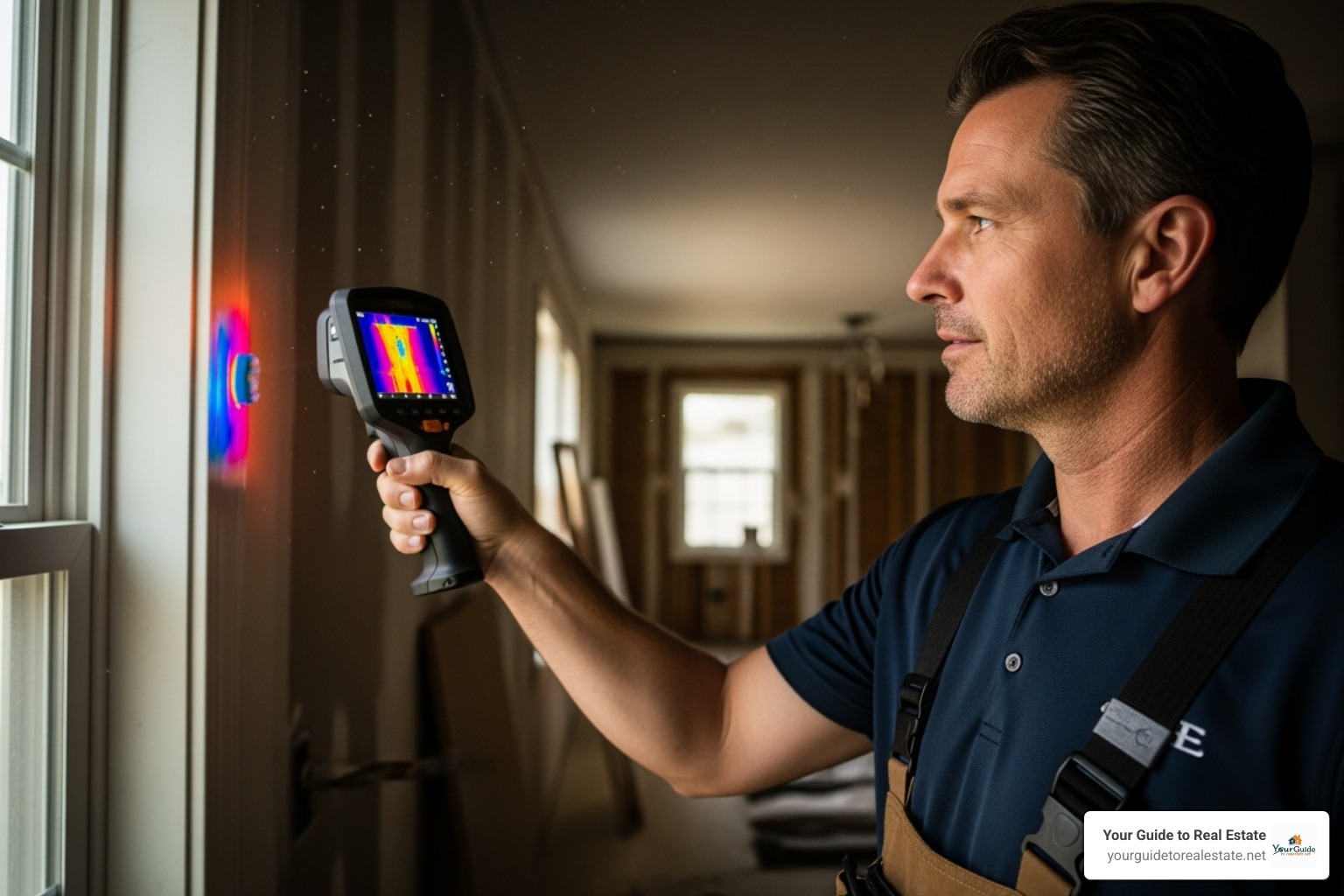
Infrared thermal imaging has become increasingly popular, adding $300-$500 to your inspection cost. This technology can detect hidden moisture, missing insulation, electrical hot spots, and other issues invisible to the naked eye. It’s like giving your inspector X-ray vision.
Four-point inspections focus specifically on roof, electrical, plumbing, and HVAC systems. Insurance companies often require these for homes over 30 years old, and they typically cost $50-$100. While focused, they provide detailed information about the systems most likely to need attention in older homes.
Additional services like pest inspections beyond wood-destroying organisms ($75-$150), air quality testing ($200-$700), and asbestos or lead paint testing ($500+ for older homes) can provide additional peace of mind depending on your specific situation and concerns.
When planning your inspection budget with a home inspection cost calculator, consider which of these additional services might be relevant for your specific property and situation. The relatively small additional cost often provides tremendous value compared to the potential repair costs they might uncover.
Maximizing Value: Is an Inspection Worth the Price?
When you’re staring at a home inspection cost calculator showing $500-$600 for your inspection, it’s natural to wonder if it’s worth the expense. We get it – you’re already stretching your budget for the down payment, closing costs, and moving expenses. But here’s the reality: a home inspection isn’t just another expense on your growing list. It’s one of the smartest investments you’ll make in your entire home buying journey.
Think about it this way – the average home requires over $11,000 in repairs after purchase. That inspection fee suddenly looks pretty reasonable, doesn’t it? Our study on common repairs reveals just how expensive those “surprise” issues can become. A faulty HVAC system alone can cost $5,000-$10,000 to replace, while a roof replacement might run $15,000-$30,000.
The power of negotiation is where your inspection really pays for itself. When your inspector finds that the electrical panel needs updating or the water heater is on its last legs, you’re not stuck with the bill. Instead, you can ask the seller to fix the issues, provide a credit at closing, or reduce the home’s price. We’ve seen buyers save thousands of dollars through these negotiations – sometimes ten or twenty times what they paid for the inspection.
But the real value goes deeper than just finding problems. A thorough inspection uncovers hidden defects that could turn your dream home into a money pit. Issues like foundation settling, hidden water damage, or outdated wiring aren’t always visible during a casual walkthrough. Professional inspectors know exactly where to look and what warning signs to watch for.
The high cost of unknown repairs makes this investment a no-brainer. Imagine finding six months after moving in that your beautiful hardwood floors are hiding a major plumbing leak, or that the “minor” crack in the basement wall indicates serious structural issues. These findies become your financial responsibility once you own the home.
For guidance on building a strong team of professionals to support your purchase, check out our guide on how to choose the right real estate agent.
Who Pays and How to Save Money
In most cases, you as the buyer will pay for the home inspection. This makes sense because you’re the one who benefits from knowing about potential problems. The inspection typically happens within your 10-day inspection period after your offer is accepted, giving you time to review the results and negotiate if needed.
However, there are situations where sellers might cover the inspection cost. This usually happens when they’re eager to close quickly or when they’re trying to make their home more attractive in a competitive market. It never hurts to ask during negotiations, especially if you’re in a buyer’s market.
Smart ways to save money on your inspection include bundling services together. Many inspectors offer package deals when you combine a standard inspection with add-ons like radon testing or a sewer scope. You might save $50-$100 compared to ordering these services separately.
First-time homebuyer programs sometimes include inspection discounts or credits. Ask your lender or real estate agent about any available programs in your area. Some inspectors also offer discounts during slower seasons when demand drops.
Comparing quotes from multiple inspectors is essential, but the cheapest option isn’t always the best value. A thorough inspector who charges $100 more but catches a $5,000 problem is worth every penny. Focus on finding the right balance of experience, thoroughness, and fair pricing.
Understanding the broader picture of real estate costs, including who pays Realtor fees, helps you budget more effectively for your entire purchase.
How to Find and Choose a Qualified Inspector
Finding the right inspector is crucial because not all inspections are created equal. While your real estate agent’s recommendations can be helpful, we always encourage doing your own research too. After all, this person will be examining what might be your largest investment.
Start with recognized certifications from professional organizations like ASHI (American Society of Home Inspectors) or InterNACHI (International Association of Certified Home Inspectors). These certifications mean the inspector follows strict standards and continues their education regularly.
Check reviews and ask the right questions when you call potential inspectors. A red flag we always mention: if an inspector gives you a quote without asking about the home’s size, age, and location, walk away. Professional inspectors need these details to provide accurate estimates.
Key questions to ask include their experience level, what exactly they’ll inspect, how long it will take, and when you’ll receive the report. Ask about their insurance coverage and whether they have experience with homes similar to yours. Older homes or unique properties require inspectors with specialized knowledge.
Request a sample report to see how detailed and clear their findings are. A good report should include photos, explanations of problems, and recommendations for next steps. Avoid inspectors who provide only basic checklists without explanations.
Plan to attend the inspection if possible. Most inspectors welcome buyers because it’s a great learning opportunity. You can ask questions, see issues firsthand, and get tips for maintaining your new home’s systems.
Use resources like the certified inspector directory to find qualified professionals in your area. Before making your final choice, read our article about 7 questions your home inspector doesn’t want you to ask – it’ll help you evaluate their responses and choose wisely.
The difference between a good and mediocre inspector might only be $100-$200, but the difference in what they catch could save you thousands. This is definitely not the place to cut corners in your home buying budget.
Frequently Asked Questions about Home Inspection Costs
How long does a home inspection typically take?
When you schedule your home inspection, you’ll want to block out a good portion of your day. A standard home inspection typically takes 2 to 4 hours to complete, though this can vary quite a bit depending on your specific situation.
The size of your home is the biggest factor. A cozy 1,200-square-foot bungalow will obviously take less time than a sprawling 4,000-square-foot estate. But it’s not just about square footage – the age of your home plays a huge role too.
Older homes, especially those built before 1980, often require more detailed examination. These properties may have outdated systems, multiple additions built to different codes, or simply more wear and tear that needs careful documentation. A dedicated inspector might spend up to 5 hours on a complex older property.
The condition of the home also matters. If the inspector finds multiple issues – like electrical problems, plumbing leaks, or structural concerns – they’ll need extra time to properly document each finding with photos and detailed notes.
Here’s what we’ve learned from working with countless homebuyers: a thorough, independent inspector typically spends 2.5 to 5 hours on average. This might seem like a long time, but remember – rushing through an inspection defeats the purpose. You want someone who takes their time to uncover potential problems.
After the physical inspection wraps up, you won’t get your report immediately. Most inspectors deliver their detailed findings within 24 to 48 hours. This report will include photos, explanations of any issues, and recommendations for next steps.
What fixes are mandatory after a home inspection?
This question catches many first-time homebuyers off guard, but here’s the truth: sellers are not legally required to repair any issues found during a home inspection in most states. The inspection report serves as information, not a repair mandate.
However, before you panic, understand that this doesn’t leave you powerless. The inspection becomes your negotiation tool, and that’s where its real value shines.
Lender-required repairs are the main exception to this rule. If you’re getting a mortgage, your lender may demand certain fixes before approving your loan. These typically involve serious safety hazards, structural defects, or building code violations that could affect the home’s value or your ability to get insurance.
The real power of your inspection report comes during negotiation. Armed with documented issues, you can request that the seller make specific repairs before closing, offer you a credit to cover repair costs, or reduce the purchase price accordingly. Issues like active mold, exposed wiring, or a leaking roof often become high-priority negotiation points.
If you and the seller can’t reach an agreement on addressing significant problems, your inspection contingency typically allows you to walk away from the deal. This protects you from inheriting costly problems that weren’t disclosed upfront.
The key is working with your real estate agent to prioritize which issues matter most. Some problems are deal-breakers, while others might be minor inconveniences you can live with. For insights into what buyers commonly request, check out resources on common repair requests.
What is the cost difference for a new construction inspection?
Many people assume new construction doesn’t need inspection, but we strongly disagree. Even brand-new homes can have defects, and catching them early saves you headaches later. The good news? New construction inspections often cost less than inspecting older homes.
You’ll typically encounter three types of new construction inspections, each serving a different purpose:
A pre-drywall inspection happens after framing, plumbing, and electrical work is complete but before the walls are closed up. This is your only chance to see these hidden systems, making it incredibly valuable. These inspections typically cost $100 to $400 and can catch issues that would be expensive to fix later.
The final walkthrough inspection occurs just before closing and resembles a standard home inspection. It ensures everything was completed according to plans and identifies any last-minute problems. Expect to pay $200 to $400 for this comprehensive check.
An 11-month warranty inspection takes advantage of your builder’s one-year warranty. Conducted around month 10 or 11, it identifies any issues that have developed since you moved in, giving you time to submit warranty claims. This specialized service typically costs $250 to $350.
Overall, new construction inspections can be slightly less expensive than inspecting complex older homes, but the value they provide in catching builder oversights is immense. Even the best builders make mistakes, and construction crews sometimes cut corners.
Using a home inspection cost calculator for new construction can help you budget for these important safeguards. The small investment in inspection fees pales compared to the potential cost of unfinded defects. For more information about building costs and considerations, explore our guide on how much does it cost to build a house.
The Future of Inspections and Final Thoughts
The home inspection industry stands at an exciting crossroads, where traditional expertise meets cutting-edge technology. We’re witnessing changes that promise to make inspections more thorough, safer, and potentially more affordable in the long run.
Drones are revolutionizing roof inspections, allowing inspectors to safely examine steep, damaged, or dangerous rooftops without climbing ladders. This technology provides crystal-clear imagery of problem areas while keeping inspectors safe on the ground. What used to require risky climbs and potentially incomplete assessments now offers comprehensive documentation of every shingle, flashing, and gutter.
AI-assisted reports represent another fascinating development. Artificial intelligence is beginning to help inspectors analyze data patterns, identify potential red flags, and generate more detailed, consistent reports. Industry predictions suggest that AI-assisted inspections could actually lower standard inspection costs by 2035, though specialized services might become pricier as technology advances.
Smart home technology integration is becoming essential as modern homes feature increasingly sophisticated systems. Today’s inspectors need to understand how to evaluate integrated security systems, smart thermostats, automated lighting, and connected appliances. This evolution means inspectors are constantly learning new skills to keep pace with home technology.
The tools themselves are getting smarter too. Improved thermal imaging cameras can now detect energy inefficiencies, hidden moisture problems, and electrical hotspots with remarkable precision. Meanwhile, advanced sewer cameras provide clearer views deep into plumbing systems, catching issues that would have gone unnoticed just a few years ago.
Looking ahead, we anticipate that more states will mandate specialized inspections by 2030. Requirements for sewer scoping, radon testing, and detailed structural assessments are likely to become standard practice rather than optional add-ons. This shift reflects growing awareness of these critical safety and financial concerns.
By 2040, fully automated inspections using high-tech tools and artificial intelligence may reduce standard inspection costs, though compliance with new regulations could increase overall expenses. The trade-off will likely be worth it – more thorough inspections at competitive prices.
Despite these exciting changes, one truth remains constant: home inspections are a crucial investment in your financial security and peace of mind. Yes, costs have risen due to inflation, labor shortages, and increased market demand. But the value of a thorough inspection still far outweighs the expense when you consider that the average home needs over $11,000 in repairs.
At Your Guide to Real Estate, we believe in empowering you with knowledge and providing a proven framework for stress-free real estate success. Understanding how to use a home inspection cost calculator for accurate budgeting, recognizing the factors that influence pricing, and choosing a qualified inspector are all part of making confident, informed decisions about your next home purchase.
Your inspection investment today protects your financial future tomorrow. Whether you’re buying your first home or your fifth, never skip this critical step. The few hundred dollars you spend on a quality inspection could save you thousands in unexpected repairs and give you the negotiating power to secure the best possible deal.
Ready to dive deeper into property valuation and make even smarter real estate decisions? Explore our comprehensive resources on real estate valuation and market analysis to continue your journey toward real estate success.