Why Understanding Home Inspection Timeframes Is Essential for Buyers
How long does a home inspection take is one of the most common questions buyers ask when navigating the home buying process. The short answer: most inspections take 2-4 hours for an average-sized home, but the actual time can vary significantly based on several key factors.
Quick Answer:
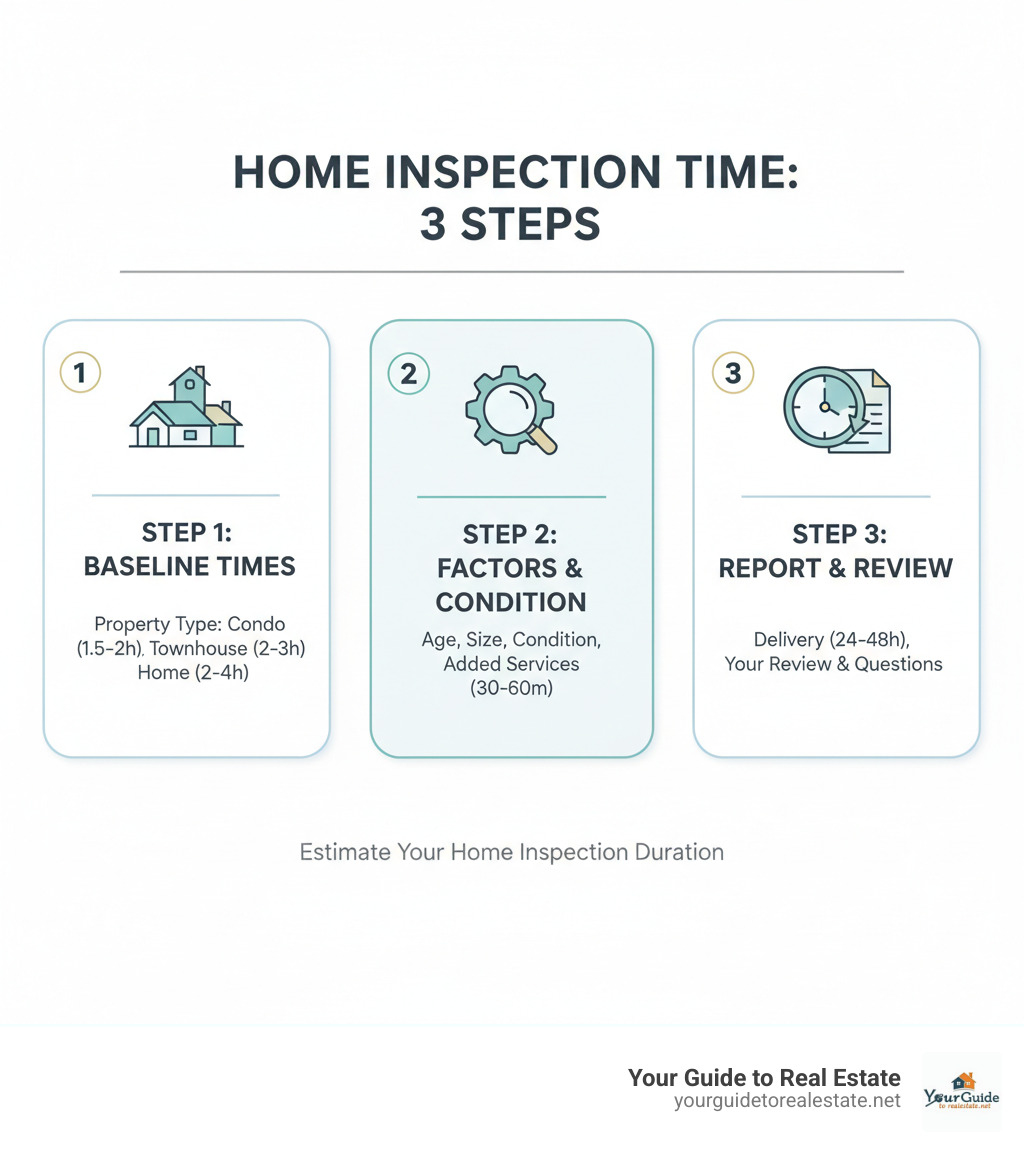
- Condos: 1.5-2 hours
- Townhouses: 2-3 hours
- Single-family homes: 2-4+ hours
- Large or older homes: 4-6+ hours
- Additional services: Add 30-60 minutes each
As one experienced Massachusetts Realtor notes: “Purchasing a home can be one of the most simultaneously exciting and stressful processes anyone will go through.” Understanding how long your inspection will take helps you plan accordingly and reduces that stress.
The inspection timeline affects your entire buying schedule. You’ll need to coordinate with your agent, potentially take time off work, and plan for the 24-48 hours it takes to receive the detailed report afterward. More importantly, knowing what influences inspection duration helps you set realistic expectations and avoid surprises on inspection day.
Whether you’re buying your first condo or your fifth single-family home, the inspection is your last chance to identify potential problems before closing. The time invested in a thorough inspection can save you thousands in unexpected repairs later.
Basic how long does a home inspection take terms:
Step 1: Understand the Baseline Average Inspection Times
Before diving into all the variables that can affect your inspection timeline, let’s establish some realistic baselines. How long does a home inspection take for most properties? You’re looking at 2-4 hours as your starting point, but this can shift quite a bit depending on what you’re buying.
Think of this timeframe as your foundation for planning. You’ll want to block out at least half a day, and possibly more if you’re dealing with a larger or older property. The good news? Once you understand these baseline times, you can set proper expectations and avoid any surprises on inspection day.
How Inspection Time Varies for Different Properties
The type of property you’re purchasing makes a huge difference in timing. A cozy condo inspection moves much faster than examining a sprawling single-family home, and here’s why.
Condo inspections typically wrap up in about 1.5-2 hours. Why so quick? You’re only responsible for what’s inside your unit’s walls. The roof, foundation, and major building systems are the HOA’s responsibility, so your inspector focuses on your individual space. Less to examine means less time needed.
Townhouse inspections fall right in the middle at 2-3 hours. You’ll have more individual systems than a condo owner—often your own roof, HVAC, and utilities—but you’re still sharing some walls and infrastructure. It’s a sweet spot that doesn’t require the full examination of a detached home.
Single-family homes need the full treatment, typically taking 2-4+ hours. Your inspector examines everything from the roof peak to the foundation floor because it’s all your responsibility. Larger homes can easily stretch to 4-6 hours or more, especially if there are multiple levels, outbuildings, or complex layouts to steer.
For a deeper understanding of these property differences, our Condo vs. Townhouse: Ultimate Guide breaks down what you’ll own versus what the association maintains.
The General Rule of Thumb for Home Size
Square footage is your best friend when estimating inspection time. More space means more systems, more rooms, and more potential issues to document.
Most homes fall between 1,500-2,000 square feet, which fits nicely into that standard 2-4 hour timeframe. But here’s a handy rule many inspectors use: add about 30 minutes for every additional 500 square feet beyond the average range.
So a 2,500 square foot home might take 3.5-4.5 hours, while a 3,000 square foot property could stretch to 4-5 hours. Homes over 4,000 square feet often require 4+ hours minimum, and luxury estates with multiple levels, guest houses, or complex systems can take 6-8 hours.
Your inspector isn’t just walking through rooms—they’re examining electrical panels, testing HVAC systems, checking plumbing fixtures, and documenting everything they find. More house simply means more work.
If you’re new to this process, our First Time Homebuyer Tips can help you steer these early planning stages. And if you’re curious about property measurements in general, check out How Big Is an Acre? for some helpful context.
| Property Type | Typical Square Footage | Average Inspection Time |
|---|---|---|
| Condo | Under 1,500 sq ft | 1.5 – 2 hours |
| Townhouse | 1,500 – 2,500 sq ft | 2 – 3 hours |
| Single-Family Home | 1,500 – 2,500 sq ft | 2 – 4 hours |
| Large/Older Home | 2,500+ sq ft | 4 – 6+ hours |
Understanding these baseline times helps you plan your day and manage expectations. But remember—these are just starting points. Several factors can push your inspection well beyond these averages, which we’ll explore in the next step.
Step 2: What Factors Affect How Long a Home Inspection Takes?
While those baseline averages give you a solid starting point, real life rarely follows a script. Several key variables can dramatically change how long does a home inspection take – sometimes adding hours to what seemed like a straightforward process. Think of it like planning a road trip: you might estimate four hours of driving time, but construction delays, scenic detours, and unexpected stops can easily turn that into six hours.
Understanding these factors helps you plan realistically and avoid the frustration of a rushed schedule. Plus, when you’re navigating your Home Contingencies: Complete Guide, knowing what might extend your inspection timeline becomes crucial for coordinating with sellers and managing deadlines.

The Age and Condition of the Home
Here’s where things get interesting – and potentially time-consuming. The age of your potential new home is probably the biggest factor that will influence your inspection timeline.
Older homes are like fascinating history books, but they require much more careful reading. A home built in the 1950s might have knob-and-tube electrical wiring, galvanized plumbing, or an original boiler system that’s been chugging along for decades. Each of these systems demands extra attention from your inspector, who needs to assess not just current functionality but also safety and remaining lifespan.
One experienced inspector we know jokes that older homes have had “more time to develop character… and problems!” That character often translates to an additional hour or more of inspection time compared to newer construction.
Newer homes typically move along more quickly, but don’t assume they’re problem-free. Even brand-new construction can have installation errors, code violations, or quality control issues that need documenting. The difference is that these problems are usually more straightforward to identify and document.
The overall condition of any home, regardless of age, plays a huge role too. A well-maintained 1960s ranch might actually inspect faster than a neglected 2010 colonial. When inspectors encounter signs of deferred maintenance, DIY repairs gone wrong, or visible damage, they need extra time to investigate, photograph, and document their findings. This attention to detail is especially important in today’s market climate – understanding a home’s true condition can protect you from unexpected costs that might impact your finances, particularly relevant given concerns about a potential Housing Market Correction: Complete Guide.
Foundation Type and Accessibility
The foundation type might seem like a boring technical detail, but it significantly impacts how long does a home inspection take. Different foundation types present different challenges and time requirements for thorough examination.
Slab foundations are the inspector’s friend – they’re typically the quickest to assess since there’s no underneath area to crawl around and examine. Full basements add moderate time, especially if they’re finished, as inspectors need to check for water intrusion, proper ventilation, and structural integrity while navigating around furnaces, water heaters, and storage areas.
Crawl spaces, however, are a different story entirely. These tight, often dirty spaces can add 30 to 60 minutes to your inspection time. Picture your inspector army-crawling through a space that might be only three feet high, flashlight in hand, checking for moisture problems, pest damage, and structural issues. It’s physically demanding work that simply can’t be rushed.
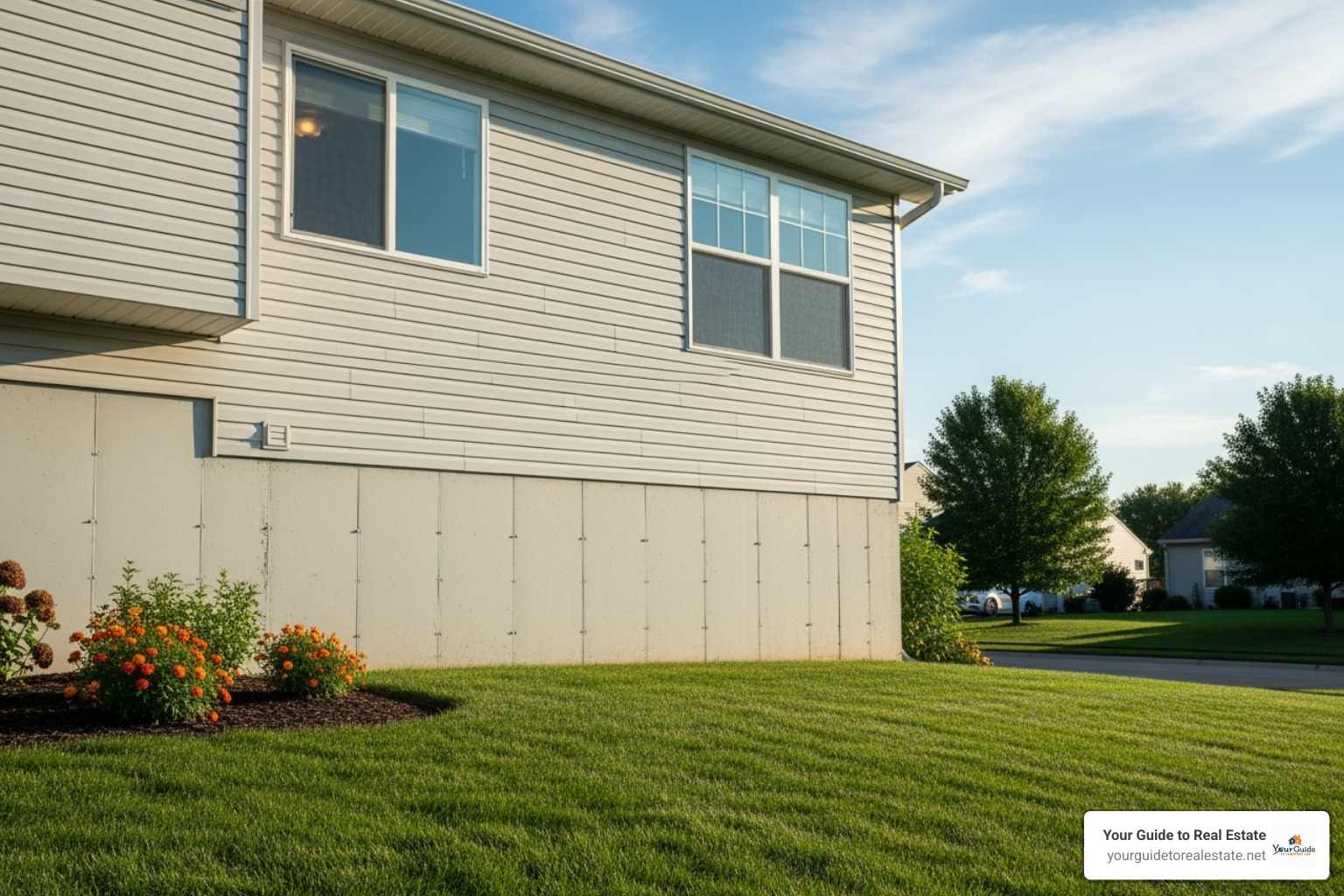
Accessibility issues can really throw a wrench in the timeline. When the electrical panel is hidden behind a wall of storage boxes, or the attic access is blocked by furniture, or the crawl space entrance is barely big enough for a person to squeeze through, everything slows down. Sometimes these obstacles are so significant that certain areas simply can’t be inspected – which isn’t ideal for anyone involved in the transaction.
Additional Services and Specialized Inspections
Here’s where your inspection can really expand beyond that basic 2-4 hour timeframe. Many buyers choose to add specialized inspections that provide deeper insights into specific concerns, and each one typically adds 30 to 60 minutes to your total on-site time.
The most common add-on services include radon testing for cancer-causing gas levels, pest inspections to check for termites and other wood-destroying insects, and mold testing when moisture concerns arise. Sewer scope inspections use a specialized camera to examine your main sewer line for blockages or damage, while thermal imaging can reveal hidden moisture problems or electrical hotspots that aren’t visible to the naked eye.
If you’re buying a home with a private well, water quality testing becomes essential. Rural properties might also need septic system inspections to ensure proper function and compliance with local regulations.
Each additional service provides valuable peace of mind, but they do extend your inspection day. Plan accordingly, especially if you’re coordinating time off work or childcare arrangements.
The Inspector’s Experience and Your Involvement
The human element plays a surprising role in inspection timing. An experienced inspector moves with practiced efficiency, having developed systematic approaches that ensure thoroughness without wasted motion. They know exactly where to look for common problems and can quickly assess whether something needs deeper investigation.
Newer inspectors might take longer – not because they lack competence, but because they’re being extra methodical about following their procedures. This thoroughness is actually reassuring, even if it extends your timeline slightly.
Your own involvement affects the schedule too. We absolutely encourage buyers to attend their inspections, especially the final walk-through portion. It’s an incredible learning opportunity that helps you understand your potential new home’s systems and maintenance needs.
However, constant questions or shadowing too closely can slow things down. Most inspectors are happy to explain what they’re doing, but they also need focused concentration time. The sweet spot is showing up for the last hour or so for a comprehensive walk-through and Q&A session.
Working with the right professionals makes all the difference in coordinating these timelines smoothly. Our guide on How to Find a Good Buyer’s Agent can help you build the right team for your home buying journey.
Step 3: Prepare for Inspection Day and the Final Report
Now that you understand the baseline times and influencing factors, let’s walk through what actually happens during the inspection and afterward. This is where your patience pays off – the thorough process today can save you thousands down the road.

What Does a Home Inspector Examine?
Think of a home inspection as a comprehensive physical exam for your potential new home. The inspector conducts a non-invasive, visual examination of the property to assess its condition on that specific day. They’re following established industry standards, like InterNACHI’s Standards of Practice, to ensure nothing important gets missed.
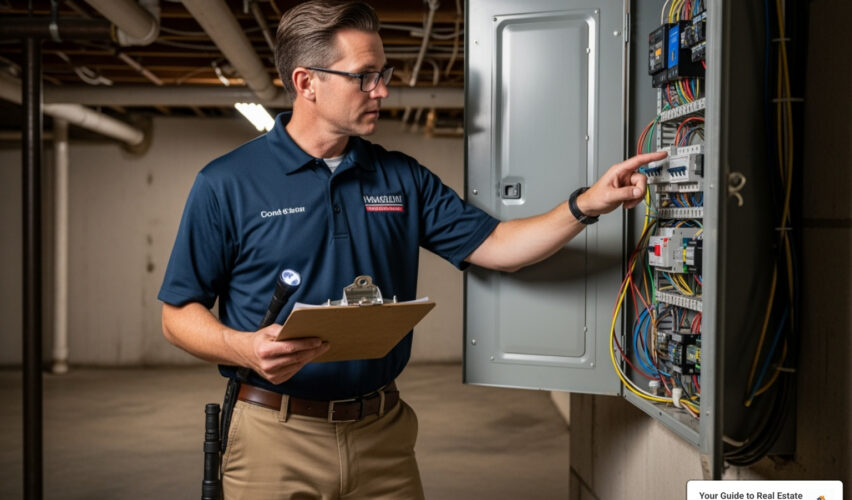
Your inspector will systematically examine the major systems that keep your home running smoothly. The HVAC system gets special attention – they’ll check the furnace, air conditioner, ductwork, and thermostats, which alone can take 30 minutes or more. Plumbing inspection covers pipes, drains, water pressure, fixtures, and that all-important water heater (usually about ten minutes for this component). The electrical system examination includes the service panel, wiring, outlets, switches, and proper grounding.
Structural components form the backbone of the inspection. The inspector will assess your foundation for cracks, settling, or water intrusion issues. They’ll examine the roof condition, including shingles, flashing, and gutters. Walls, ceilings, and floors get checked for cracks, water damage, and whether everything is level and secure.
The inspection also covers interior elements like doors, windows, insulation, ventilation, and any built-in appliances. Exterior components include siding, trim, grading, drainage, and driveways. The inspector isn’t judging your future home’s curb appeal – they’re focused on functionality and safety. They’re providing you with a detailed snapshot of the home’s condition, not guaranteeing its future performance.
How long does it take to get the home inspection report?
Here’s where many buyers get anxious: the waiting period. Once the inspector packs up their equipment and leaves, their work is far from over. They head back to their office to transform all those notes, measurements, and photographs into a comprehensive report.
Report generation typically takes 24-48 hours after the on-site inspection wraps up. Some inspectors might surprise you with next-morning delivery, while others may need up to three business days, especially if they’re dealing with a busy schedule or finded complex issues that require detailed documentation.
These reports are incredibly thorough – often spanning 80-100+ pages filled with detailed descriptions, photographs, and specific recommendations. Most inspectors deliver everything digitally, making it easy for you and your real estate agent to review together. This is when having a good agent really pays off, as they can help you interpret the findings and understand what’s truly significant versus what’s minor.
What to Expect After the Inspection is Complete
Receiving your inspection report is like getting the results of that comprehensive physical exam – it’s a pivotal moment that shapes your next steps. This document becomes your roadmap for negotiations and decision-making.
Start by reviewing the report carefully with your agent. You’ll want to distinguish between major issues (think structural problems, significant water damage, or faulty HVAC systems) and minor ones (like cosmetic fixes or small maintenance items). Focus your attention and negotiations on issues that could be costly, impact safety, or affect the home’s structural integrity.
Based on what you find, you have several options for requesting repairs or negotiating credits. You might ask the seller to handle specific repairs before closing, request a credit at closing to cover repair costs you’ll tackle later, or negotiate a reduction in the purchase price to account for the issues.
If the inspection reveals significant, unexpected problems that make you uncomfortable – even with potential seller concessions – your inspection contingency gives you an exit strategy. You can withdraw your offer and get your earnest money back. This protection is part of understanding What Does Contingent Mean in Real Estate? and why these contingencies exist.
Understanding what happens after how long does a home inspection takes is just as crucial as knowing the timeline itself. These post-inspection decisions directly impact your path to homeownership and tie into the larger Understanding the Escrow Process where financial adjustments get finalized.
Frequently Asked Questions about Home Inspection Timelines
You’ve got questions about how long does a home inspection take, and we’ve got answers! These are the most common concerns we hear from buyers just like you.
Should I attend the home inspection?
Yes, absolutely! Attending your home inspection is one of the smartest moves you can make as a buyer. Think of it as getting a personal tour of your potential new home from an expert who knows exactly what to look for.
When you’re there in person, you can see issues firsthand rather than just reading about them later in a report. There’s something powerful about watching an inspector point to a crack in the foundation or demonstrate how a window doesn’t seal properly. It makes everything more real and helps you understand what you’re dealing with.
You’ll also have the chance to ask questions directly. Ever wondered why that outlet doesn’t work or what that stain on the ceiling means? This is your moment to get immediate answers from someone who knows. Plus, experienced inspectors often share valuable maintenance tips that can save you money down the road.
Here’s a pro tip: you don’t need to follow the inspector around for the entire process. Plan to arrive for the final hour when they’ll do a comprehensive walk-through and summary. This gives them focused time to work while ensuring you get all the insights you need.
How does bad weather affect a home inspection?
Mother Nature doesn’t always cooperate with our home-buying timeline, and weather can definitely impact both how long does a home inspection take and how thorough it can be.
Rain, snow, or ice can cause delays or force rescheduling of certain parts of the inspection. Think about it – would you want someone trying to examine your roof during a thunderstorm? It’s not safe, and wet conditions can actually hide problems that would be visible on a dry day.
Exterior components like siding, grading, and drainage systems are particularly affected by bad weather. An inspector might not be able to properly assess how water flows around your property if it’s already flooding from a storm.
Most importantly, inspector safety comes first. Professional inspectors will postpone dangerous parts of the inspection rather than risk injury. This might mean scheduling a follow-up visit when conditions improve, but it’s worth it for a complete and accurate assessment.
The good news? Most inspectors are experienced with weather delays and will work with you to minimize any impact on your closing timeline.
How long is a home inspection report valid for?
This is a great question that touches on something crucial: your home inspection report is essentially a snapshot in time. It tells you exactly what the inspector found on that specific day, at that specific moment.
Conditions can change surprisingly quickly in a home. A pipe might develop a leak the day after inspection, or a storm might damage the roof before you close. That’s why inspection reports are generally considered current for your transaction period – typically around 30 days.
If your closing gets delayed significantly (we’re talking months, not weeks), you might want to consider asking for a re-inspection of key areas or even a full new inspection. This isn’t usually necessary for minor delays, but it can provide peace of mind for extended timelines.
Your inspection report is not a long-term warranty. It’s not predicting what might break in the future – it’s telling you what’s happening right now. This snapshot helps you make an informed decision about whether to move forward with the purchase, and it can be a powerful tool for negotiations with the seller.
Understanding these timeline realities helps you use your inspection report most effectively in your home-buying journey.
Conclusion
Understanding how long does a home inspection take is more than just knowing when to clear your schedule—it’s about feeling confident and prepared for one of the most important days in your home-buying journey. Think of it as your final “look under the hood” before making the biggest purchase of your life.
We’ve walked you through our proven three-step framework to take the guesswork out of inspection timing. Step 1 gave you those crucial baseline averages—whether you’re buying a cozy 1.5-hour condo inspection or preparing for a 4+ hour deep dive into a sprawling single-family home. Step 2 opened your eyes to the variables that can shift these timelines, from the age and condition of your potential new home to those specialized inspections that add extra peace of mind. Step 3 prepared you for the actual day and the vital 24-48 hours afterward when you’ll receive that detailed report.
Here’s what we want you to remember: every minute your inspector spends examining that home is time invested in your future. A thorough inspection might take longer than you’d like, but it’s infinitely better than finding a major issue after you’ve already moved in and unpacked your boxes.
At Your Guide to Real Estate, we believe in empowering you with knowledge so you can steer this process with confidence instead of anxiety. When you know what to expect—from that first step into the crawl space to the moment you receive your comprehensive report—you’re not just a buyer, you’re an informed buyer.
The time you spend understanding how long does a home inspection take and preparing accordingly is a small investment that pays huge dividends in peace of mind. After all, we’re not just helping you buy a house; we’re helping you find your home.
Ready to take the next step in your home-buying journey with confidence? Let us help you Find the best real estate agent for your needs who will guide you through every step of this exciting process.