
Why Understanding Appraisal Timelines Matters for Your Real Estate Transaction
How long does an appraisal take is one of the most common questions buyers ask after their offer gets accepted. The answer isn’t simple – it depends on several factors that can make or break your closing timeline.
Quick Answer: Appraisal Timeline
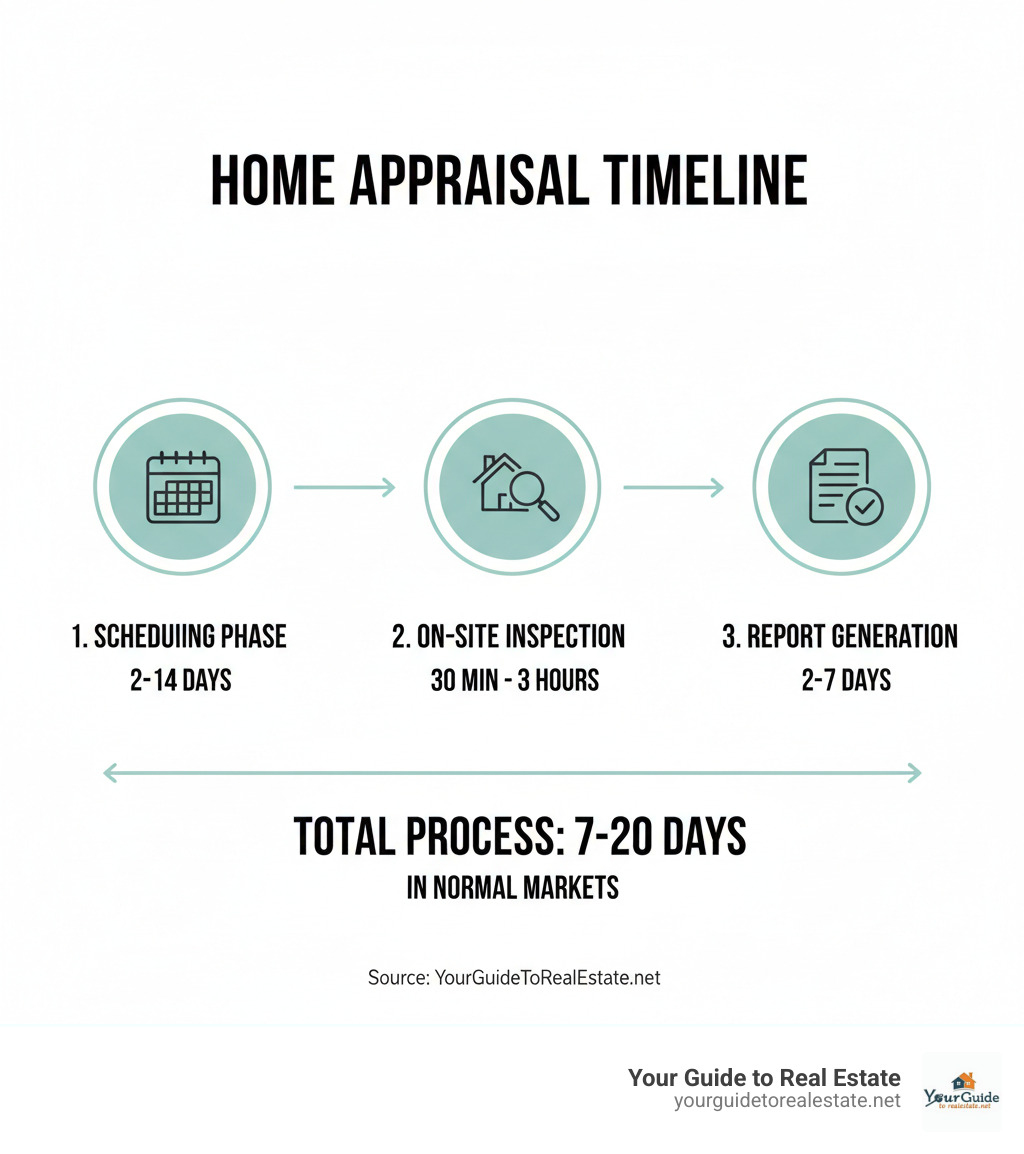
- Total Duration: 7-20 days from start to finish
- Scheduling: 2-14 days to book the appointment
- On-site Visit: 30 minutes to 3 hours
- Report Generation: 2-7 days after the visit
- Market Impact: Busy markets can extend timelines to a month
As one real estate professional noted in recent market research: “After months of saving money, browsing listings, and competing in bidding wars, you’ve finally got an offer accepted on your dream home. Only, there’s still a major milestone standing in your way — the appraisal.”
This waiting period creates real stress. Your rate lock might expire. Your closing date could get pushed back. You might lose earnest money if things go wrong.
The appraisal process involves three main stages: ordering and scheduling, the physical inspection, and report completion. Each stage has its own timeline and potential delays.
Understanding these timelines helps you:
- Plan realistic closing dates
- Communicate better with your lender
- Avoid last-minute surprises
- Make informed decisions if delays occur
Essential how long does an appraisal take terms:
The Home Appraisal Explained: More Than Just a Walk-Through
When you’re wondering how long does an appraisal take, it helps to first understand what you’re actually waiting for. A home appraisal isn’t just someone walking through your future home with a clipboard – it’s a detailed professional evaluation that determines your property’s fair market value.
Think of the appraisal as your lender’s security blanket. They’re about to loan you hundreds of thousands of dollars, so they want to make sure the house is actually worth what you’re paying for it. If you default on your mortgage, they need to know they can sell the property and recover their money.
The appraisal serves multiple purposes. It protects the lender from lending more than the property is worth, helps establish the fair market value for all parties involved, and gives you confidence that you’re not overpaying for your new home. This process is a cornerstone of Real Estate Valuation and helps keep the entire housing market stable.
Here’s how the process works: Your lender orders the appraisal (usually through a third-party company to keep things unbiased), but you typically pay for it as the buyer. The average cost ranges from $314 to $500, though complex or rural properties can push that number higher.
One thing that often confuses buyers is the difference between an appraisal and a home inspection. They’re both important, but they serve completely different purposes:
| Feature | Home Appraisal | Home Inspection |
|---|---|---|
| Purpose | Determines value for lender | Assesses condition for buyer |
| Focus | Market value and basic condition | Detailed structural and system analysis |
| Who Orders | Lender | Buyer |
| Who Pays | Buyer (typically) | Buyer |
| Timeline Impact | Required for loan approval | Optional but recommended |
What Appraisers Look For
When an appraiser visits your property, they’re gathering data like a detective solving a value puzzle. They start with the exterior, examining the roof condition, foundation stability, and overall structural integrity. The neighborhood matters too – proximity to schools, shopping, and community amenities all factor into the final number.
Inside the home, appraisers measure square footage room by room, count bedrooms and bathrooms, and assess the overall layout and flow. They’re looking at the condition of major systems, the quality of finishes, and any upgrades or renovations you’ve made.
Recent upgrades can significantly boost your home’s value, especially if you have receipts and permits to document the work. A new kitchen, updated bathrooms, or a finished basement all catch an appraiser’s attention in the best way possible.
The appraiser documents everything in a standardized Uniform Residential Appraisal Report, which ensures consistency across the industry. This isn’t a quick snapshot – it’s a comprehensive analysis that takes time to complete properly.
Who Performs the Appraisal?
Your appraisal is handled by a state-licensed professional who knows your local market inside and out. These aren’t just anyone with a measuring tape – appraisers undergo extensive training and must follow strict ethical guidelines.
To keep things fair and unbiased, most lenders work with an Appraisal Management Company (AMC) that acts as a middleman. The AMC selects an independent appraiser from their network, ensuring no one can influence the final valuation.
Local market knowledge is crucial for accurate appraisals. An appraiser who understands your neighborhood’s unique characteristics, recent sales trends, and local amenities will provide the most reliable valuation. They follow the Uniform Standards of Professional Appraisal Practice to ensure consistency and ethical conduct.
Here’s something that might surprise you: The appraiser shortage is real. The industry is losing about 3% of its workforce each year, with over 60% of current appraisers over age 50. This aging workforce contributes to longer wait times, especially in busy markets where how long does an appraisal take becomes a more pressing question for anxious buyers.
How Long Does an Appraisal Take? A Step-by-Step Timeline
Now for the main event: just how long does an appraisal take from start to finish? The honest answer is that it varies quite a bit, but we can give you realistic expectations to help you plan your closing timeline.
The total process typically spans 7 to 20 days, though this can stretch to a full month during particularly busy market periods. The exact duration depends on several factors, including current market conditions, appraiser availability, and the unique characteristics of your property.

Think of the appraisal process as having three distinct phases, each with its own timeline. Understanding these phases helps you communicate better with your lender and manage your expectations throughout the process.
For more insights into how appraisals fit into the broader mortgage picture, explore our guide on Understanding Mortgages: A Beginner’s Guide to Home Loans.
Step 1: Ordering and Scheduling (2 to 14 Days)
The appraisal journey kicks off almost immediately after your offer gets accepted. Your lender doesn’t waste time here – they’ll typically order the appraisal within 1 to 2 business days. For refinances, this happens once you’ve paid your application deposit.
Here’s where things get interesting. The lender (or their appraisal management company) reaches out to a licensed appraiser, who usually responds within 48 hours to confirm they’ve received the assignment. But then comes the scheduling challenge.
This is where that 2 to 14-day window comes into play. The appraiser needs to coordinate with either the seller’s agent (for purchases) or directly with you (for refinances) to schedule the physical inspection. Their current workload makes all the difference here.
In slower markets, you might get an appointment within just a few days. In busy markets, appraisers can be booked solid for weeks. We’ve seen situations where this scheduling phase alone takes two full weeks, especially during peak buying seasons when everyone seems to be trying to close at once.
The coordination aspect can also add time. Sometimes it takes a few back-and-forth calls to find a time that works for everyone involved – the appraiser, the seller, and the listing agent.
Step 2: The On-Site Inspection (30 Minutes to 3 Hours)
Once that appointment is finally set, you reach the phase most people think of when they hear “home appraisal” – the actual property visit.

So how long does an appraisal take when the appraiser is actually at the property? The range is surprisingly wide – anywhere from 30 minutes to 3 hours, with most falling somewhere in the middle.
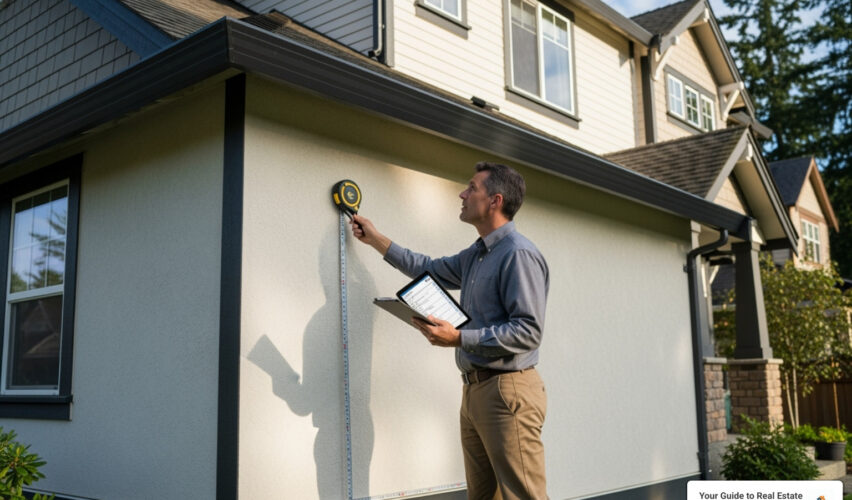
For a typical suburban home, expect about an hour to an hour and a half. The appraiser will systematically work through the property, measuring rooms to confirm square footage, taking photographs of each space, and noting the condition of major systems and any upgrades.
Smaller, straightforward properties might only need 30 to 45 minutes, while larger or more complex homes can easily require 2 to 3 hours. We’re talking about properties with unique architectural features, extensive renovations, or sprawling layouts that take time to properly document.
During this visit, the appraiser is gathering the foundation for their entire report. They’re assessing the overall condition, photographing key features and any obvious defects, noting upgrades and renovations, and getting a feel for the property’s overall appeal and functionality.
Property size and complexity are the biggest factors here. A 1,200-square-foot ranch will obviously take less time than a 4,000-square-foot custom home with multiple levels and unique features.
Step 3: Research and Report Generation (2 to 7 Days)
After the appraiser leaves your property, the real analytical work begins. This behind-the-scenes phase typically takes 2 to 7 days, though it can stretch to 1 to 2 weeks depending on the complexity of the property and the appraiser’s current workload.
The comparable sales research is often the most time-consuming part. The appraiser needs to find recently sold properties that are truly similar to yours – same neighborhood or very close proximity, similar size, age, condition, and features. Ideally, these “comps” sold within the last 60 days, though they’ll go back up to a year if necessary.
This sounds straightforward, but it can be surprisingly challenging. For unique properties or homes in areas with limited sales activity, finding good comparables can take days of research. The appraiser might need to expand their search area or make complex adjustments to account for differences between properties.
Beyond individual comparables, the appraiser also conducts broader market analysis, looking at housing trends, supply and demand factors, and economic conditions that might affect property values in your area. For more insight into this process, check out our guide on How to Do a Competitive Market Analysis (Real Estate).
The final step involves combining all this data – the property inspection notes, comparable sales, and market analysis – into a comprehensive report that’s typically around 10 pages for residential properties. Once completed, the report goes to your lender for review, which can add another few hours to a few days to the overall timeline.
From the initial order to final report delivery, you can generally expect the complete process to take anywhere from 6 to 20 days, with the potential for longer timelines in busy markets or for complex properties.
Why Is My Appraisal Taking So Long? Key Factors That Cause Delays
We get it – waiting for your appraisal results can feel like watching paint dry, especially when your dream home hangs in the balance. If you’re wondering how long does an appraisal take and why yours seems to be dragging on forever, you’re definitely not alone in this frustration.

The truth is, several factors can push your appraisal beyond that typical 7-20 day window. Understanding these potential roadblocks helps you manage expectations and know when to follow up with your lender. Most delays are completely normal – they don’t necessarily signal problems with your transaction.
If you haven’t heard anything within about seven days of the order date, a friendly call to your loan officer is always a smart move. They can check on the status and give you a realistic timeline update.
Market Conditions and Appraiser Availability
The biggest factor affecting how long an appraisal takes is often something completely outside your control: the current real estate market conditions.
When the housing market is red-hot, everyone feels the squeeze. Back in early 2022, when mortgage rates were at historic lows, we saw appraisal timelines stretch to a month or more in many areas. Busy markets create a domino effect – more home sales mean more appraisals needed, which means longer wait times for everyone.
Here’s what’s happening behind the scenes: The appraisal industry is facing a serious appraiser shortage. The declining number of appraisers – dropping by 3% each year – means fewer professionals available to handle the workload. With over 60% of appraisers being over age 50, many are approaching retirement without enough new talent entering the field.
Interestingly, rising interest rates can actually work in your favor. When rates climb, market activity typically slows down, giving appraisers lighter workloads and faster turnaround times.
The bottom line? In a busy market, expect your appraisal to fall on the longer end of the timeline spectrum. In slower markets, you might get pleasant surprises with quicker results.
Property-Specific Challenges
Sometimes the delay isn’t about market conditions at all – it’s about your specific property presenting unique challenges for the appraiser.
Complex or unusual properties require significantly more research time. If you’re buying a custom-built home with unique architectural features, a historic property, or something in a very specialized market segment, your appraiser needs to work harder to find truly comparable sales. This detective work takes time.
Rural locations present their own set of challenges. Not only might the appraiser charge higher trip fees for the longer drive, but finding sufficient comparable sales within a reasonable distance becomes much trickier. They often need to expand their search radius considerably, adding days to the research phase.
Properties with limited comparable sales in the immediate area force appraisers to cast a wider net. If there haven’t been many recent sales of similar homes nearby, they’ll spend extra time researching and may need to make more complex adjustments to their analysis.
Access issues can also create delays. If the appraiser can’t easily get into the property or certain areas are locked or inaccessible, they’ll need to reschedule or coordinate additional visits.
Government-backed loans like VA and FHA loans often take longer because they have stricter property requirements. The appraiser must ensure compliance with additional standards, and if issues are finded, additional inspections may be required.
Even incomplete public records can slow things down. When property details are missing or inaccurate in official records, appraisers need to spend extra time verifying information through other sources.
These delays are usually just part of the process, not red flags about your transaction. Your appraiser is working to give you the most accurate valuation possible – and that thoroughness is ultimately protecting your investment.
After the Report: Understanding Your Appraisal Results
The waiting is finally over! Once your appraiser submits their report, it goes through a quick review process with your lender (and often the AMC first). This final review typically takes just a few hours to a couple of days. After your lender gives it the green light, you’ll receive your copy of the appraisal report – and yes, you’re legally entitled to this copy even if your loan doesn’t end up closing.
Now comes the moment of truth. There are essentially three ways this can play out, and each one affects your next steps in different ways.
Outcome 1: The Appraisal Matches or Exceeds the Offer
This is what we all hope for – the scenario that makes everyone breathe a little easier!
When your appraisal comes in right at your offer price or higher, it’s genuinely good news all around. Your lender feels confident about the loan amount, and you can move forward toward closing without any hiccups. The mortgage underwriting process continues smoothly, and you’re officially one major milestone closer to getting those keys in your hand.
Here’s something even better: if the appraisal actually comes in above your offer price, you’ve just gained instant equity in your new home! This means you managed to secure the property for less than its current market value – essentially getting a great deal from day one. It’s like finding money in your pocket, except it’s thousands of dollars in home equity. For more details on this happy scenario, check out our guide on House Appraised at Value.
With a satisfactory appraisal in hand, your loan process proceeds without interruption, and you can focus on the remaining closing preparations.
Outcome 2: The Appraisal Comes in Low
Don’t panic if you find yourself in this situation – while it’s more complicated, you definitely have options to work with.
When your appraisal comes in below your agreed-upon offer price, it creates what’s called an appraisal gap. Here’s how it works: if you offered $400,000 but the home appraised at $380,000, your lender will only approve financing for the appraised amount. That leaves you with a $20,000 gap that needs to be addressed somehow.
This situation has become more common lately, especially since 21% of buyers are waiving their appraisal contingencies as of November 2024. If you’re one of those buyers, you’ll need to be particularly strategic about your next move.
You have several paths forward when facing a low appraisal. Renegotiating the price with the seller is often your first and best option – many motivated sellers will agree to lower their price to match the appraised value rather than risk losing the sale entirely. If the seller won’t budge on price, you can choose to pay the difference in cash, bringing extra money to closing to cover that gap.
Another option is to challenge the appraisal by requesting a Reconsideration of Value. You’ll need solid evidence like comparable sales the appraiser missed or significant property features that weren’t properly considered. While this approach can work, it’s not always successful and can add time to your timeline.
Finally, if you included an appraisal contingency in your purchase agreement, you have the right to walk away from the deal and recover your earnest money. This appraisal contingency acts as your safety net, protecting you from overpaying for a property. However, if you waived this contingency, walking away might mean losing your earnest money deposit.
The key is staying calm and working with your real estate agent and lender to determine which option makes the most sense for your specific situation and financial goals.
Frequently Asked Questions about the Home Appraisal Process
We know you’ve got questions about how long does an appraisal take and what happens during the process. You’re not alone in feeling a bit overwhelmed – it’s one of the most mysterious parts of buying a home. Let’s clear up the confusion with straightforward answers that’ll help you steer this crucial step with confidence.
Can a buyer or seller do anything to speed up the appraisal?
While you can’t magically make appraisers work faster or create more hours in the day, there are definitely smart moves both buyers and sellers can make to keep things moving smoothly.
If you’re selling, think of yourself as the appraiser’s helpful assistant. Provide a packet of documents that includes a detailed list of recent upgrades, what they cost, and when you completed them. Throw in any property surveys, HOA information, and permits for renovations. This little homework assignment can save the appraiser hours of research time.
Ensure easy access to all areas of your home. Nothing slows down an appraisal like a locked basement door or an attic that requires a special ladder. Maintain curb appeal because first impressions matter – a well-kept exterior suggests a well-maintained home overall.
Keep the home clean and decluttered during the inspection. While a spotless kitchen won’t magically increase your home’s value, it does suggest good maintenance and makes the appraiser’s job easier. Nobody wants to steer through stacks of boxes to measure a room.
If you’re buying, your role is more about staying connected. Proactive communication with your real estate agent and lender is key. If something feels off or delayed, speak up quickly. Also, pay the appraisal fee promptly when requested – you’d be surprised how often administrative delays happen simply because someone forgot to process a payment.
How long is a home appraisal report valid?
Here’s something many people don’t think about until it becomes a problem: appraisals don’t last forever. Typical validity ranges from 90 to 180 days, but that window can shrink fast in volatile markets where home values are jumping around like a ping-pong ball.
Market volatility can shorten this period significantly. If your local market is experiencing rapid price changes – either up or down – lenders might require a fresh appraisal sooner than expected. If your closing gets delayed beyond the appraisal’s expiration date, your lender may require an update to the existing report or, in some cases, order a completely new appraisal. This means potentially paying that $314-$500+ fee again and restarting the timeline.
What’s the difference between an appraisal and a Comparative Market Analysis (CMA)?
This question comes up constantly, and honestly, the confusion makes perfect sense. Both involve looking at your home’s value, but they serve completely different purposes and carry very different weight.
An appraisal is the formal, legally-binding valuation performed by a state-licensed professional. Think of it as the official word that lenders trust when deciding how much money to loan. The appraiser follows strict industry standards, conducts a thorough inspection, and produces a detailed report that can hold up in court if needed. It’s required for mortgage financing and carries real legal weight.
A CMA is more like an educated guess – though a very well-informed one. Your real estate agent creates this informal estimate to help you price your home for sale or craft a competitive offer as a buyer. While agents use similar comparable sales data, a CMA can’t be used for mortgage purposes. It’s a valuable planning tool, but it’s not a substitute for the real deal.
Think of it this way: a CMA is like asking a knowledgeable friend what they think your car is worth, while an appraisal is like getting an official evaluation from a certified automotive appraiser for insurance purposes. Both have their place, but only one satisfies the bank.
For a deeper dive into how real estate agents approach property valuation, our Competitive Market Analysis Complete Guide breaks down everything you need to know about this essential pricing tool.
Get an Accurate Valuation Without the Guesswork
Understanding how long an appraisal takes is just one piece of the real estate puzzle, but it’s a crucial one that can make or break your transaction timeline. Throughout this guide, we’ve walked you through the entire journey—from that initial 7-20 day timeline to the three key stages that determine when you’ll finally see that appraisal report.
The process itself is fairly predictable: scheduling takes 2-14 days, the on-site inspection runs 30 minutes to 3 hours, and report generation requires another 2-7 days. But as we’ve seen, the real world doesn’t always follow the textbook. Market conditions can stretch these timelines, especially when appraiser availability is tight or your property presents unique challenges.
What matters most is being prepared. Whether you’re dealing with a busy market that pushes your appraisal timeline to a month or you’re facing a low appraisal that creates an unexpected gap, knowledge gives you power. You now know when to follow up with your lender, how to help speed things along, and what your options are if the appraisal doesn’t go as planned.
Delays are possible but they’re manageable when you understand what’s happening behind the scenes. The appraiser shortage affecting the industry means patience is more important than ever, but clear communication with your lender and agent will keep you informed every step of the way.
At Your Guide to Real Estate, we believe that stress-free real estate transactions start with understanding the process. We’re here to guide you through not just appraisals, but every aspect of your real estate journey with our proven framework for success.
Ready to dive deeper into property valuation? Our comprehensive guide on Valuation and Market Analysis in Real Estate will give you the complete picture of how property values are determined and how market forces shape the real estate landscape. Because when it comes to one of life’s biggest investments, you deserve to make decisions with confidence.