Why Even Brand-New Homes Need Professional Inspections
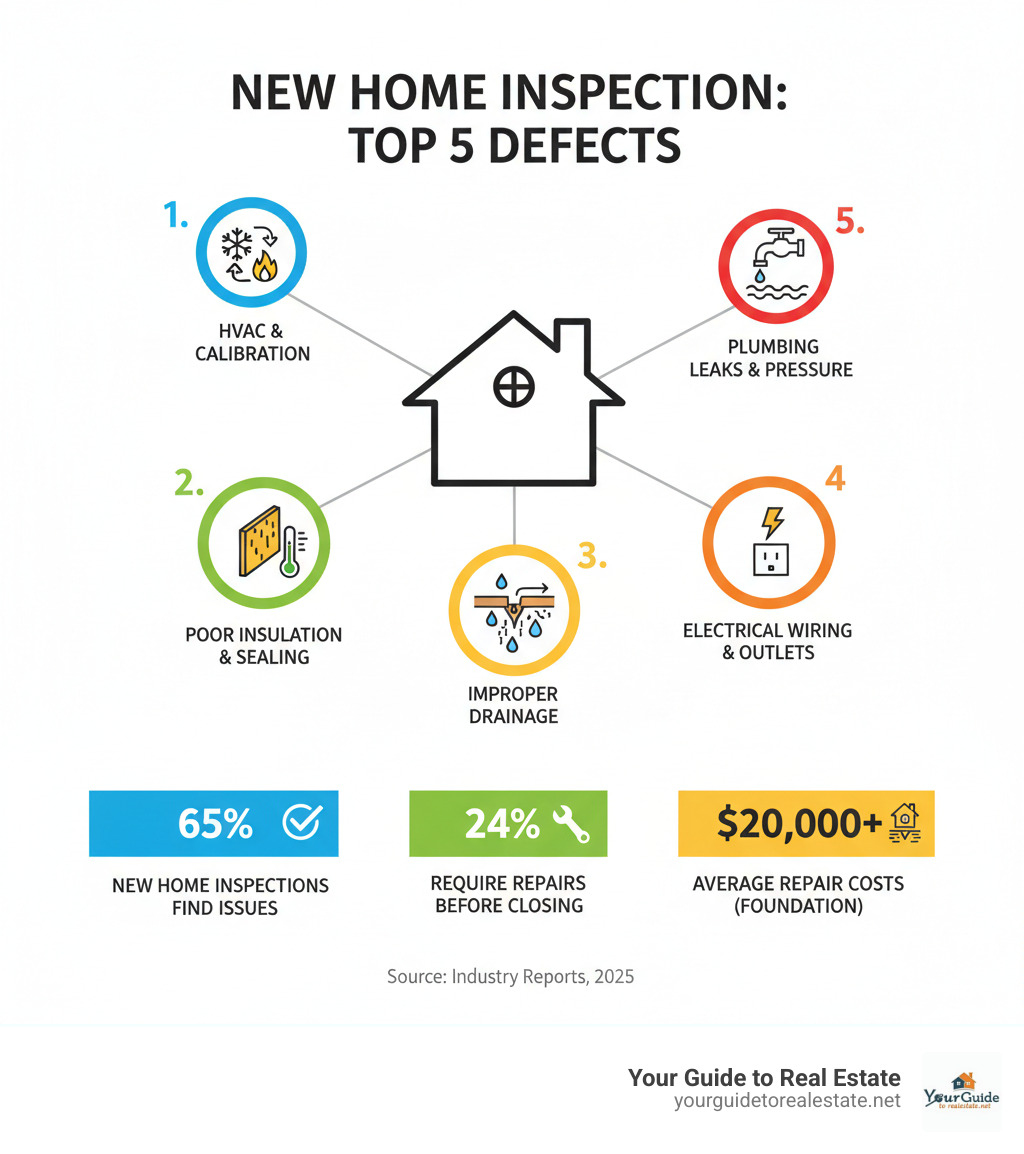
A new home inspection is a professional evaluation of a newly constructed property to identify defects, code violations, and quality issues before closing. Even though everything is new, 65% of new construction inspections uncover problems—from minor cosmetic flaws to significant structural issues—that can be addressed before you take ownership.
What You Need to Know:
- What it is: An independent, third-party examination of your new home’s structure, systems, and finishes
- Why it matters: Catches construction errors, poor workmanship, and code violations before they become your problem
- When to do it: Ideally in phases (pre-pour, pre-drywall, and final walkthrough) during construction
- What it costs: $300-$500 on average, potentially saving you tens of thousands in future repairs
- What’s at risk: 24% of new homes don’t pass their first inspection, revealing issues that need fixing
Many people assume that buying a brand-new home means they’re getting perfection. After all, everything is fresh from the builder. No previous owners. No wear and tear. What could possibly go wrong?
The reality is very different. New construction involves thousands of details, dozens of subcontractors, and countless opportunities for human error. A home can have brand-new materials installed incorrectly. Municipal inspectors focus on minimum code compliance, not quality workmanship. And builders often work under tight deadlines with the lowest-bid contractors.
That’s why a professional new home inspection isn’t just smart—it’s essential protection for one of the biggest investments you’ll ever make. The inspection report becomes your roadmap for ensuring the builder fixes problems before you sign on the dotted line, when they’re most motivated to make things right.
Think of it this way: you wouldn’t skip a test drive on a new car. Why would you skip an inspection on a new house?
New home inspection vocab explained:
Why a “Perfect” New Build Still Needs an Inspection
Picture this: You’re standing in a brand-new home, breathing in that fresh paint smell. The floors are pristine, the appliances gleam, and everything looks absolutely perfect. Why on earth would you need an inspection?
Here’s the truth that might surprise you: that beautiful new home was built by human beings working under tight deadlines, coordinating dozens of different subcontractors, all trying to keep costs down while managing thousands of moving parts. And humans make mistakes—even the best ones.
When you look at the numbers, the picture becomes even clearer. 65% of new construction inspections uncover problems that need addressing. Think about that for a moment—more than half of brand-new homes have issues hiding beneath that shiny surface. And it’s not always minor stuff, either. About 24% of new homes actually require repairs before closing.
This isn’t about pointing fingers at builders. Construction is genuinely complex. Your home might have one crew pouring the foundation, another framing the walls, a third handling electrical, and yet another installing plumbing. Each subcontractor might be the lowest bidder, working on multiple projects at once. Quality can vary dramatically from one crew to the next, and coordinating all these moving pieces perfectly is incredibly difficult.
That’s where a new home inspection becomes your safety net. An independent inspector works for you—not the builder, not the seller—and their job is to find problems before they become your expensive headaches. The inspection report gives you leverage to get issues fixed while the builder is still motivated to close the deal. Once you’ve signed the papers and moved in? That’s a whole different story.
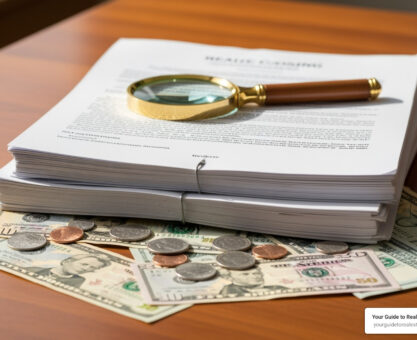
More info about home contingencies
The Myth of the Builder’s Warranty
“Don’t worry, it comes with a warranty!” You’ll hear this a lot, sometimes from builders, sometimes even from well-meaning agents. And yes, builder warranties exist. But here’s what many people don’t realize: a warranty is not a substitute for an inspection.
Builder warranties have some serious limitations. They typically cover specific structural defects but might exclude cosmetic issues or define “defect” so narrowly that many real problems slip through the cracks. Poor workmanship that technically meets code but will cause problems down the road? Often not covered. That improperly installed window flashing that’ll leak in three years? Good luck getting that fixed under warranty.
The bigger issue is timing. Once you’ve closed on the home and moved in, getting the builder to address problems becomes exponentially harder. They have your money now. The urgency to make you happy has evaporated. We’ve heard countless frustrating stories from homeowners who spent months trying to get warranty work done, making phone call after phone call, dealing with scheduling nightmares and incomplete fixes.
Compare that to finding issues before closing. Suddenly, you have all the leverage. The builder wants to finalize that sale. They’re motivated to fix whatever your inspector found because it stands between them and their payday. Getting repairs done at this stage is almost always faster, more complete, and far less stressful.
Even with a warranty in place, smart buyers schedule what’s called a 1-year warranty inspection around the 10 or 11-month mark. This catches any issues that have developed during your first year of living there—things that might not have been obvious initially but have become problems. You get them addressed before the warranty expires and you’re on your own.
Municipal Code Inspections vs. Independent Inspections
Here’s another line you might hear: “The city already inspected it and signed off!” True enough—municipal inspectors do examine new construction. But if you think that means you don’t need your own new home inspection, you’re missing a crucial distinction.
City inspectors are checking for minimum standards. Their job is to ensure the home meets basic safety requirements and complies with local building codes. They’re not evaluating quality, craftsmanship, or whether things were done the best way—just whether they meet the legal minimum.
Think about it this way: meeting code is like getting a D on a test. You passed, technically, but is that really the standard you want for your biggest investment?
There’s also the reality of municipal inspector workloads. These folks are typically understaffed and overworked, often responsible for dozens of properties. They might spend 30 minutes on a code inspection, hitting specific checkpoints and moving on. They’re not looking for subtle signs of future problems or checking the quality of every joint and seal.
An independent inspector, on the other hand, works exclusively for you. They spend three to four hours carefully examining every accessible system and component in your home. They’re looking for anything that could affect your safety, comfort, or wallet—from major code violations to minor quality issues that could become expensive problems later. Their comprehensive report gives you a complete picture of what you’re actually buying.
It’s the difference between a quick physical where the doctor checks your vitals and a thorough diagnostic workup where they look for everything that might be wrong. Both have their place, but they serve very different purposes.
A guide to what home inspectors look for
Risks of Skipping an Inspection
Let’s talk about what happens when buyers decide to skip the inspection and pocket that $300 to $500. In the moment, it might feel like smart savings—after all, you’re already spending so much on this new home. But this decision can backfire spectacularly.
Without an inspection, you could move into a home with hidden structural problems lurking behind those perfect walls. A foundation with improper drainage that’ll crack within a year. Roof trusses that weren’t installed correctly. Floor joists that are undersized or improperly spaced. These aren’t hypothetical scenarios—they’re real issues found regularly in new construction.
The financial impact of these hidden problems can be staggering. Foundation repairs typically start at $20,000 and can exceed $100,000 for serious issues. A roof replacement runs around $10,000 or more. HVAC system replacement? That’s another $8,000 minimum. Suddenly that inspection fee looks like the bargain of the century.
Then there are the safety hazards. Faulty electrical wiring that could spark a fire. Improper plumbing that leads to leaks and mold. Inadequate ventilation causing carbon monoxide buildup. These aren’t just expensive problems—they’re dangerous ones that put your family at risk.
Don’t forget about your home’s future value, either. When you eventually sell, the buyer’s inspector will likely uncover those defects you never knew about. Now you’re facing a choice: make expensive repairs on short notice or accept a lower sale price. Either way, you lose.
The math is simple. Spending $300-$500 now could save you tens of thousands later. As experts who’ve seen countless buyers steer these waters, we can tell you with absolute certainty: skipping a new home inspection is one of the riskiest gambles you can make in real estate.
More about things that can fail an inspection
The Phased Approach to a New Home Inspection
Here’s the truth about new home inspection: waiting until the final walkthrough isn’t always enough. Think about it—once drywall covers the framing, once concrete encases the foundation, you’ve lost your chance to see what’s really going on inside your home. That’s why we’re big believers in the phased inspection approach.
What does this mean? Instead of one single inspection at the end, you bring in your independent inspector at critical stages during construction. This proactive strategy catches problems when they’re still easy and inexpensive to fix, not after they’re buried behind layers of finished materials.
The key to making this work is communication with your builder. Let them know upfront that you’re planning inspections at different construction phases. Most reputable builders actually welcome this—they understand that catching issues early benefits everyone. After all, fixing a problem before it’s hidden is far simpler than tearing out finished work later.

Phase 1: Pre-Pour/Foundation Inspection
Your foundation is literally what everything else sits on, which makes this one of the most critical times for a new home inspection. Before any concrete gets poured, your inspector needs to see what’s happening below ground level.
During this phase, the inspector examines site grading and preparation to make sure water will drain away from your home, not toward it. They’ll check the footings and forms—these need to be exactly the right size and shape according to your plans. The rebar and reinforcement gets scrutinized too, because improperly spaced or sized steel rebar means a weaker foundation that could crack or settle unevenly.
Your inspector will also look at any plumbing rough-in that’s being laid in the foundation slab. Once concrete covers these pipes, accessing them for repairs becomes a major headache. Finally, they’ll verify that vapor barriers are properly installed to keep moisture from seeping up through the slab and creating mold or humidity problems years down the road.
Here’s why this matters so much: imagine finding a foundation issue after your entire house is built. We’re talking about a repair nightmare that could cost tens of thousands of dollars and months of disruption. Catching these problems before the concrete is poured? That’s just a quick fix.
Phase 2: Pre-Drywall/Framing Inspection
Once your home’s skeleton is standing but before drywall hides everything, it’s time for the pre-drywall inspection. This is your one and only chance to see what’s actually behind your walls. Miss it, and you’re trusting that everything was done correctly—with no way to verify.
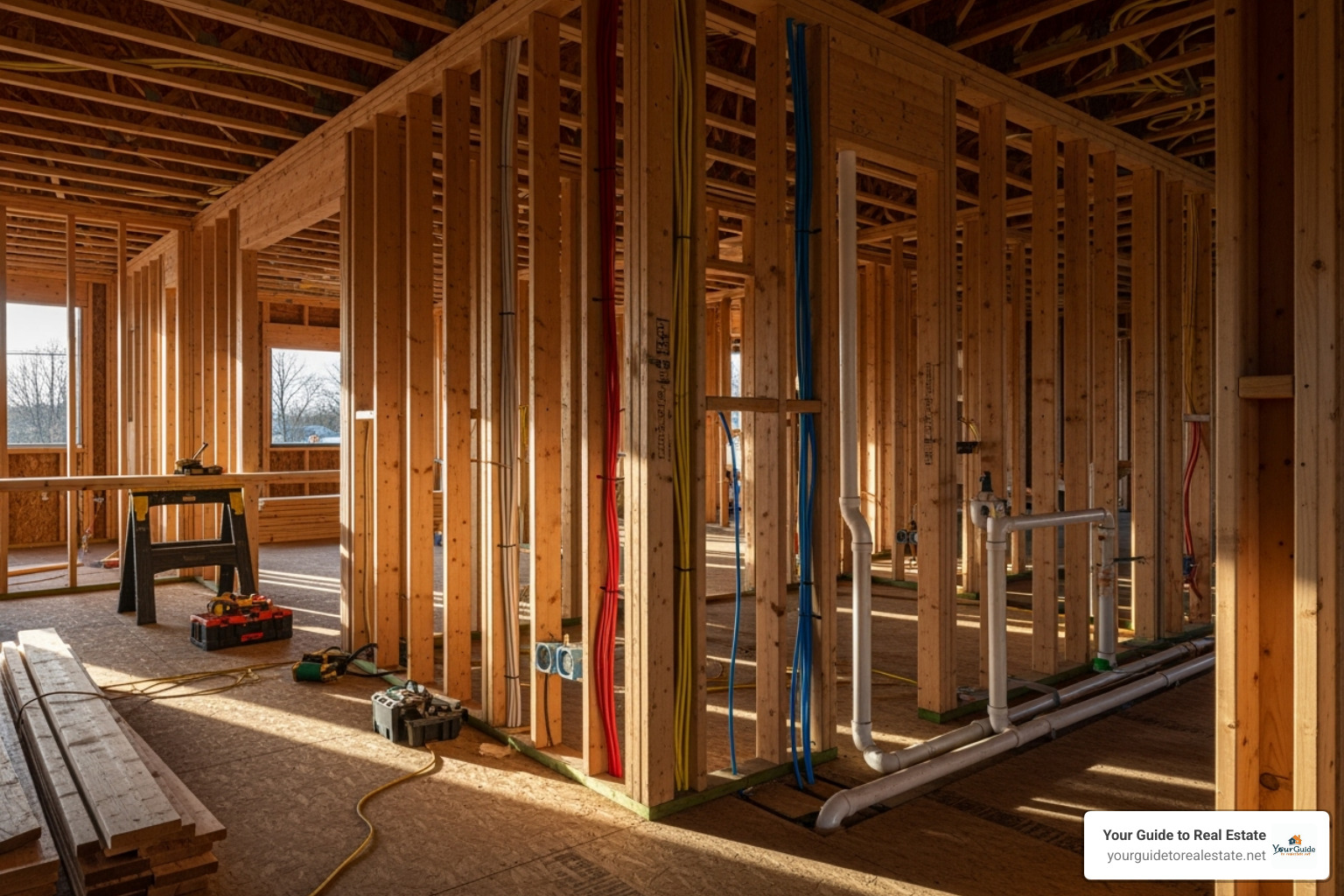
Your inspector will carefully examine the structural framing—all those load-bearing walls, floor joists, and roof trusses that give your home its strength. They’re checking that everything is properly connected and matches the structural plans. The wall, floor, and roof components need to be plumb, level, and securely fastened. Sounds basic, but you’d be surprised how often these fundamentals get overlooked in the rush to stay on schedule.
The inspector also verifies that electrical wiring is correctly routed and protected according to code. They’ll check that plumbing and ductwork are properly installed, sealed, and supported without kinks or potential leak points. And they’ll examine window and door flashing, which is crucial for preventing water intrusion that could lead to mold and rot.
Why is this inspection so vital? Because once drywall goes up, accessing these systems for repair means cutting holes in your beautiful new walls. It’s disruptive, expensive, and completely avoidable if you catch problems now.
Phase 3: The Final Walkthrough Inspection
The final walkthrough happens when your home is essentially complete, usually just before closing. This is when everything comes together, and your new home inspection shifts from examining hidden components to testing finished systems and evaluating quality.
During this phase, your inspector becomes a thorough tester. They’ll run the HVAC system to make sure every room heats and cools properly. They’ll check electrical outlets throughout the house and test plumbing fixtures for leaks, proper water pressure, and drainage. Every installed appliance gets operated—dishwasher, oven, microwave, garbage disposal—to confirm it’s functional.
The inspector also evaluates all those final finishes you’ve been excited to see. They’re looking at paint quality, checking for uneven flooring or cracked tiles, examining cabinetry and countertops, and making sure trim work is complete. Outside, they’ll assess the siding, roofing, gutters, and grading around your foundation to ensure water drains away from the house properly.
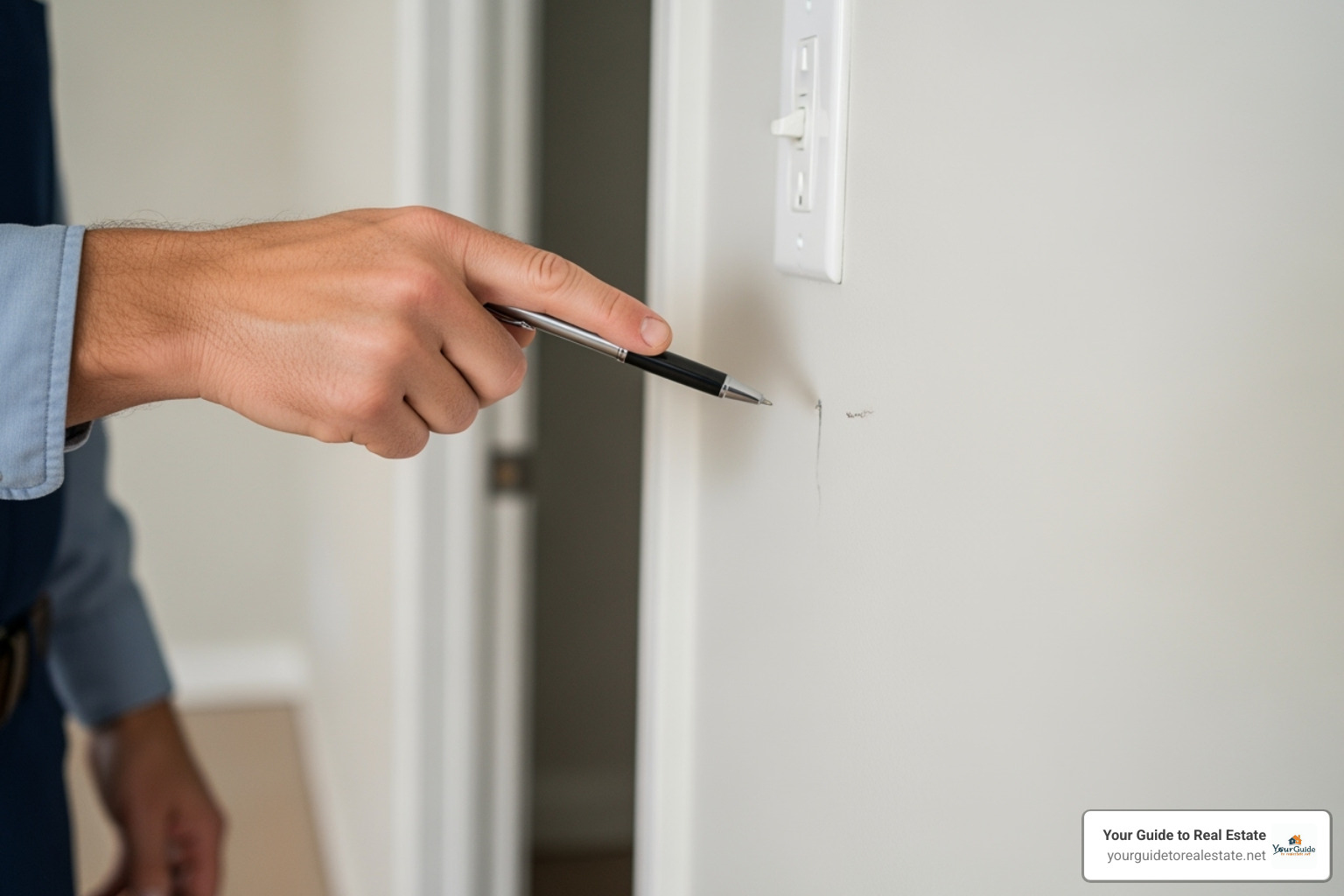
Common findings during this final phase include paint touch-ups needed or uneven application, drywall cracks or nail pops, loose hardware on doors or cabinets, misaligned doors or windows that don’t close smoothly, dripping faucets or slow drains, HVAC calibration issues where some rooms are too hot or cold, missing screens or broken window panes, improper grading that could direct water toward the foundation, incomplete caulking or trim work, reversed hot and cold water indicators, electrical outlets that don’t work, and missing requested items like custom shelving.
This final inspection is your last opportunity to identify problems and get them fixed before you take ownership. Once you close, getting the builder to address these issues becomes much more difficult. This is when you have the most leverage, so use it wisely.
Common Defects and Potential Costs
When you walk through a brand-new home, everything gleams. It’s easy to believe that perfection is what you’re getting. But beneath that fresh drywall and pristine paint, problems can lurk—and they’re more common than you might think.
New construction defects happen for all sorts of reasons. Sometimes it’s a rushed timeline as builders scramble to meet deadlines. Other times it’s a subcontractor having an off day, or simply someone missing a critical detail among the thousands that go into building a home. The good news? A thorough new home inspection can catch these issues before they become your expensive headaches.
HVAC system issues top the list of common problems. Your heating and cooling system might be brand new, but if it’s improperly installed, poorly calibrated, or paired with inadequate ductwork, you’re in for a frustrating future. Uneven temperatures throughout your home, sky-high utility bills, and a system that runs constantly but never quite gets comfortable—these are the telltale signs. 65% of new construction inspections find problems, and HVAC issues are among the most frequent.
Improper insulation is another sneaky culprit. Gaps in your walls, attic, or around windows and doors don’t just waste energy—they create uncomfortable drafts and can even lead to moisture problems that invite mold. You won’t necessarily see these gaps with the naked eye, which is why thermal imaging can be so valuable during an inspection.
Drainage and grading problems might not seem urgent when you’re admiring your new kitchen, but improper grading around your foundation is a ticking time bomb. When water pools against your house instead of flowing away from it, you’re looking at potential foundation damage, basement leaks, and mold growth. These issues only get worse with time.
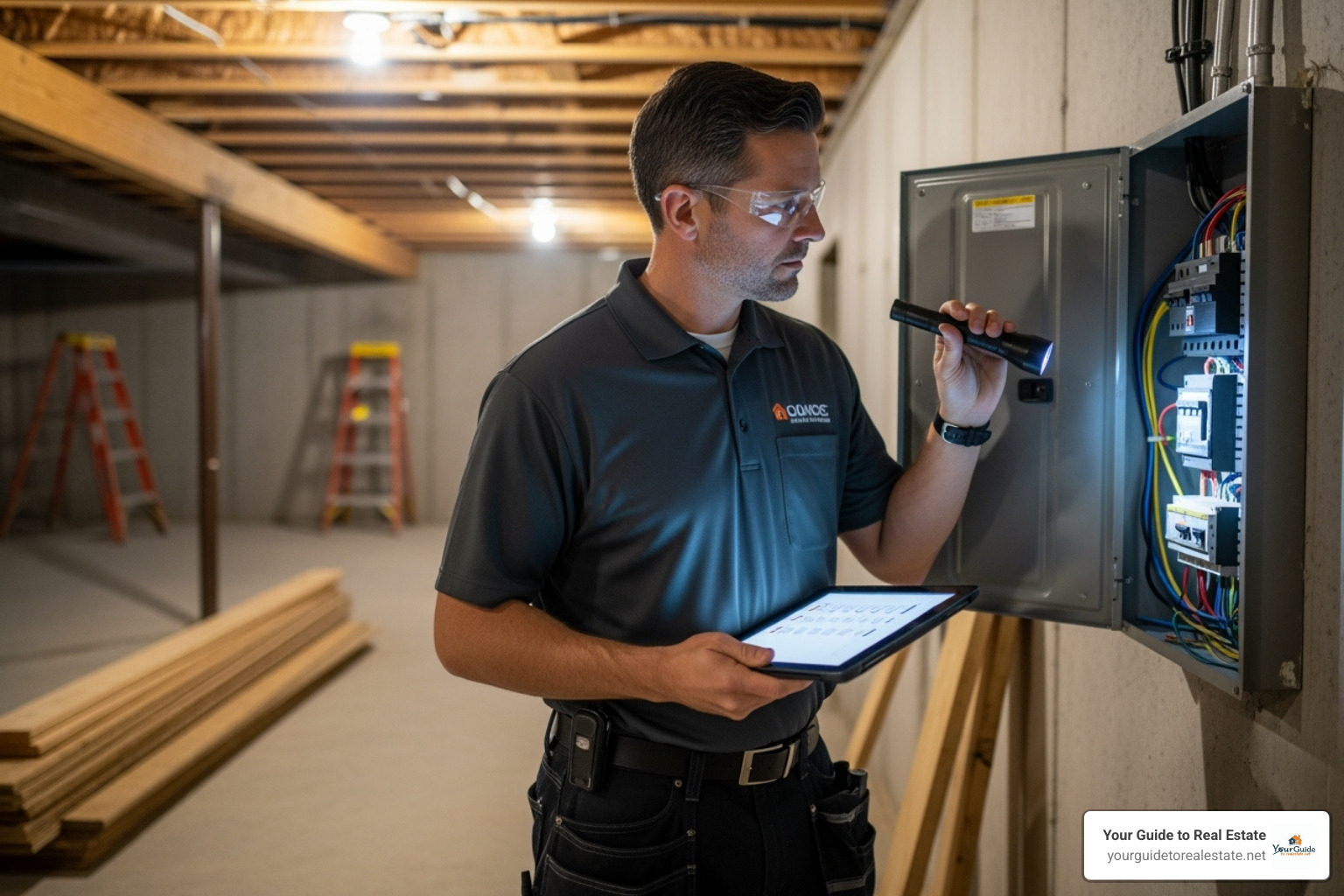
Electrical mistakes are particularly concerning because they can pose serious fire hazards. Faulty wiring, ungrounded outlets, or improperly installed circuit breakers might work fine for a while—until they don’t. We also frequently see homes with insufficient outlets in rooms, which while not dangerous, is certainly inconvenient in our device-filled world.
Plumbing leaks or pressure issues can range from annoying to destructive. Loose connections, pipes that are the wrong size, or even something as simple as reversed hot and cold water lines—all of these get finded during inspections. Left unchecked, plumbing problems can lead to water damage that spreads through walls and floors.
Window and door seal failures might seem minor, but improperly installed or sealed windows and doors are energy vampires. They let in drafts, allow water leaks during storms, and force your HVAC system to work overtime. The good news is that these issues are relatively easy to fix before closing—much harder afterward.
The beauty of catching these problems during phase inspections, especially the pre-drywall stage, is that they’re so much easier and less expensive to address. Once everything is covered up and finished, what might have been a simple fix becomes a major renovation project.
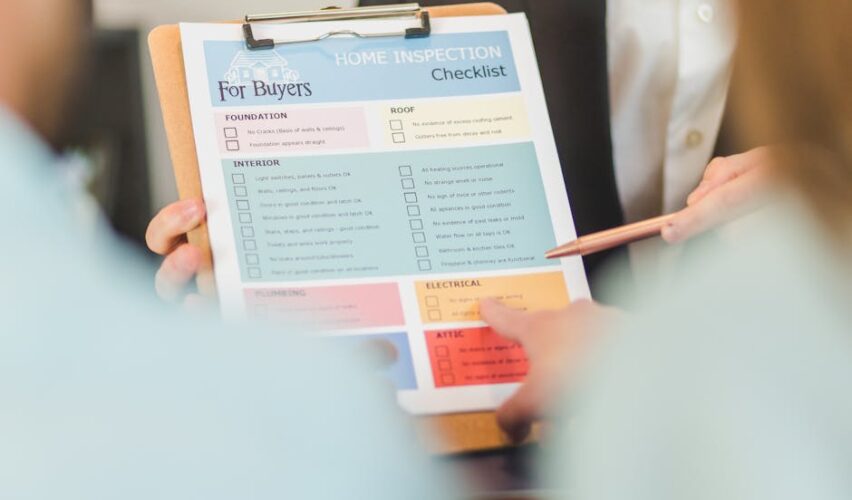
A home inspection checklist for buyers
The True Cost of a New Home Inspection vs. Future Repairs
Let’s talk numbers, because this is where the value of a new home inspection becomes crystal clear. The average inspection costs between $300-$500. That’s typically less than your monthly car payment, and about what you’d spend on a nice dinner for two (okay, maybe a really nice dinner).
Now compare that modest investment to what you could face if problems slip through undetected. We’ve put together a comparison that shows just how much that small upfront cost can save you:
| Issue Identified by Inspection | Potential Repair Cost (if missed) |
|---|---|
| Foundation Cracks/Issues | $20,000 – $100,000+ |
| Major Roof Leaks/Damage | $10,000 – $30,000+ |
| HVAC System Replacement | $8,000 – $15,000+ |
| Electrical System Overhaul | $5,000 – $20,000+ |
| Significant Plumbing Repairs | $1,000 – $10,000+ |
| Water Drainage/Grading | $500 – $5,000+ |
| Improper Insulation/Air Sealing | $1,000 – $5,000+ |
Look at that foundation line. A $20,000 repair on the low end, potentially reaching six figures for serious problems. And that’s just one potential issue. Imagine finding multiple problems after you’ve already closed and moved in. The stress alone would be worth avoiding, never mind the financial hit.
Here’s how we think about it: a home inspection isn’t an expense—it’s insurance. It’s protection for what’s likely the biggest investment you’ll ever make. Would you buy a $400,000 home without spending $400 to make sure it’s actually worth that amount? When you frame it that way, the decision becomes obvious.
The long-term savings go beyond just avoiding major repairs. Finding and fixing issues before closing means your home will perform better from day one. Your energy bills will be lower. Your systems will last longer. Your home will hold its value better. All of this adds up to thousands of dollars over the years you’ll own the home.
Our home inspection cost calculator
Specialty Inspections to Consider
Sometimes a standard new home inspection is just the beginning. Depending on what your inspector finds—or specific concerns you might have—there are specialized tests that can dig even deeper into your home’s condition.
Thermal imaging uses infrared cameras to see what the human eye can’t. These cameras detect temperature differences in your walls, ceilings, and floors, revealing hidden problems like missing insulation, air leaks, moisture intrusion, and even electrical hot spots. It’s like giving your inspector X-ray vision. If you’re concerned about energy efficiency or suspect moisture problems, thermal imaging is worth every penny.
Sewer line inspections involve running a specialized camera through your home’s main sewer line to check for cracks, blockages, tree root intrusion, or improper connections. This is especially important if your new home sits in an older development where the main sewer lines might have issues, or if there are large, mature trees nearby whose roots could already be causing problems.
Mold testing becomes necessary if you notice any musty odors or see visible signs of mold growth (though hopefully not in a brand-new home). A mold test identifies the type and concentration of mold spores present, which helps determine whether you need professional remediation and how extensive the problem might be.
Radon testing checks for a colorless, odorless radioactive gas that seeps up from the ground and is the second leading cause of lung cancer in the United States. Radon levels vary widely by region and even from house to house in the same neighborhood. A simple test measures the radon concentration in your home, and if levels are high, mitigation systems can be installed relatively easily and affordably.
We always recommend having a conversation with your inspector about whether any of these specialty tests make sense for your situation. If your general inspection reveals potential red flags—say, signs of moisture in the crawl space or unusual temperature variations in certain rooms—your inspector will likely suggest the appropriate specialty test. It’s about being thorough without going overboard, getting the information you need to make a confident decision about your new home.
Navigating the Inspection and Negotiation Process
Getting a new home inspection is just the first step. The real value comes from what you do with the information—and how you use it to ensure your new home is everything it should be before you sign on the dotted line.
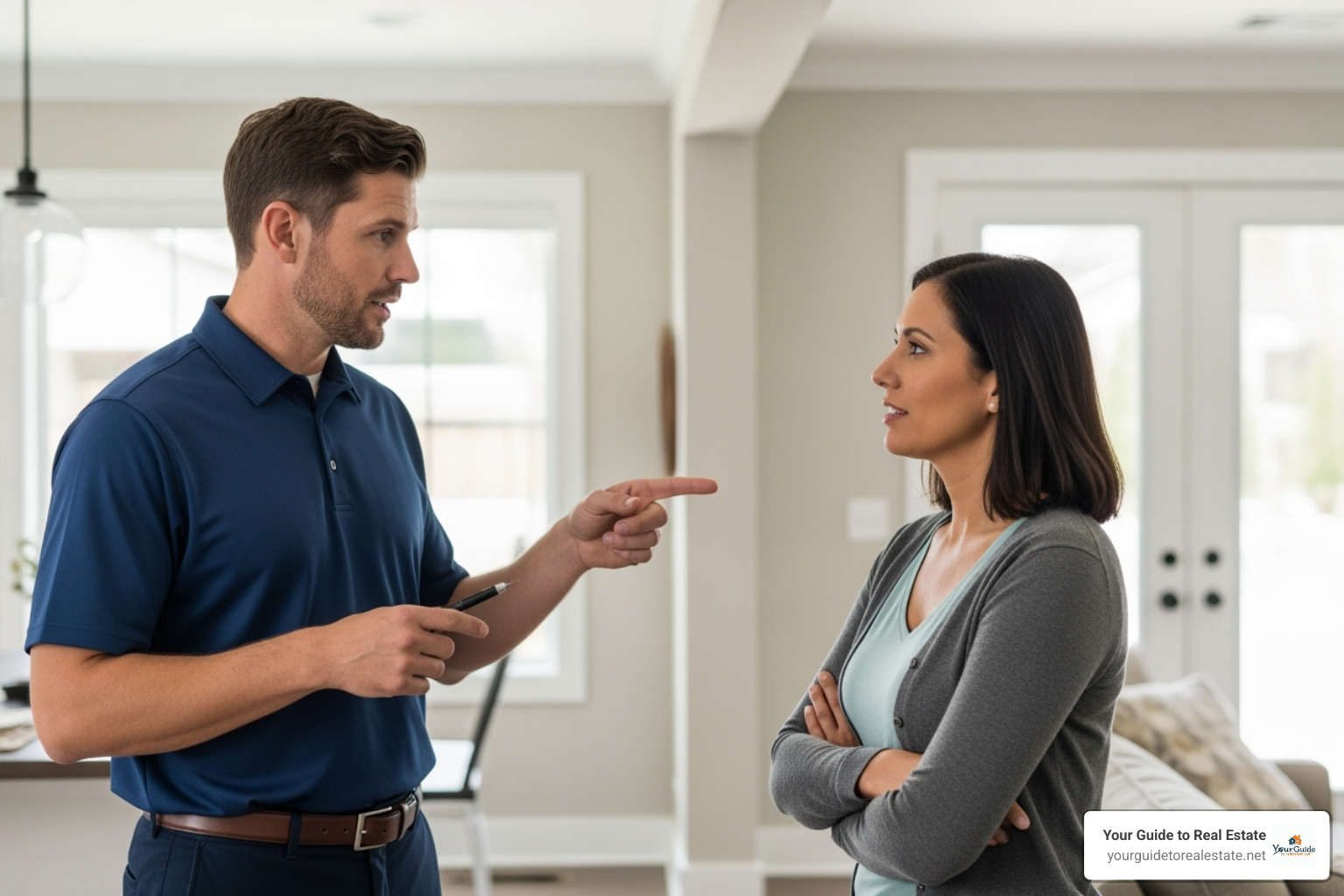
Think of the inspection process as a partnership between you, your inspector, and ultimately, your builder. Your role isn’t passive—you’re not just paying someone to hand you a report and hoping for the best. The more engaged you are throughout this process, the better equipped you’ll be to protect your investment and make informed decisions.
Attending your inspection is one of the smartest moves you can make. We can’t stress this enough. Yes, it takes a few hours of your time, but what you’ll learn is invaluable. Your inspector will walk you through the home, explaining how systems work, pointing out both issues and routine maintenance needs, and answering your questions in real time. Seeing a problem firsthand—whether it’s a misaligned window, improper flashing, or a poorly installed outlet—gives you context that a written report simply can’t match.
Don’t be shy about asking questions during the inspection. A good inspector welcomes curiosity and wants you to understand what they’re finding. Ask them to explain anything you don’t understand. Ask about severity. Ask about typical repair costs. Ask what’s urgent and what can wait. This is your education session about your specific home, taught by an expert who’s crawling through attics and checking electrical panels so you don’t have to.
The inspection report itself becomes your most powerful tool. It’s a detailed, objective document that catalogs every defect, concern, and recommendation the inspector found. Most reports include photos, detailed descriptions, and sometimes even repair recommendations. This isn’t just for your records—it’s your leverage in negotiations with the builder.
How to Find a Qualified Inspector
Not all home inspectors are created equal, and when it comes to new construction, you need someone who truly understands the unique challenges and common pitfalls of modern building practices.
Start by looking for proper certifications. The American Society of Home Inspectors (ASHI) and the International Association of Certified Home Inspectors (InterNACHI) are the two major professional organizations that set standards for the industry. ASHI focuses on advancing the profession and supporting professional growth of its members, while InterNACHI is the world’s largest trade organization for property inspectors. In California, the California Real Estate Inspection Association (CREIA) is another respected certification body. These organizations require ongoing education and adherence to strict standards of practice.
But certification alone isn’t enough. You want someone with specific experience in new construction inspections. Building a new home involves different materials, techniques, and potential issues than an older home. An inspector who regularly performs phase inspections and understands modern building codes and practices will catch things that a generalist might miss.
Ask to see a sample report before you commit. This gives you a window into how thorough they are, how clearly they communicate, and whether their reports will actually be useful in negotiations. A good report should be detailed but readable, with clear photos and explanations that make sense to a non-expert.
Don’t skip the vetting process. Check online reviews and ask for references from recent clients, especially those who bought new construction. Ask about their background—how long they’ve been inspecting, how many new homes they’ve inspected, whether they carry errors and omissions insurance (they should). A qualified inspector won’t be offended by these questions; they’ll appreciate working with an informed buyer.
16 Questions to Ask a Home Inspector
From Report to Resolution: Negotiating with the Builder
Here’s where the rubber meets the road. You’ve got your new home inspection report in hand, and it lists issues—maybe minor ones, maybe significant ones. Now what?
First, understand the difference between the builder’s final walkthrough and your independent inspection. The builder’s walkthrough is typically a quick tour where they point out features and note obvious cosmetic flaws—a paint smudge here, a loose doorknob there. It’s useful, but it’s not comprehensive, and the person conducting it works for the builder, not for you. Your independent inspection is thorough, objective, and focused entirely on identifying anything that could affect your safety, comfort, or wallet.
Use your inspection report to create a detailed “punch list” of items you expect the builder to address before closing. This is standard practice in new construction, and reputable builders expect it. The key is prioritization. Start with functional and safety issues—improper electrical wiring, plumbing leaks, HVAC problems, structural concerns, or anything that violates building codes. These are non-negotiable. Then add quality issues like poorly installed flooring, misaligned doors, or cosmetic defects. While builders are generally willing to fix legitimate problems, they may push back on purely aesthetic preferences that aren’t actual defects.
Everything needs to be in writing. This is critical. When the builder agrees to make repairs, get a written agreement that specifies exactly what will be fixed and when. A verbal promise means nothing if issues arise later. This documentation protects you if the builder tries to delay or deny repairs after closing, when your leverage has evaporated.
The inspection report is your leverage, but it’s not a hammer. Approach negotiations collaboratively rather than adversarially. Most builders want happy customers and will work with you to resolve legitimate issues. Present your punch list professionally, backed by your inspector’s findings. If the builder balks at certain items, you can negotiate alternatives—perhaps a credit at closing for minor issues you’re willing to address yourself, or a price reduction for more significant problems.
The timing matters enormously. Before closing, the builder is motivated to get the deal done. After closing, you’re relying on warranty coverage and the builder’s goodwill, which is a much weaker position. This is why identifying issues through phase inspections and a thorough final inspection is so valuable—you catch problems when fixing them is easiest and when the builder has the strongest incentive to make things right.
Tips for first-time homebuyers
If repairs do lag after closing, stay calm but persistent. Document every conversation, follow up in writing, and escalate to supervisors or management if necessary. If the builder becomes unresponsive, consider contacting your local Home Builders Association or the Better Business Bureau. In rare cases, you might need legal advice, but most issues can be resolved with patience and clear communication.
The bottom line? A new home inspection gives you information, but it’s what you do with that information that determines whether you move into a dream home or inherit someone else’s construction mistakes. Be present, ask questions, document everything, and don’t be afraid to advocate for yourself. This is likely the biggest purchase of your life—you deserve to get it right.
Frequently Asked Questions about New Construction Inspections
We hear the same concerns from homebuyers again and again when it comes to new home inspection. Let’s tackle the most common questions we get, so you can move forward with confidence.
Can a new home “fail” an inspection?
Here’s the truth: no, a home doesn’t “fail” a new home inspection. There’s no pass/fail grade attached to the process. Instead, think of it as a comprehensive health check-up for your future home.
Your inspector’s job is to examine the visible, accessible parts of your property and document what they find—the good, the concerning, and everything in between. They’ll note defects, safety issues, and components that need attention, but they’re not rendering a verdict on whether you should buy the home.
The inspection report becomes your negotiation tool. It gives you facts, not opinions. Armed with this information, you can have informed conversations with your builder about necessary repairs. It’s about empowering you with knowledge so you can make the best decision for your situation, not about stamping a red “FAILED” across your dream home.
What should I do if the builder or agent says an inspection isn’t necessary?
This is when you need to trust your instincts and politely ignore that advice. We’ve seen this scenario play out too many times, and it never ends well for the buyer who skips the inspection.
When someone tells you that a new home inspection is a waste of money because “everything is brand new” or “it comes with a warranty,” alarm bells should ring. Here’s what’s really going on. Your real estate agent has a fiduciary duty to protect your interests, not to rush you through closing. If they’re discouraging an inspection, they’re not putting you first. Sometimes agents have relationships with builders that could influence their recommendations, or they might just want a quick, smooth transaction.
The reality is that you need an unbiased, third-party opinion—someone who works exclusively for you and has no stake in whether the sale closes or not. We’ve seen countless homeowners in online forums and discussions share their regret about skipping inspections, finding expensive problems months or years later. One experienced homeowner put it bluntly: new construction is “often built with the cheapest labor and materials.”
Stand firm on this. Your peace of mind and financial protection are worth far more than the potential discomfort of pushing back on bad advice.
How long does a new home inspection take?
The timeline for your new home inspection depends on what’s being examined and how large your home is.
For a final inspection of a typical single-family home, plan on 3 to 4 hours. Your inspector will be checking every accessible system, running appliances, testing outlets, examining the roof, foundation, HVAC, plumbing, electrical—the works. Larger homes or properties with complex features like pools, detached structures, or extensive mechanical systems will naturally take longer.
Phase inspections are usually shorter since they focus on specific construction stages. A pre-pour foundation inspection might take 1 to 2 hours, while a pre-drywall framing inspection could run 2 to 3 hours, depending on the home’s size and complexity.
Whatever you do, don’t rush your inspector. The time they spend directly correlates to how thorough they can be. A rushed inspection defeats the entire purpose. When you schedule your inspection, ask your inspector for a time estimate based on your specific property. And if possible, plan to be there for the duration—you’ll learn invaluable information about your new home.
Conclusion
Buying a new home is one of life’s most exciting milestones. There’s something magical about walking through pristine rooms with gleaming finishes, knowing you’re the very first person to call this place home. But as we’ve explored together throughout this guide, that “new home” shine doesn’t automatically mean perfection. Behind those fresh walls and beneath those spotless floors, construction errors, rushed timelines, and quality inconsistencies can lurk—waiting to become your problem the moment you sign the closing papers.

That’s why a professional new home inspection isn’t optional—it’s essential. Think of it as your insurance policy against the unexpected, your advocate when you need one most, and your roadmap to ensuring the builder delivers what you paid for. Whether you opt for a comprehensive phased approach (catching issues at the foundation, framing, and final stages) or at minimum a thorough final walkthrough inspection, you’re protecting what’s likely your largest investment.
The numbers tell the story clearly. A $300-$500 inspection can save you tens of thousands in repairs down the road. When 65% of new construction inspections uncover issues and nearly a quarter require fixes before closing, skipping this step is simply too risky. It’s not about being difficult or distrusting your builder—it’s about being smart and informed.
By understanding what inspectors look for, knowing how to steer negotiations with your builder, and recognizing the difference between a municipal code check and a true quality assessment, you’ve already taken the first step toward a confident home purchase. You’ve learned that builder warranties have limits, that city inspectors focus on minimum standards rather than craftsmanship, and that your leverage is strongest before closing day.
At Your Guide to Real Estate, our mission is simple: we want you to succeed. We’re here to provide the proven framework and stress-free guidance you need to steer every step of your real estate journey. Don’t let anyone convince you that a new home inspection is unnecessary. Trust your instincts, ask the hard questions, and demand the quality you deserve.
When you finally get the keys to your new home, you should feel nothing but excitement and confidence—not worry about what might be hiding behind the walls. Invest in that inspection. Attend it. Ask questions. Use the report to ensure your builder makes things right. Then step through your front door knowing you’ve done everything possible to protect your family’s future.
Understand your new home’s true value with a market analysis