Why Understanding Real Estate Statuses Matters for Buyers and Sellers
What does pending mean in real estate is a common question for buyers who find their dream home already under contract. It means the seller has accepted an offer, all contingencies are met, and the sale is moving toward closing.
Quick Answer:
- Pending = Offer accepted, contingencies satisfied, awaiting closing
- Timeline = Usually 30-60 days until sale completes
- Availability = Property is off-market, but backup offers may be possible
- Status = Final stage before “sold” – deal is likely to close
You’ve found the perfect home, but its status is “sale pending.” Are you out of luck? Not necessarily. While a pending property is under contract, about 3-5% of these sales fall through. Understanding what pending means—and what options you still have—can be the difference between missing out and securing your dream home.
The journey from an active listing to sold involves key stages like “contingent” and “pending.” Each status signals important shifts in a property’s availability and your opportunity as a buyer.
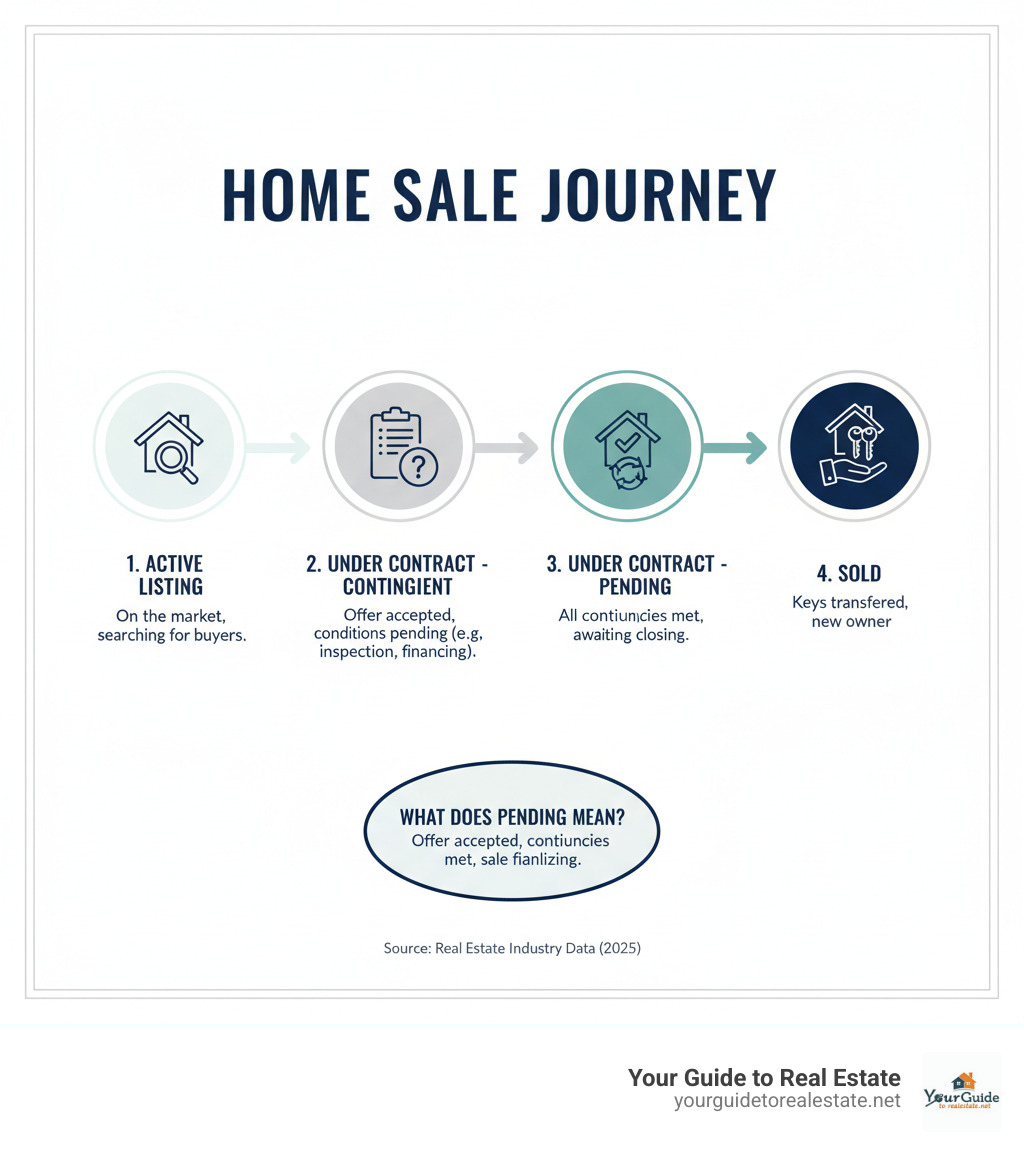
Simple guide to what does pending mean in real estate:
What Does Pending Mean in Real Estate? The Core Definition
Picture this: you’ve been house hunting for months, and you finally spot a property that makes your heart skip a beat. But when you check the listing, it shows “pending.” What exactly does that mean for your homebuying dreams?
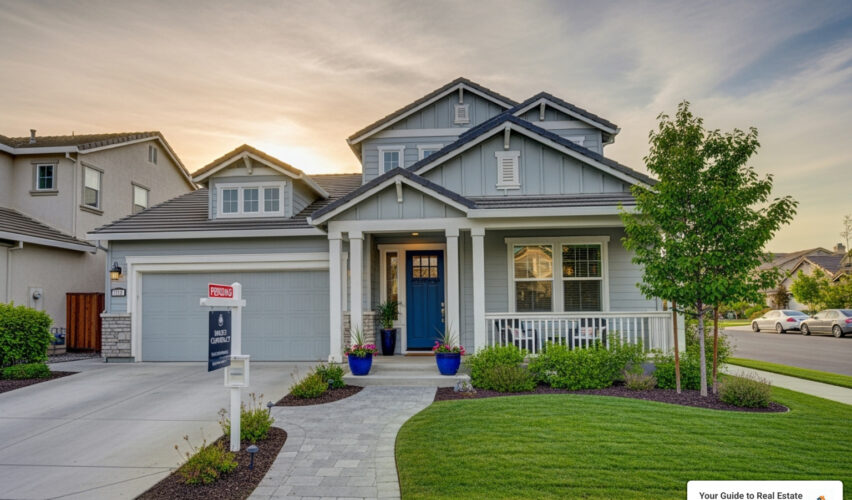
What does pending mean in real estate? Simply put, it means the seller has accepted an offer and signed a contract with a buyer. The heavy lifting of negotiations is done, and both parties are working toward closing. When a property moves to pending status, it’s essentially off-market and not being actively shown to other buyers.
The pending phase is all about finalizing the sale. During this time, the buyer and seller complete their tasks in the escrow process, such as finalizing mortgage paperwork and preparing for the move. If you’re navigating this process, our guide on Understanding Mortgages: A Beginner’s Guide to Home Loans can help you get up to speed.
Pending vs. Contingent: A Clear Distinction
Many people mix up “pending” and “contingent,” but they are different stages. Understanding this distinction is key.
A home listed as contingent means the seller has accepted an offer, but certain conditions (contingencies) must be met before the sale can proceed. Common contingencies include home inspections, mortgage approval, and appraisals. During this phase, there’s still uncertainty, and sellers often continue showing the home and accepting backup offers.
Pending status is different. By this point, all contingencies have been satisfied. The inspection went well, the appraisal came back at value, and the buyer’s financing is approved. Now it’s just a matter of completing the final paperwork for closing.
Here’s how these two statuses compare:
| Feature | Contingent | Pending |
|---|---|---|
| Offer Status | Accepted, but conditions apply | Accepted, conditions met |
| Outstanding Issues | Yes, contingencies still pending | No, all major problems cleared |
| Other Offers Welcome | Often yes, especially backup offers | Generally no, deal is solid |
| Closing Timeline | Uncertain until contingencies clear | On track, usually 30-60 days |
| Deal Security | Moderate risk of falling through | High likelihood of closing |
The key takeaway? Contingent homes still have question marks, while pending homes are much more committed to their current buyer. For a deeper dive, check out our article What Does Contingent Mean in Real Estate?
How Long Does a Property Stay Pending?
So you’ve found a home that’s pending – how long will you have to wait to see if it becomes available again? Most properties stay in pending status for 30 to 60 days. This timeframe allows everyone to complete the final steps before closing, a timeline supported by data from the National Association of Realtors®.
However, this timeline can vary:
- Mortgage Approval: The final underwriting process can take several weeks and is often the biggest time factor.
- Cash Purchases: These deals move much faster, often closing in as little as two weeks because there’s no mortgage process.
- Other Factors: Title issues, property repairs, or other complications can sometimes extend the pending period for months.
The bottom line? While 30-60 days is typical, most pending sales do close successfully. It’s usually better to keep searching for other options rather than waiting around for a pending home to become available.
The Pending Phase: Key Responsibilities and Processes
Once a property enters the pending phase, both buyers and sellers shift into high gear to complete the final steps toward closing. This is the home stretch where all agreements are put into action.
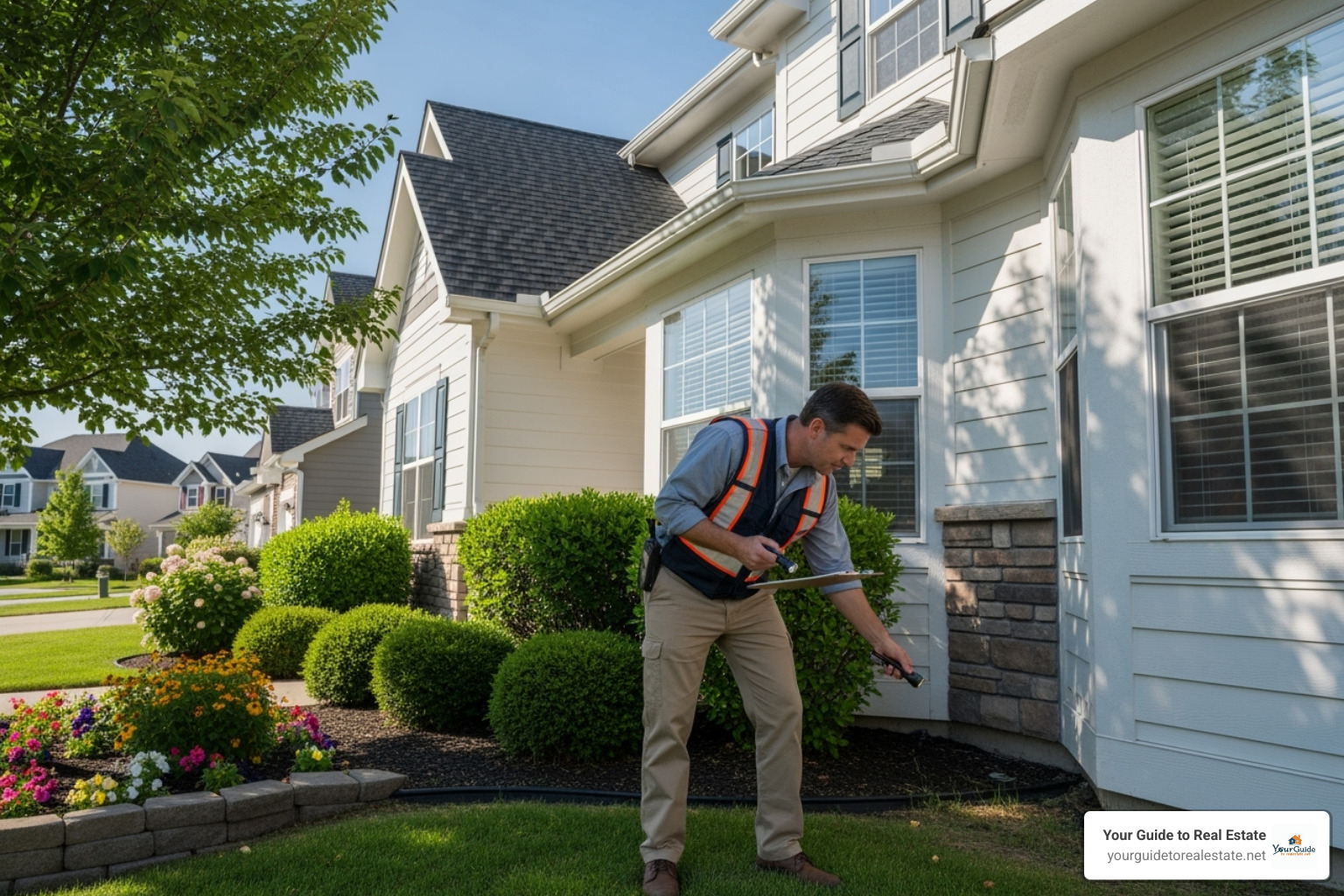
During this critical period, the escrow process takes center stage. A neutral third party holds all funds and documents, ensuring a secure transaction for both sides. To understand this crucial process better, see our guide on Understanding Escrow Process.
Understanding what does pending mean in real estate for buyers
For buyers, the pending phase is a mix of activity and anticipation. Your key responsibilities include:
- Securing Financing: Work with your lender to finalize your loan. Avoid making major purchases or taking on new debt, as your lender will verify your financial standing one last time.
- Completing Inspections: Wrap up any specialized inspections and ensure the seller has completed any agreed-upon repairs.
- Reviewing Paperwork: Carefully read all title reports, HOA documents, and seller disclosures. Ask your agent about anything that is unclear.
- Getting Homeowners Insurance: Your lender requires proof of insurance before funding the loan. Shop for rates early.
- Preparing Closing Funds: Have your down payment and closing costs (typically 2-7% of the purchase price) ready in an accessible account. Your earnest money deposit (1-2% of the price) will be applied toward these costs.
- The Final Walkthrough: This occurs just before closing. It’s your last chance to verify the property’s condition and that all repairs are done.
Our First-Time Homebuyer Tips can help keep you organized during this busy time.
Understanding what does pending mean in real estate for sellers
For sellers, pending status is a major milestone, but the work isn’t over. Your responsibilities include:
- Providing Access: Be flexible for appraisers, inspectors, and the buyer’s final walkthrough.
- Completing Repairs: Finish any repairs agreed upon during the inspection phase and keep receipts as proof.
- Maintaining the Property: Keep the home in the same condition as when the offer was accepted. Continue with lawn care and basic maintenance.
- Preparing to Move: Start packing and coordinating with movers. The home must be empty and clean by closing day.
- Gathering Documents: Organize warranties, manuals, and HOA paperwork for a smooth handover.
- Staying in Communication: Respond quickly to requests from your agent to prevent delays.
For more guidance, explore The Ultimate Guide to Selling Your Home: Tips, Timelines, and Tools.
The Role of Inspections and Appraisals
Even after most contingencies are cleared, inspections and appraisals can still pose challenges in the pending phase.
Home inspections, which usually happen earlier, give buyers negotiation leverage. If sellers refuse to address major issues found during the inspection, buyers can often walk away. About 67% of buyers make their offers contingent on inspections, highlighting their importance.
Appraisals are required by lenders to ensure the home’s value supports the loan amount. A low appraisal can be a potential deal breaker. If the home appraises for less than the sale price, the buyer may need to bring more cash to closing, the seller may need to lower the price, or the deal could fall apart. As the Consumer Financial Protection Bureau notes, a low appraisal can be risky for buyers.
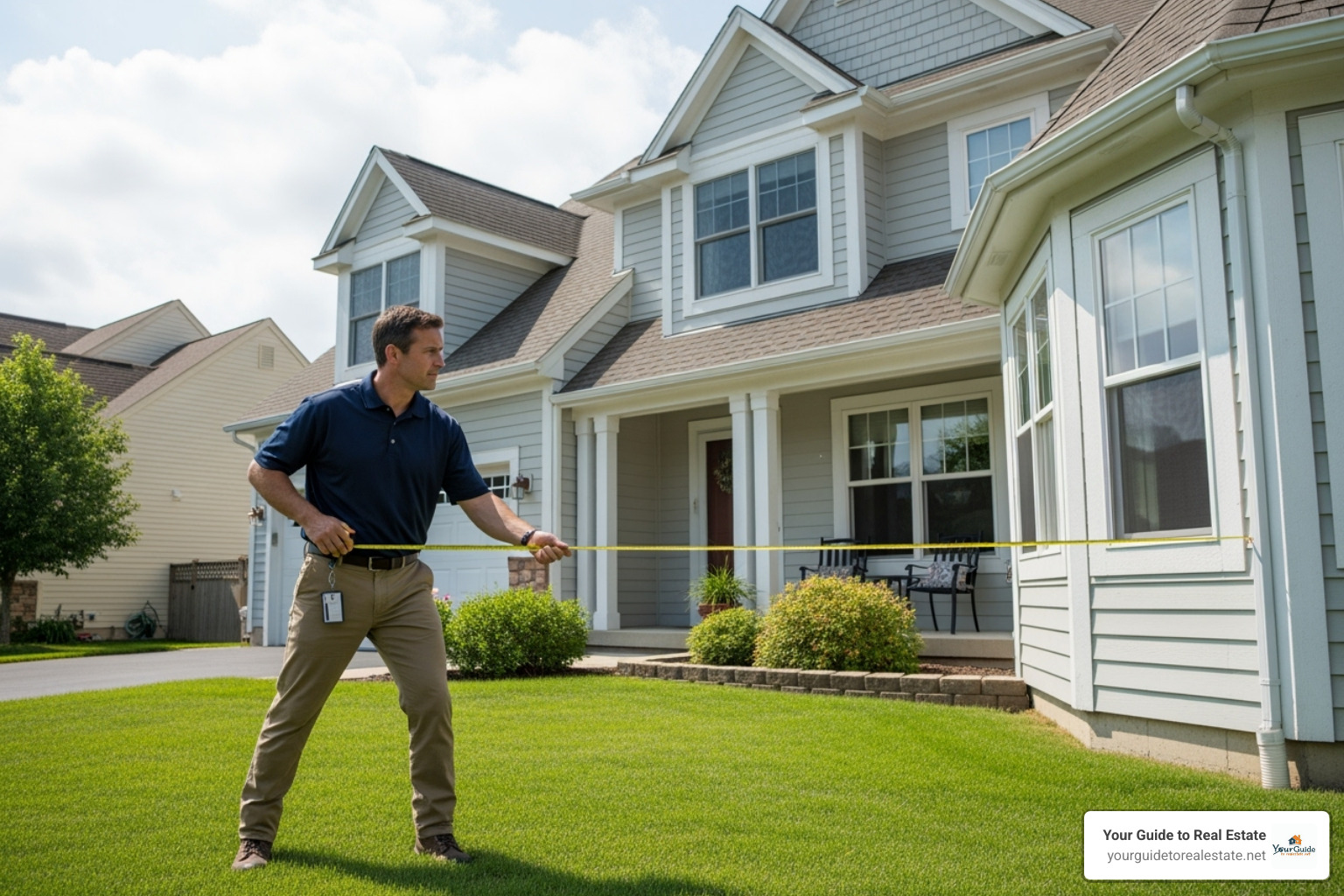
Both processes are safety nets that protect buyers and lenders, contributing to a more stable real estate market.
Can a Pending Sale Fall Through?
Even when a property is “pending,” the sale is not guaranteed. While this status means contingencies are cleared and both parties are committed, the deal can still fall through before closing.
Many people assume what does pending mean in real estate is the same as “sold,” but that’s not accurate. Approximately 3-5% of pending sales fail, and some data suggests the number could be higher. This is why sellers sometimes accept backup offers on pending properties as a safety net. In competitive markets, 40-50% of pending homes may remain open to backup offers.

Understanding that pending sales can fail is crucial. For a buyer, it means a dream home might still be attainable. For a seller, it means staying prepared until the final signature. An experienced agent is invaluable for navigating these uncertainties. Find one with our guide on How to Choose the Right Real Estate Agent: A Complete Buyer’s Guide.
Common Reasons a Pending Sale Fails
Several roadblocks can derail a sale during the pending phase. Here are the most common:
- Financing Issues: This is the top reason, accounting for about 42% of failures. A buyer’s loan can be denied during final underwriting due to changes in employment, credit score drops, or new debt.
- Low Appraisals: If the home appraises for less than the purchase price, the lender won’t finance the difference. The deal may collapse if the buyer and seller can’t agree on how to cover the gap.
- Inspection Problems: These cause about 25% of failures. New issues may surface, or sellers might refuse to make agreed-upon repairs, leading the buyer to walk away.
- Title Defects: A title search can uncover liens or ownership disputes (about 15% of failures), preventing a legal transfer of the property.
- Buyer’s Remorse: Some buyers have second thoughts or face life changes. While they risk losing their earnest money, they may still back out.
Can You Make an Offer on a Pending Home?
If your perfect home is listed as pending, you may still have a chance by making a backup offer. This positions you to be next in line if the primary deal falls through.
First, have your agent contact the listing agent to see if the seller is accepting backup offers. Some listings even state “Pending – Taking Backup Offers.”
To make your backup offer strong, consider offering a competitive price, minimizing contingencies, and having your financing pre-approved. Flexibility on the closing date can also be attractive to the seller.
If the primary deal collapses, sellers move quickly. You must be prepared to act within hours, not days. While backup offers aren’t a guarantee, they show you’re a serious buyer. An experienced agent can help you steer this strategy. For more on finding the right agent, see our Find Buyers Agent Complete Guide.
Frequently Asked Questions about Pending Homes
What are the legal rights of buyers and sellers when a property is pending?
When a property is pending, buyers and sellers are bound by a legal contract with specific rights and obligations.
- Buyer’s Rights: You have the right to receive the property in the agreed-upon condition. If a contingency in your contract isn’t met (like a low appraisal), you can typically back out and reclaim your earnest money. In rare cases where a seller defaults, you may be able to sue for “specific performance” to force the sale.
- Seller’s Rights: If a buyer backs out without a valid reason after all contingencies are met, the seller usually has the right to keep the earnest money deposit. The seller is also legally obligated to sell the home and cannot accept a better offer or change their mind without facing potential legal action.
Given that 10-15% of pending sales encounter issues, consulting a real estate attorney is wise if you’re unsure about your rights.
What are the final steps before a pending sale officially closes?
The last few days before closing are a whirlwind of final activity:
- Final Walkthrough: Typically 24-48 hours before closing, you’ll walk through the home one last time to ensure its condition is as expected and repairs are complete.
- Closing Disclosure: You’ll receive this document three business days before closing. It itemizes all your loan details and closing costs. Review it carefully.
- Signing Day: At the closing, you and the seller will sign a stack of legal documents to finalize the sale.
- Funding and Recording: Your lender sends the funds, and the title company records the new deed with the county, officially making you the owner.
- Getting the Keys: Once the sale is recorded, “pending” becomes “sold,” and you receive the keys to your new home!
What are the financial implications of a pending sale for buyers?
Understanding the finances of the pending phase helps you budget and avoid surprises.
- Earnest Money: This deposit (1-2% of the price) is held in escrow and applied to your down payment or closing costs. You risk losing it if you back out without a valid contractual reason.
- Upfront Costs: You’ll pay for the appraisal and home inspection out of pocket during this phase. These can cost several hundred dollars each.
- Closing Costs: This is a major expense, typically 2-7% of the home’s price. It covers lender fees, title services, and prepaid expenses like taxes and insurance.
- Title Insurance: This one-time fee protects you from future ownership claims. Learn more in our guide to Understanding Title Insurance.
Crucial Tip: Keep your finances stable during the pending period. Avoid new debt or large purchases, as your lender will likely re-verify your financial status just before closing.
Your Next Steps in the Home Buying Journey
Congratulations! You now understand what does pending mean in real estate and how to steer this critical stage. This knowledge is your advantage in a competitive market.
The key takeaway is that pending is not final. While most pending sales close, the 3-5% that fall through create opportunities for prepared buyers. For sellers, it’s a reminder to stay engaged until the deal is officially done.
If you’re a buyer eyeing a pending property, a backup offer can be a powerful strategy. Being first in line if the initial deal falters can make all the difference. For sellers, proactive preparation—from completing repairs to staying responsive—is the best way to ensure a smooth journey to the closing table.
The pending phase is about crossing the finish line with confidence. At Your Guide to Real Estate, our proven framework helps remove the stress from buying or selling a home.
Real estate doesn’t have to be intimidating. Understanding each step, from market analysis to closing, empowers you to make smart decisions. For a deeper look at how property values are determined, explore our comprehensive guide on Valuation and Market Analysis in Real Estate.
With these insights, you’re equipped to act confidently, whether you’re pursuing a pending property or searching for your next active listing.