

Understanding Contingent in Real Estate: Your First Step to Smarter Home Buying
If you’re wondering what does contingent mean in real estate, you’re not alone. This term appears on countless property listings and can determine whether your dream home purchase moves forward or falls apart.
Quick Answer:
- Contingent = An accepted offer with conditions that must be met
- Common contingencies include home inspection, financing approval, and appraisal
- Timeline typically ranges from days to weeks
- Protection allows buyers to withdraw without penalty if conditions aren’t met
When you see “contingent” on a listing, it means the seller has accepted an offer, but the deal isn’t final yet. Think of it as a conditional agreement – the sale will only happen if specific requirements are satisfied.
According to recent data, 67% of buyers make their offers contingent on passing a home inspection, while 61% of buyers include financing contingencies. This shows just how common and important these protective clauses are in real estate transactions.
The word “contingent” comes from Latin meaning “to touch” or “to happen” – which perfectly captures how these conditions can make or break a deal. As one real estate professional explained: “Payment is contingent on fulfillment of certain conditions” – and that’s exactly how it works in home buying.
Understanding contingencies helps you steer the complex world of real estate with confidence. Whether you’re a first-time buyer or experienced investor, knowing what contingent means protects your interests and keeps your transaction on track.
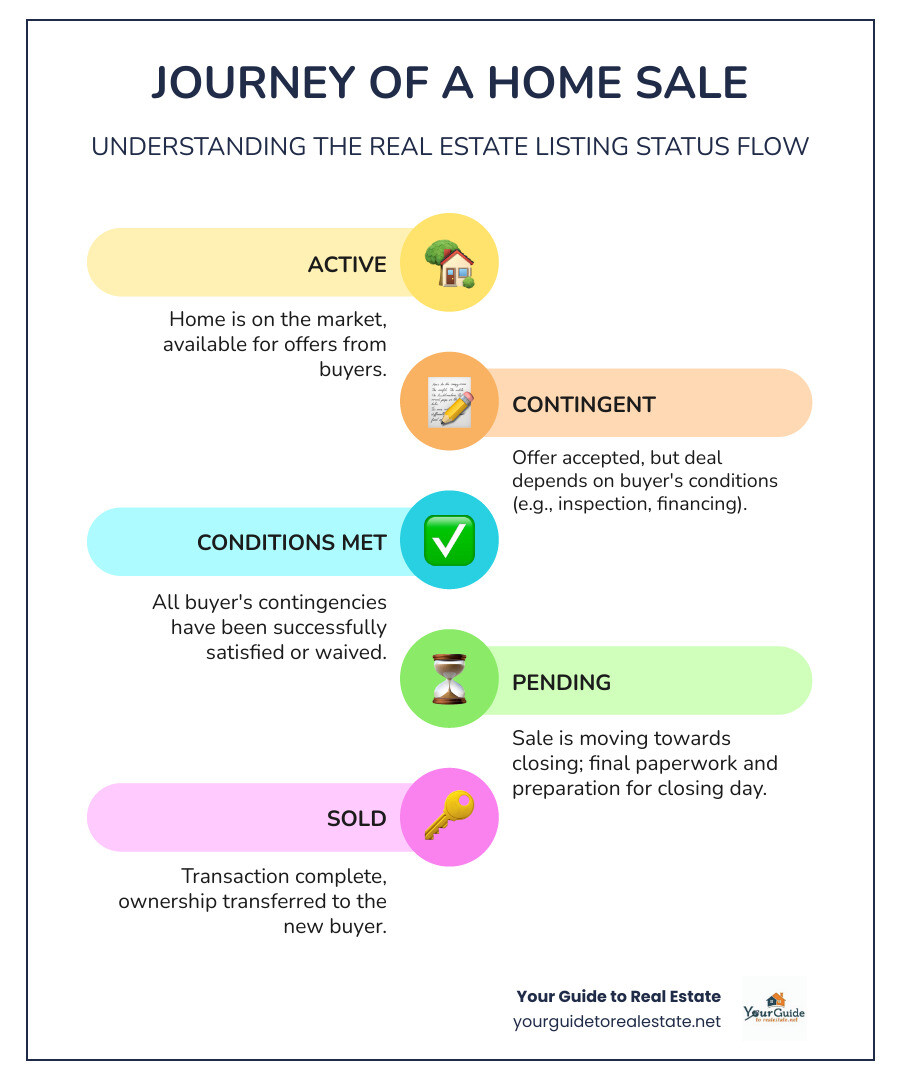
Must-know what does contingent mean terms:
What Does Contingent Mean in a Real Estate Transaction?
Picture this: you’ve found your dream home, made an offer, and the seller said yes! But before you start packing boxes, there’s an important step called “contingent” status. What does contingent mean in real estate? Simply put, it’s when a seller accepts your offer, but the sale depends on certain conditions being met first.
Think of a contingent offer as a conditional agreement – like saying “I’ll buy your house IF everything checks out.” This creates a safety net for buyers while giving sellers confidence that you’re serious about the purchase. You’ll typically put down an earnest money deposit to show good faith, but here’s the beautiful part: if your conditions aren’t met, you get that money back.
This arrangement protects both parties, especially buyers who need time for inspections, loan approval, and other important steps. It’s essentially a real estate contract that says “we have a deal, pending these specific requirements.” Without contingencies, you could end up stuck buying a house with serious problems or financing issues.
For a deeper dive into how this works, check out our Contingent Definition guide. And if you’re just starting your home-buying journey, our Easy Steps to Buying Your First Home will walk you through the entire process.
The Basic Definition of Contingent
The word “contingent” comes from Latin meaning dependent on conditions – and that’s exactly what it means in real estate. Something contingent is possible but not certain until specific requirements are fulfilled.
In legal terms, contingent means an event that may or may not happen, depending on whether certain conditions are met. It’s like a row of dominoes – for the final sale to happen (the last domino), all the smaller conditions (earlier dominoes) must fall into place first.
These conditions get written directly into your contract clauses, making them legally binding and crystal clear. Without these protective clauses, buyers could find themselves forced to purchase properties with hidden problems or face unexpected financial burdens.

How Contingencies Protect Buyers
Contingencies are your best friend as a buyer – they’re like having a right to withdraw from the deal without losing your shirt. If something goes wrong during your due diligence period, you can walk away with your earnest money refund intact.
This gives you incredible negotiation power. Let’s say the home inspection reveals a cracked foundation. You’re not stuck! You can ask the seller to fix it, negotiate a lower price, or simply cancel the contract. Your deposit comes back to you, no questions asked.
This protection is especially valuable for first-time buyers who might feel overwhelmed by the process. Contingencies provide peace of mind during what can be a stressful time. They ensure you have adequate time for your due diligence period – whether that’s getting your financing in order, thoroughly inspecting the property, or coordinating the sale of your current home.
The beauty of contingencies is they level the playing field. Without them, sellers would hold all the cards. With them, you can make informed decisions and protect your financial interests throughout the transaction. For more guidance on navigating your first purchase, visit our First-Time Homebuyer Tips page.
Common Contingency Clauses Explained
When you’re diving into a real estate contract, you’ll encounter several types of contingency clauses that act as your safety net. These aren’t just legal jargon – they’re practical protections written into your purchase agreement as a contract addendum. Each contingency addresses different buyer conditions that could make or break your home purchase.
Think of contingencies as your “what if” scenarios covered in advance. What does contingent mean for your specific situation? It means having the power to walk away if things don’t go as planned, without losing your hard-earned money.
Inspection Contingency
The professional home inspection contingency is your detective work phase. Within typically 7-14 days of your accepted offer, you’ll have a qualified inspector examine every nook and cranny of the property. They’re looking for structural issues, electrical problems, plumbing concerns, and other potential headaches.
Here’s why this matters: 67% of buyers make their offers contingent on passing a home inspection. That’s because nobody wants to find major problems after they own the house. If your inspector finds issues like a leaky roof or faulty wiring, you have options.
You can negotiate with the seller for repair negotiations, ask for a price reduction, or exercise your buyer’s right to cancel the entire deal. The beauty of this contingency is that it gives you real power – you’re not stuck buying someone else’s problems.
Financing or Mortgage Contingency
Unless you’re paying cash, you’ll need this contingency. It protects you if your lender can’t come through with the promised loan approval. Even with pre-approval, things can change during the underwriting process.
The numbers tell the story: 61% of buyers rely on mortgage financing, making this contingency almost universal. Your lender has their own requirements they need to verify, from your employment status to the property’s condition. If something goes sideways and you can’t secure financing, this contingency lets you walk away with your earnest money intact.
For a deeper understanding of how mortgages work in this process, check out our guide on Understanding Mortgages: A Beginner’s Guide to Home Loans.
Appraisal Contingency
Even if you love the house and agree on a price, your lender needs to confirm the property is actually worth what you’re paying. That’s where the appraisal contingency comes in. It’s protecting the lender (and you) from overpaying.
The appraiser conducts an independent property valuation to determine the loan-to-value ratio. If the appraisal comes in lower than your agreed purchase price, you’ve got an appraisal gap situation. Without this contingency, you’d be stuck covering that difference out of your own pocket or losing your deposit.
With the appraisal contingency in place, you can renegotiate the price, decide to pay the difference, or simply walk away. It’s your shield against overpaying in an emotional buying decision. Our article on How to Shop Mortgage offers more insights into how appraisals affect your financing.
Home Sale Contingency
This contingency is for buyers who need to sell their current home before buying a new one. It prevents you from ending up with two mortgage payments or the stress of selling a current home under pressure.
While it’s great protection for buyers, sellers often view this contingency less favorably. It adds uncertainty to their sale and potentially extends the timeline. Coordinating closing dates becomes a delicate balancing act – your current home sale needs to align perfectly with your new home purchase.
In competitive markets, sellers might choose offers without this contingency, preferring deals that don’t depend on another property sale. It’s understandable – they want certainty too.
Contingent vs. Pending: What’s the Difference?
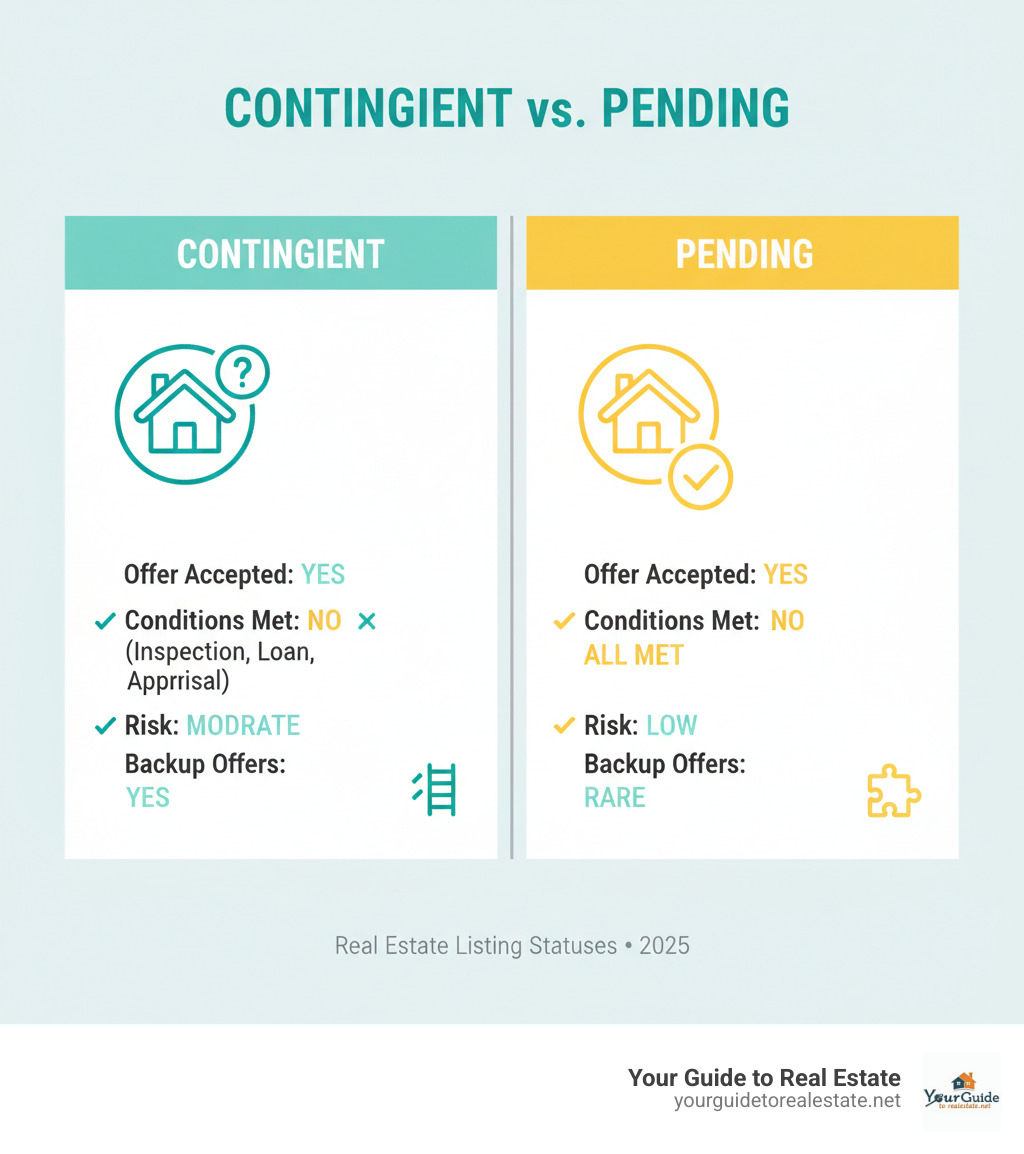
If you’ve been house hunting, you’ve probably noticed that what does contingent mean becomes clearer when you compare it to “pending.” Both terms show up on listing status updates, and while they might seem similar, they represent very different stages in the transaction timeline. Think of it as the difference between “we’re working on it” and “we’re almost done!”
These MLS terms give everyone involved – from real estate agents to potential buyers – a quick snapshot of where things stand. Understanding this distinction can save you time and help you make smarter decisions about which properties to pursue.
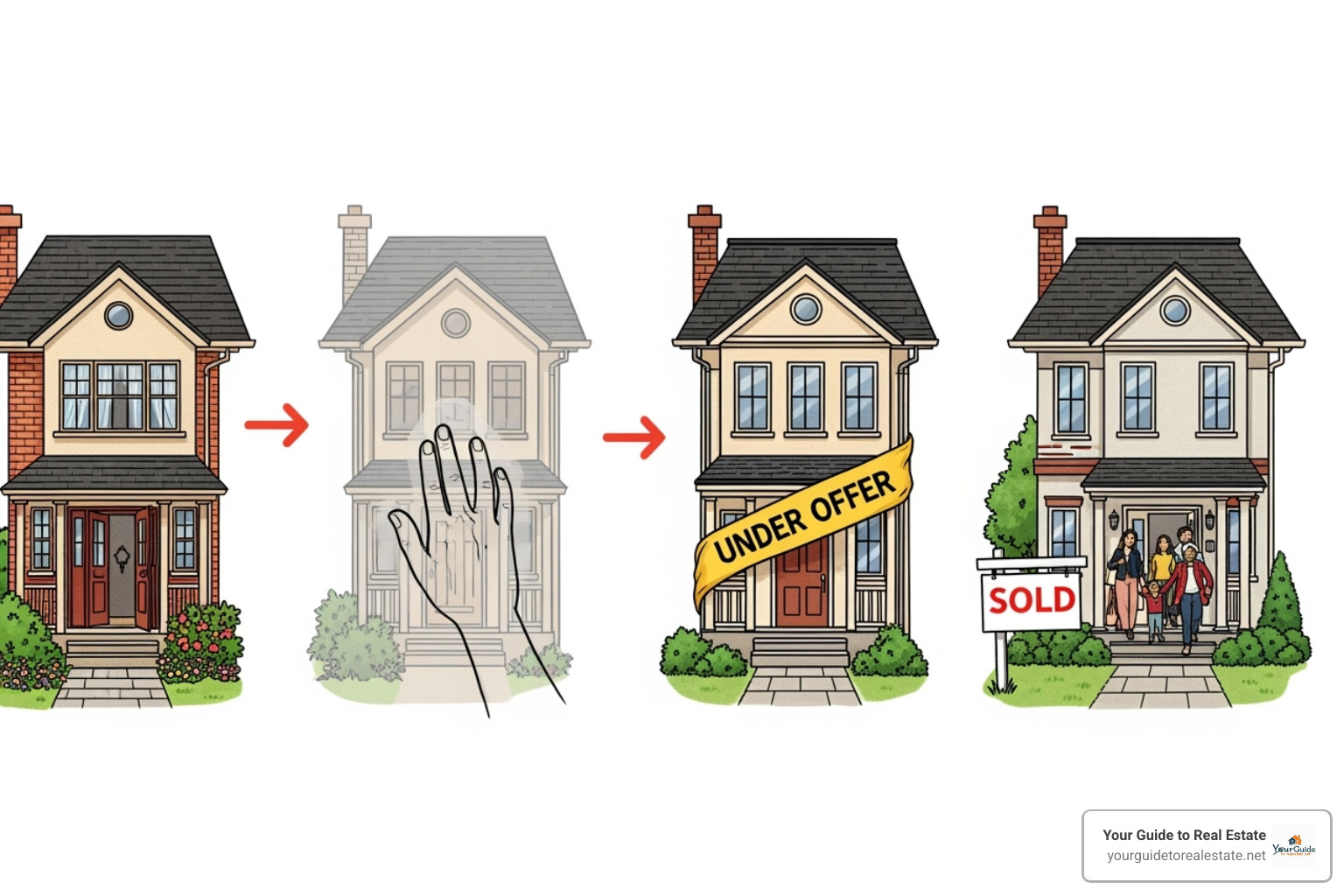
The “Contingent” Status
When you see “contingent” on a listing, it means the seller said “yes” to an offer, but there’s still work to do. Those conditions outstanding we talked about earlier? They’re still hanging around, waiting to be satisfied. The deal hasn’t crossed the finish line yet because these active contingencies need to be checked off first.
This is why contingent homes sometimes feel like they’re in limbo. The sale could still fall through if the buyer can’t get financing, if the inspection reveals major problems, or if other conditions aren’t met. It’s a conditional acceptance – everyone’s committed if everything works out as planned.
Here’s something interesting: you might still see backup offers being accepted on contingent properties. Smart sellers know that deals can fall apart, so they keep their options open just in case.
The “Pending” Status
Now we’re talking! When a listing moves from contingent to pending, it’s like watching all the pieces fall into place. This status means all contingencies have been met – the inspection passed, the financing came through, the appraisal looked good, and any other conditions were satisfied.
At this point, the sale is moving confidently toward closing day. The buyer and seller are now focused on final paperwork, title searches, and preparing for that exciting moment when keys change hands. While the deal isn’t technically complete until closing, the major problems have been cleared.
The likelihood of a pending sale falling through is much lower than a contingent one. Most of the uncertainty has been removed, and everyone can breathe a little easier. The property is essentially off the market, even though the final signature hasn’t happened yet.
Special Contingent Statuses: What does contingent mean with a kick-out clause?
Real estate gets more interesting when you dig into the details. Some contingent listings come with special conditions that give sellers more flexibility. These variations can make a big difference in your strategy as a buyer or seller.
Contingent Continue to Show (CCS) is probably the most common variation. This means the seller accepted a contingent offer but isn’t putting all their eggs in one basket. They’re still showing the home and considering backup offers. If something better comes along, they can activate a kick-out clause to give the original buyer a short deadline – usually 24 to 72 hours – to remove their contingencies or step aside.
Contingent No-Show works differently. Here, the seller is confident enough in their current buyer that they’ve stopped showing the property. They’re patiently waiting for the contingencies to be resolved without actively seeking alternatives.
The kick-out clause itself is a powerful tool that essentially tells the first buyer: “Meet your conditions quickly, or we might move on.” It’s particularly common when the original offer includes a home sale contingency, which can take weeks or months to resolve.
These special statuses show that even within “contingent,” there are different levels of commitment and flexibility. Understanding these nuances helps you gauge your chances and plan your next move accordingly.
Navigating a Contingent Listing as a Buyer or Seller
Finding a home marked as contingent doesn’t mean the door is closed – it just means you need a different strategy. What does contingent mean for your next move? It depends on whether you’re buying or selling, and understanding market conditions can make all the difference. The key is having the right guidance, which is why our How to Choose the Right Real Estate Agent: A Complete Buyer’s Guide is so valuable in these situations.
Think of contingent listings as opportunities in disguise. While they require patience and strategic thinking, they often lead to successful transactions for both buyers and sellers who know how to steer them properly.
For Buyers: Making an Offer on a Contingent Home
Spotted your dream home but it’s showing as contingent? Don’t give up hope! Many buyers assume a contingent listing means “hands off,” but that’s not always true. Submitting a backup offer is often your best strategy, especially when the current deal involves a home sale contingency or other complex conditions.
The secret to a successful backup offer is strengthening your offer in every way possible. Get fully pre-approved for your mortgage (not just pre-qualified), offer a competitive price, and minimize your own contingencies if your financial situation allows it. This shows the seller you’re serious and ready to move quickly if needed.
Being prepared to wait is part of the game. You might find yourself in limbo while the first buyer works through their contingencies. It’s not the most comfortable position, but patience often pays off in real estate.
What happens if contingencies are not met can work in your favor. When the original buyer can’t secure financing, finds major problems during inspection, or fails to sell their current home, they typically have the right to walk away and get their earnest money back. That’s when your backup offer steps into the spotlight.
The original buyer only loses their earnest money if they breach the contract without a valid contingency reason. Most of the time, buyers who walk away do so because of legitimate contingency issues, which means the home returns to market – potentially with your name already at the top of the list.
For Sellers: Implications of a Contingent Offer
Accepting a contingent offer feels a bit like a calculated risk, and honestly, that’s exactly what it is. On the positive side, you have a committed buyer and your home is effectively off the active market, reducing competition from other listings. There’s also something reassuring about having a structured path toward closing.
The flip side? The uncertainty can be nerve-wracking. Your sale isn’t guaranteed until those conditions are satisfied, which can be especially stressful if you’re trying to coordinate buying your next home. It’s like having one foot in your current house and one foot out the door.
Here’s some encouraging news: contingent offers are more reliable than many people think. Only 5% of purchase contracts fell through in a recent three-month period, according to a June 2024 survey by the National Association of REALTORS®. When deals do fall apart, it’s usually due to inspection issues or financing problems – not because contingencies are inherently unreliable.
This low fall-through rate means that while contingencies add conditionality to your sale, the vast majority of these deals still reach the closing table successfully. For more comprehensive selling strategies, check out The Ultimate Guide to Selling Your Home: Tips, Timelines, and Tools.
The Big Question: Should You Ever Waive Contingencies?
In red-hot markets, some buyers consider the nuclear option: waiving contingencies entirely. It’s a high-risk strategy that can make your offer irresistibly attractive to sellers, but it comes with the potential for significant financial loss.
Waiving inspection means accepting the home “as-is,” giving up your right to request repairs or walk away based on what an inspector finds. You could inherit expensive surprises like foundation issues or electrical problems. Waiving appraisal commits you to paying the agreed price even if the home appraises for less, meaning you’ll cover any appraisal gap from your own pocket. Waiving financing is perhaps the riskiest move – you’re promising to buy regardless of whether you actually get approved for a loan.
Should you ever consider this? Generally speaking, it’s not advisable unless you have substantial cash reserves, significant real estate experience, or rock-solid confidence in both the property and your financial situation. It’s essentially removing your safety net to win a competitive bidding war.
Before making such a dramatic move, consult with your real estate agent and consider the broader market context. Our Housing Market Forecast can help you understand whether such aggressive tactics are necessary in your local market – or if patience might be the wiser choice.
Frequently Asked Questions about “What Does Contingent Mean”
We know that understanding what does contingent mean can feel overwhelming when you’re in the middle of a real estate transaction. Don’t worry – you’re not alone in having questions! These are the most common concerns we hear from buyers and sellers every day.
How often do contingent offers actually fall through?
Here’s some reassuring news: contingent offers are actually quite secure, despite their conditional nature. The numbers tell a compelling story – only 5% of all purchase contracts fell through in recent months according to the National Association of REALTORS®. That means 95% of contingent deals successfully make it to closing!
When deals do fall apart, it’s usually not because contingencies are inherently risky. Instead, the most common culprits are inspection issues that can’t be resolved (think major structural problems the seller won’t fix) or financing problems (like when a buyer’s loan gets denied at the last minute). The contingency itself isn’t the problem – it’s actually doing its job by protecting buyers from these exact situations.
This low fall-through rate should give you confidence whether you’re buying or selling. Contingencies aren’t deal-breakers; they’re deal-protectors.
Can a seller accept another offer while their house is contingent?
This is where things get interesting, and the answer depends entirely on what’s written in the original contract. It’s not a simple yes or no – the devil is truly in the details.
If the contract includes a “kick-out clause” or the home is listed as “contingent continue to show,” then yes, the seller can absolutely accept another offer. Here’s how it works: when a better offer comes along, the seller can give the original buyer a short deadline (usually 24 to 72 hours) to remove their contingencies or lose the deal. It’s like saying, “fish or cut bait!”
But if there’s no kick-out clause in the contract, the seller is legally committed to the first buyer. They can’t just jump ship for a better offer without risking serious legal trouble for breaking their contract.
The key takeaway? Always read the fine print, and make sure you understand what type of contingent status you’re dealing with.
How long does a house stay in contingent status?
The timeline for what does contingent mean in terms of duration is like asking “how long is a piece of string?” – it really depends on which contingencies are involved and their specific deadlines.
Inspection contingencies move the fastest, typically wrapping up in 7 to 14 days. Appraisal contingencies usually take 2 to 4 weeks, depending on how busy appraisers are in your area. Financing contingencies can stretch from 3 to 6 weeks while lenders work through their underwriting process.
The wildcard is the home sale contingency. This one can drag on for months if the buyer is struggling to sell their current home. It’s why many sellers prefer offers without this particular condition.
Most homes stay contingent for somewhere between a few days to several weeks while all the inspections, appraisals, and paperwork get sorted out. Once everything checks out and all contingencies are removed, the status changes to “pending” – and that’s when you know the finish line is in sight!
Conclusion
Congratulations! You’ve just mastered one of the most important concepts in real estate. Understanding what does contingent mean isn’t just about learning vocabulary – it’s about gaining the confidence to make smart decisions in what’s likely the biggest financial transaction of your life.
Think of contingencies as your safety net in the high-wire act of home buying and selling. These crucial safeguards protect your hard-earned money while giving you the power to walk away if something doesn’t feel right. Whether it’s finding that dream home has a leaky roof or your financing falls through unexpectedly, contingencies ensure you’re not left holding the bag.
We’ve walked through the journey together – from understanding real estate statuses like contingent versus pending, to exploring common contingency types that protect buyers every day. With only 5% of contracts falling through, the odds are strongly in your favor when you have proper contingencies in place.
The beauty of understanding these concepts is how they transform what once seemed like confusing legal jargon into stress-free transactions. You now know that a contingent listing doesn’t mean “hands off” – it might mean opportunity. You understand when to stand firm on your contingencies and when flexibility might serve you better.
At Your Guide to Real Estate, we believe knowledge is your most powerful tool. Whether you’re eyeing your first home, planning to sell, or building an investment portfolio, understanding terms like “contingent” puts you in the driver’s seat. You’re no longer just hoping for the best – you’re making informed decisions with confidence.
Ready to put this knowledge into action? Get a professional valuation and market analysis for your property and take your next step with the expertise you deserve. Your real estate journey just got a whole lot smarter.