Understanding White Gold vs Yellow Gold: Key Differences at a Glance
When considering white gold vs yellow gold for jewelry, you’re choosing between two distinctly different metals that share the same precious foundation but offer contrasting aesthetics and characteristics.
Quick Comparison:
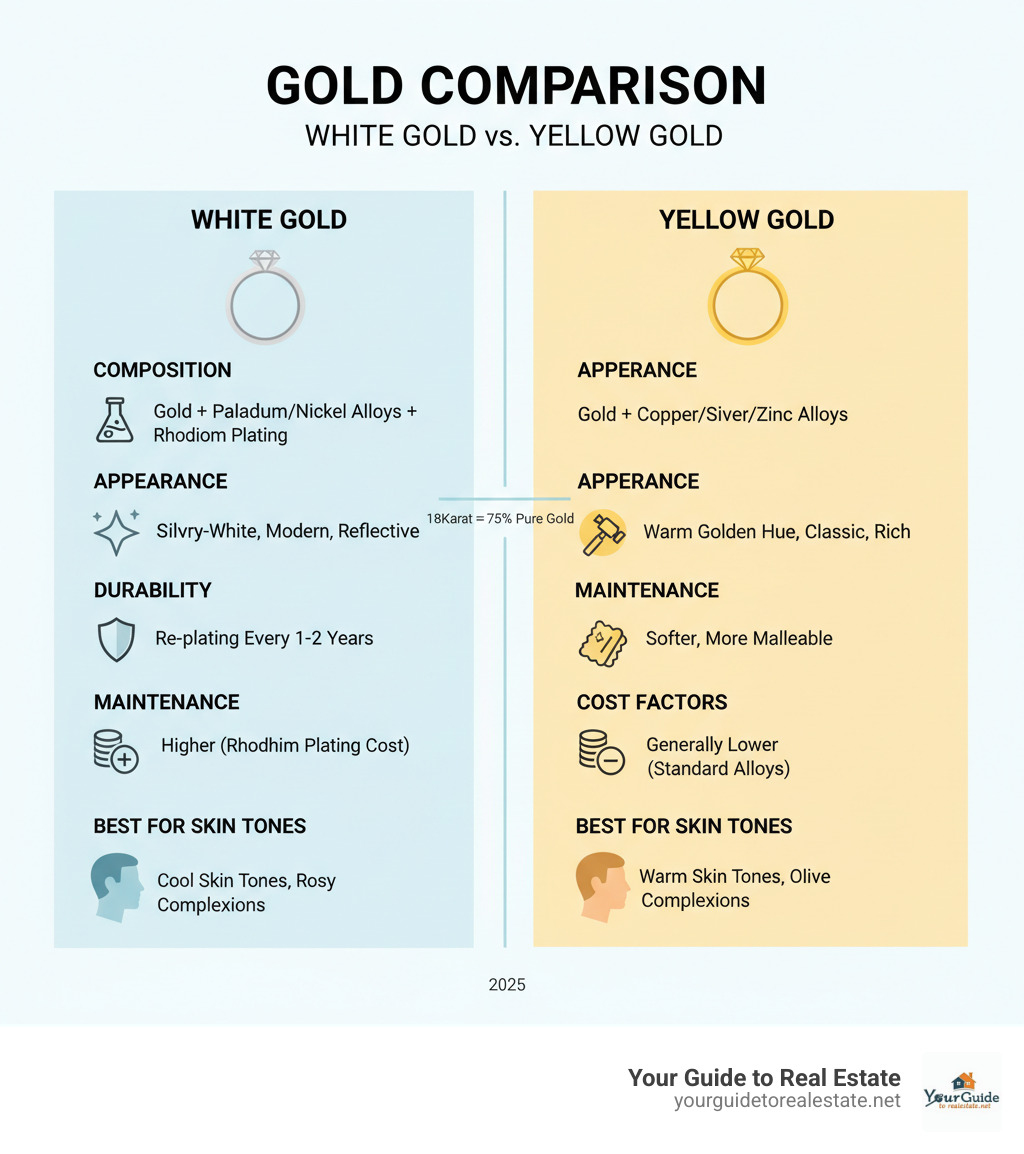
| Aspect | White Gold | Yellow Gold |
|---|---|---|
| Color | Silvery-white, modern | Warm golden hue, classic |
| Composition | Gold + white metals (palladium/nickel) + rhodium plating | Gold + copper/silver/zinc alloys |
| Durability | Slightly stronger due to alloys | Softer, more malleable |
| Maintenance | Requires re-plating every 1-2 years | Regular polishing needed |
| Cost | Usually more expensive (rhodium plating) | Generally less expensive |
| Best For | Cool skin tones, modern styles | Warm skin tones, traditional looks |
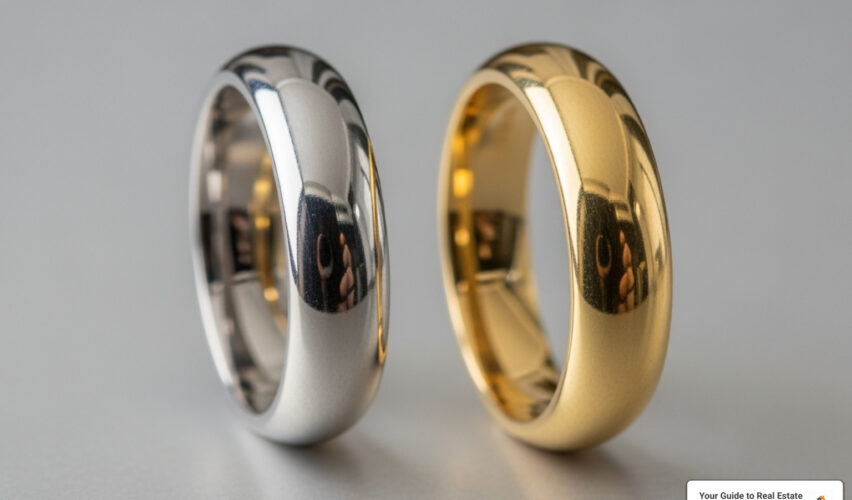
The fundamental difference lies in their creation: yellow gold maintains the natural warm color of pure gold through traditional alloys like copper and silver, while white gold achieves its silvery appearance through white metal alloys and a rhodium coating that gives it that bright, platinum-like finish.
Both metals contain the same amount of pure gold when comparing identical karat weights – an 18k white gold ring has exactly as much gold as an 18k yellow gold ring. The 25% difference comes from the supporting metals that create durability and color.
Your choice ultimately depends on personal style preferences, skin tone, maintenance commitment, and budget considerations. White gold offers a contemporary aesthetic but requires periodic re-plating, while yellow gold provides timeless elegance with simpler upkeep.
Find more about white gold vs yellow gold:
What’s in Your Gold? Composition and Creation
Here’s something that might surprise you: that beautiful gold ring on your finger isn’t actually pure gold. And that’s a good thing! Pure 24-karat gold is incredibly soft – so soft that you could literally dent it with your fingernail. Imagine wearing a ring made of pure gold to work every day. By the end of the week, it would look more like abstract art than jewelry!
This is why jewelers mix gold with other metals called alloys. Think of it like baking – you need the right combination of ingredients to get the perfect result. These alloys don’t just make gold stronger; they also create the beautiful color differences we see in white gold vs yellow gold.
In the UK, there are strict hallmarking standards that protect buyers like us. Any gold jewelry weighing more than one gram must be officially tested and marked by government assay offices. This little stamp is like a guarantee that you’re getting exactly what you paid for. The National Association of Jewelers provides detailed information about these important standards.
The Karat System Explained
The karat system is basically gold’s report card – it tells us exactly how much pure gold is mixed in with those strengthening alloys. The higher the number, the more gold you’re getting.
24K gold is 100% pure but way too soft for everyday wear. 22K gold contains about 92% pure gold and is popular in many cultures, though still quite soft for rings. 18K gold hits the sweet spot with 75% pure gold – it’s durable enough for daily wear while maintaining that rich, luxurious color.
14K gold is the workhorse of the jewelry world at 58% pure gold. It’s tough enough to handle whatever life throws at it, making it perfect for engagement rings and wedding bands. 10K gold is the most durable option at 42% pure gold, offering maximum strength at a budget-friendly price.
Here’s the trade-off: higher karat numbers give you richer color (especially noticeable in yellow gold) but less durability. Lower karat numbers mean your jewelry can take more abuse but might have a slightly lighter hue.
The Making of Yellow Gold
Yellow gold is gold showing off its natural beauty. For thousands of years, this warm, honeyed color has captured hearts and symbolized everything from love to prosperity. When you choose yellow gold, you’re connecting with a tradition that spans civilizations.
To make this soft metal wearable, jewelers blend it with copper and silver, sometimes adding a touch of zinc. Copper brings out those rich, warm tones while silver adds strength and brightness. The exact recipe varies – 18K yellow gold will have a deeper, more luxurious color than 14K, simply because there’s more pure gold in the mix.
The beauty of yellow gold is its honesty. What you see is what you get – no special coatings or treatments needed. That gorgeous golden glow comes naturally from the metal itself, which is why it’s remained a timeless favorite for generations.
The Creation of White Gold
White gold is gold’s modern makeover. Unlike yellow gold, this silvery beauty doesn’t exist in nature – it’s a clever human invention designed to capture the look of platinum at a more accessible price.
The process starts with pure gold, then jewelers add white metals to change its color. Palladium is the premium choice – it’s rare, valuable, and creates a naturally white appearance without causing skin reactions. Nickel is another common option, though it can be problematic for sensitive skin. Silver also joins the party, adding both whiteness and durability.
But here’s where it gets interesting: even with all these white metals, the gold still has a slightly yellowish tint. That’s where rhodium plating comes in. This ultra-thin coating of rhodium (another precious metal from the platinum family) gives white gold its brilliant, mirror-like finish. It’s like giving your jewelry a protective, shiny suit of armor.
This rhodium layer serves double duty – it creates that stunning bright white appearance and adds scratch resistance. The result? Jewelry that looks remarkably similar to platinum but costs significantly less.
Health and Hypoallergenic Factors
When you’re choosing between white gold vs yellow gold, especially for pieces you’ll wear every day, your skin’s comfort matters just as much as the look.
The main culprit for allergic reactions in white gold is nickel. While it’s great for creating that white color, nickel can cause redness, itching, or rashes in people with sensitive skin. If you’ve ever had a reaction to costume jewelry, nickel might be the reason.
Yellow gold is generally much kinder to sensitive skin. Its traditional alloys of copper and silver rarely cause problems, making it a safe bet if you’re prone to metal allergies.
But don’t give up on white gold just yet! Many jewelers now offer palladium white gold as a hypoallergenic alternative. Palladium creates that same beautiful white color without the nickel, so you can have the modern look you love without the skin irritation.
When shopping for white gold, always ask about the alloy composition. A simple question about whether it’s nickel-free can save you from uncomfortable surprises later.
White Gold vs Yellow Gold: A Detailed Comparison
Now that we understand what goes into making these beautiful metals, let’s put them head-to-head in a detailed comparison. When you’re deciding between white gold vs yellow gold, these key differences can help guide your choice.
| Aspect | White Gold | Yellow Gold |
|---|---|---|
| Composition | Pure gold alloyed with white metals (e.g., palladium, nickel, silver), typically rhodium-plated. | Pure gold alloyed with warmer metals (e.g., copper, silver, zinc). |
| Color | Silvery-white, bright, cool tone. Achieved through alloys and rhodium plating. | Warm, rich golden hue, classic tone. Natural color of gold improved by alloys. |
| Durability | Slightly more durable and scratch-resistant due to harder alloys and rhodium plating. | Softer and more malleable, prone to scratches and dents, especially in higher karats. |
| Maintenance | Requires periodic re-plating (every 1-2 years) to maintain its bright white finish as rhodium wears off. | Lower maintenance for color; requires regular cleaning and polishing to maintain shine and remove minor scratches. |
| Cost | Often slightly more expensive due to complex alloying process, use of palladium, and rhodium plating. | Generally less expensive, with price primarily driven by gold content (karat). |
| Best For | Modern, sleek styles; cool skin tones; enhancing the brilliance of colorless diamonds; those who prefer a platinum-like look. | Traditional, classic styles; warm skin tones; complementing warmer diamonds or colored gemstones; hypoallergenic preference. |
This table gives us the quick facts, but let’s dive deeper into what these differences actually mean for your daily life and jewelry experience.
Appearance: Color, Style, and Skin Tone
The visual impact of your jewelry choice goes far beyond just personal preference. The color of your gold can actually improve your natural beauty and complement your wardrobe in ways you might not have considered.
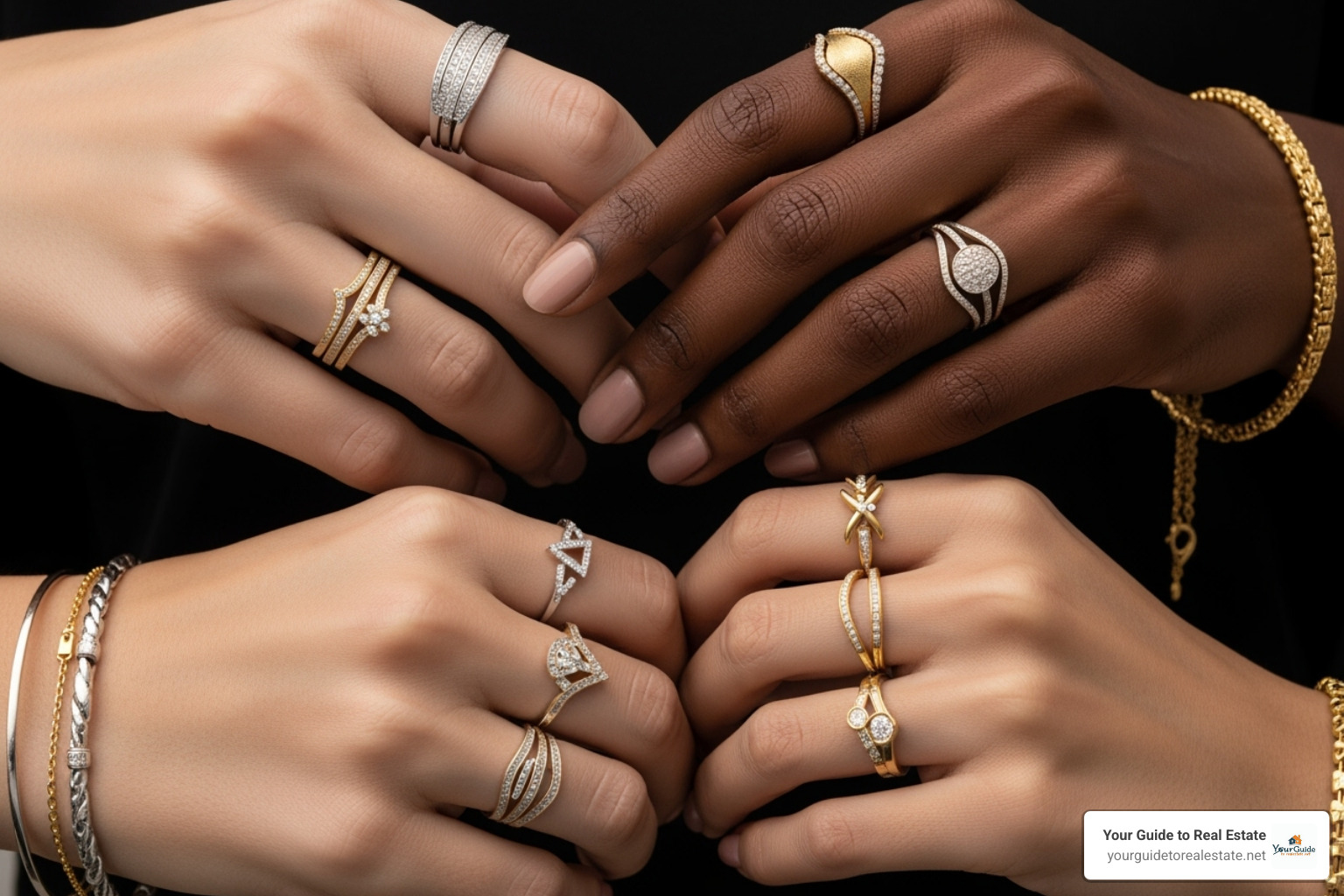
Yellow gold brings that unmistakable warmth and richness that has captivated people for centuries. There’s something deeply satisfying about its golden glow – it feels substantial and luxurious. If you have warm skin undertones (think peachy, golden, or olive complexions), yellow gold will make your skin absolutely radiate. The metal seems to bring out a healthy glow that’s incredibly flattering.
The style story yellow gold tells is one of timeless elegance and tradition. It pairs beautifully with vintage-inspired designs and has that classic appeal that never goes out of fashion. Many people find that yellow gold feels more “substantial” somehow – perhaps because it’s the color we naturally associate with precious gold.
White gold offers a completely different aesthetic experience. Its cool, silvery finish gives off a modern and sophisticated vibe that appeals to those who love contemporary design. If you have cool skin undertones (with pink, red, or blue undertones), white gold will complement your complexion beautifully, creating a crisp, clean look.
The beauty of white gold lies in its versatility. It works seamlessly with both casual and formal attire, and many people find it easier to coordinate with their existing silver jewelry. It’s particularly popular among younger couples who gravitate toward that sleek, minimalist aesthetic.
Here’s something interesting: your choice doesn’t have to be permanent! Many people find they can wear both metals depending on their mood, outfit, or the occasion.
Durability and Maintenance for White Gold vs Yellow Gold
When you’re investing in jewelry, especially pieces you’ll wear every day, understanding the long-term care requirements is crucial. The white gold vs yellow gold debate becomes very practical when we talk about durability.
White gold is the stronger performer in terms of day-to-day durability. Those harder alloy metals we discussed – like palladium and nickel – create a tougher metal that resists scratches and dents better than yellow gold. The rhodium plating adds an extra layer of protection, acting like armor for your jewelry.
But here’s the trade-off: that beautiful rhodium coating isn’t forever. Over time, it gradually wears away, especially on areas that get the most contact – like the bottom of rings or bracelet links. You’ll need to have your white gold jewelry re-plated every 1-2 years to maintain that bright, silvery finish. The good news? This process is relatively quick and affordable, usually costing between $50-$150 depending on the piece.
Yellow gold takes a different approach to longevity. It’s naturally softer, which means it’s more susceptible to everyday wear and tear. You might notice small scratches or slight shape changes more quickly, especially in higher karat pieces. However, yellow gold has a significant advantage: its color goes all the way through. No plating means no re-plating costs.
Caring for yellow gold is refreshingly straightforward. Regular cleaning with warm soapy water and occasional professional polishing will keep it looking gorgeous for decades. Many people actually love the way yellow gold develops a subtle patina over time – it adds character and tells the story of a well-loved piece.
Cost and Value of White Gold vs Yellow Gold
Let’s talk numbers, because understanding the financial aspect of white gold vs yellow gold helps you make a smart investment decision.
Here’s something that surprises many people: the gold content drives the primary value, not the color. An 18k white gold ring and an 18k yellow gold ring both contain exactly 75% pure gold, so their intrinsic value is essentially identical.
Where costs can differ is in the manufacturing and maintenance. White gold often carries a slight premium because of its more complex creation process. The rhodium plating adds to the initial cost, and there’s the ongoing expense of re-plating every couple of years.
Palladium-alloyed white gold commands higher prices than nickel-alloyed versions, but it’s worth it if you have sensitive skin. These hypoallergenic options can add 10-20% to the base price, but they eliminate the risk of allergic reactions.
Yellow gold typically offers better value upfront and lower long-term costs. Since there’s no plating to maintain, your ongoing expenses are minimal – just occasional cleaning and polishing.
For a practical example: a 14k gold wedding band might cost $800-$1,200 in yellow gold, while the same design in white gold could run $900-$1,400. Over five years, factor in two rhodium re-plating sessions for the white gold at about $75 each, and the total cost difference becomes more significant.
Both metals hold their value well for resale, with the karat weight being the primary factor rather than the color. Gold is gold, after all! The market doesn’t typically favor one color over another when it comes to intrinsic value.
Choosing the Perfect Setting: Rings, Diamonds, and Gemstones
When we’re talking about engagement rings and wedding bands – the pieces that will live on our fingers for decades to come – the white gold vs yellow gold decision becomes deeply personal and incredibly meaningful. These aren’t just accessories; they’re symbols of love and commitment that need to work beautifully with diamonds and gemstones while reflecting our unique style.
Pros and Cons for Engagement & Wedding Rings
Let’s be honest – choosing the metal for an engagement ring can feel overwhelming. After all, this is a piece that will be worn every single day, through dishwashing, workouts, and everything life throws our way. Understanding what we’re signing up for with each option helps us make a choice we’ll love for years to come.
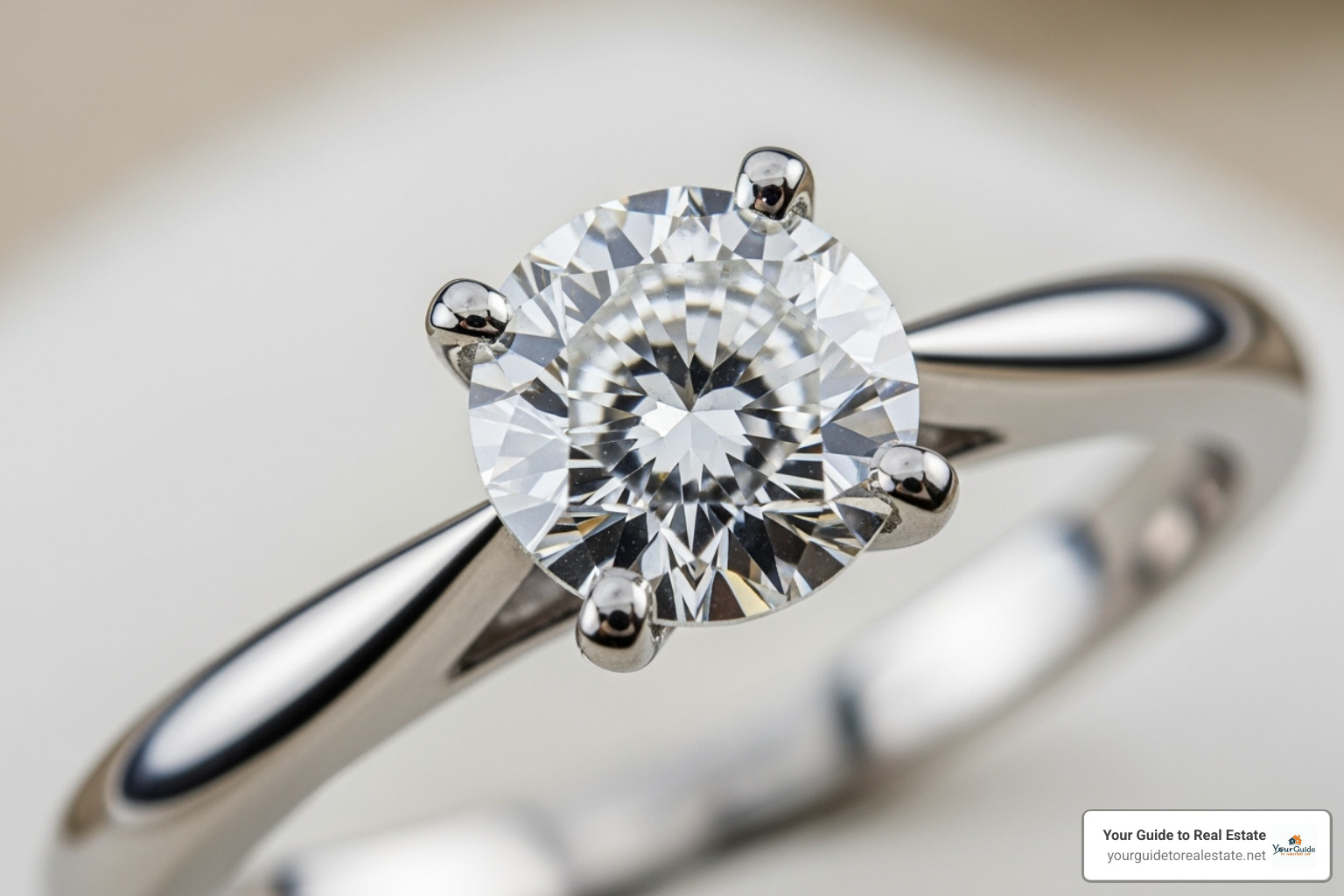
White gold rings offer that sleek, modern look that’s captured hearts over the past few decades. They’re like getting the platinum aesthetic without the platinum price tag, which is pretty appealing! The cool, silvery tone makes colorless diamonds absolutely sparkle – it’s like having a built-in spotlight for your stone. Plus, the rhodium plating and harder alloys mean your ring can handle daily wear better than its yellow counterpart.
But here’s what we need to know: that gorgeous white finish isn’t permanent. Every year or two, we’ll need to visit our jeweler for rhodium replating to keep that bright white shine. It’s not expensive (usually around $50-100), but it’s something to factor into our long-term plans. And if we have sensitive skin, we’ll want to ask about nickel content – some white gold can cause reactions.
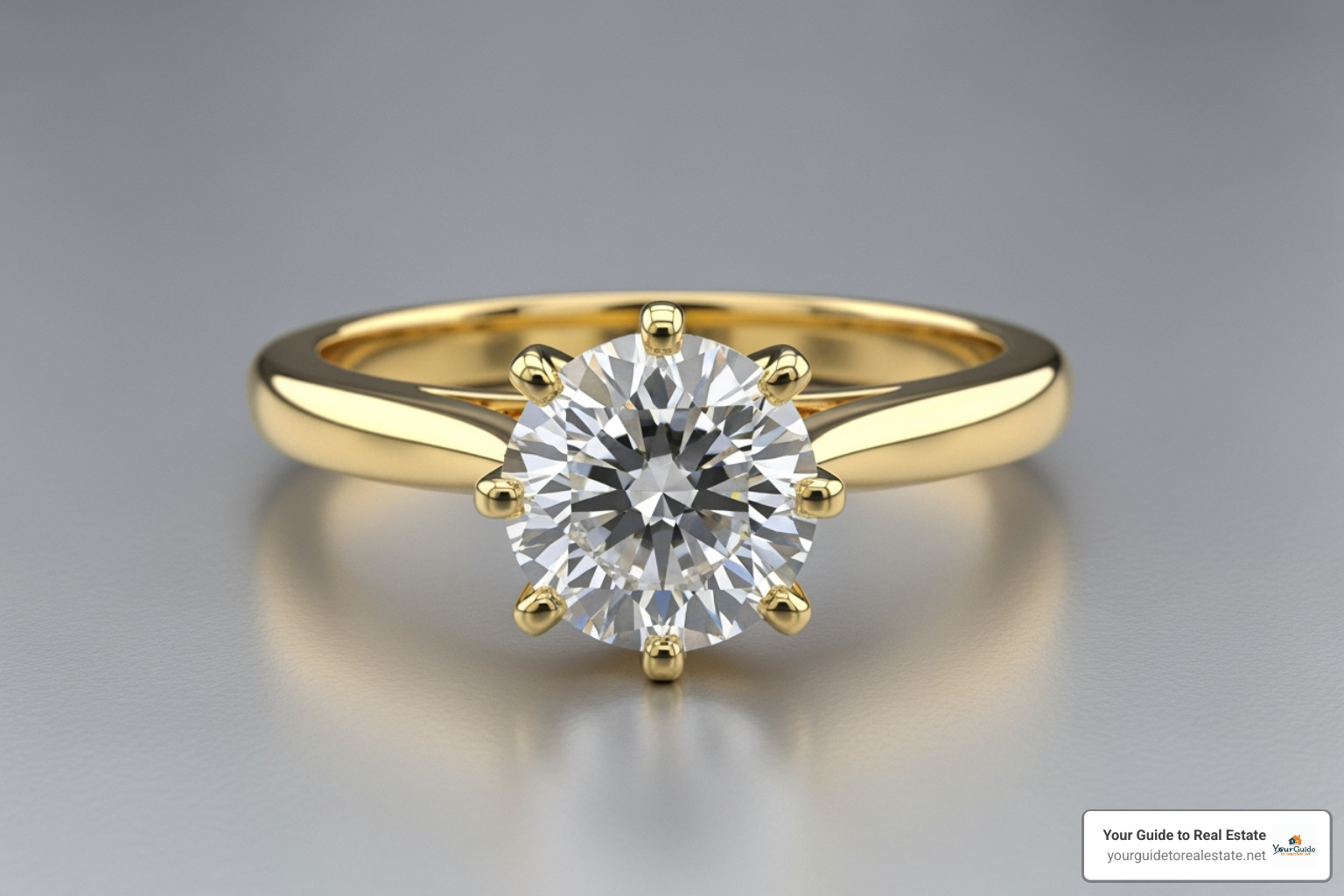
Yellow gold rings bring us back to the classics – there’s something so romantic about that warm, golden glow that’s been treasured for thousands of years. It’s the metal our grandmothers chose, and there’s a reason it never goes out of style. For those with sensitive skin, yellow gold is typically the gentler choice, and we won’t need to worry about replating to maintain the color.
The trade-off? Yellow gold is softer, especially in higher karats like 18K. It’ll show scratches and dings more readily, though many people find this gives their ring character over time. Regular polishing keeps it looking beautiful, and the good news is that jewelers can easily resize and repair yellow gold when needed.
How Gold Color Affects Diamonds and Gemstones
Here’s where things get really interesting – the metal we choose actually changes how our diamonds and gemstones look. It’s like choosing the perfect frame for a painting.
White gold acts like a neutral backdrop that lets diamonds take center stage. If we’ve invested in a colorless or near-colorless diamond (those graded D through J), white gold will make it look even whiter and more brilliant. The cool metal doesn’t compete with the stone – instead, it reflects light back up through the diamond, making it appear larger and more sparkly. It’s particularly stunning with cool-toned gemstones like sapphires or emeralds.
Yellow gold tells a different story. While it might make a perfectly colorless diamond look slightly warmer, it’s actually a smart choice for diamonds with a hint of yellow (grades K and below). The warm gold setting can make these stones appear whiter than they actually are – it’s like a little optical illusion that can save us money without sacrificing beauty. Yellow gold also creates gorgeous harmony with warm gemstones like rubies, garnets, or that trendy peachy morganite.
Mixing Metals: Can You Wear Them Together?
Gone are the days when we had to pick one metal and stick with it forever! Mixing white gold and yellow gold is not only acceptable – it’s actually quite fashionable and allows us to enjoy the best of both worlds.
The easiest way to start mixing metals is with two-tone jewelry pieces designed specifically with both gold colors. Think of a yellow gold engagement ring band with white gold prongs holding the diamond, or intertwined bands that weave both metals together beautifully.
Stacking rings offers another perfect opportunity to blend metals. A classic yellow gold wedding band paired with a white gold engagement ring creates an neat contrast that many couples love. We can also add anniversary bands or other rings in alternating metals for a collected-over-time look that tells our story.
The secret to making mixed metals work is maintaining some consistency in style or theme. If we’re going for delicate, feminine pieces, keep that aesthetic across both metals. If we prefer bold, chunky jewelry, stick with that vibe in both gold colors. This creates a cohesive look that feels intentional rather than accidental.
Jewelry should make us feel confident and beautiful. Whether we choose the timeless warmth of yellow gold, the modern sophistication of white gold, or decide to mix them together, the most important thing is that our choice feels authentically us.
Frequently Asked Questions
When you’re choosing between white gold vs yellow gold, certain questions come up again and again. Let’s tackle the most common concerns people have about these beautiful metals.
Does white gold turn yellow over time?
This is probably the most frequent question we hear, and the answer is both yes and no! Let me explain what’s really happening here.
White gold doesn’t actually change color or “turn yellow” in the way you might imagine. What you’re seeing is the rhodium plating gradually wearing away over time. White gold gets its brilliant silvery-white appearance from a thin coating of rhodium, a precious metal that’s applied over the naturally yellowish white gold alloy underneath.
With everyday wear – washing your hands, applying lotion, cleaning, even just the natural oils from your skin – this protective rhodium layer slowly wears thin. As it does, the underlying gold alloy starts peeking through. Since that base metal has a slightly yellowish tint (it’s still gold, after all!), your jewelry might start looking a bit dull or take on a warmer hue.
The wonderful news is that this is completely normal and easily fixable! A simple rhodium re-plating service from your jeweler will restore that bright white finish. Most people find they need this touch-up every one to two years, depending on how often they wear the piece.
Think of it like maintaining your favorite pair of shoes – a little care keeps them looking fantastic for years to come.
Is 18k white gold the same as 18k yellow gold in gold content?
Yes, absolutely! This is such an important point that many people don’t realize. Both 18k white gold and 18k yellow gold contain exactly 75% pure gold. The “18k” marking tells you about purity, not color.
Here’s where it gets interesting: that remaining 25% is what creates all the difference. In yellow gold, those alloy metals are typically copper and silver, which improve gold’s natural warm color. In white gold, that 25% consists of white metals like palladium or silver, which lighten the overall appearance before the rhodium plating is applied.
So when you’re comparing two 18k pieces side by side, you’re getting the same amount of precious gold regardless of whether you choose white or yellow. The value difference comes from manufacturing processes and the cost of different alloy metals, not from the gold content itself.
Which gold is more popular for engagement rings?
Right now, white gold has a slight edge in popularity, especially with younger couples planning their engagements. Its modern, sleek appearance really appeals to people who love contemporary style. Plus, white gold offers that platinum look at a more accessible price point, which makes it incredibly attractive for engagement ring budgets.
Many couples also choose white gold because of how beautifully it showcases diamonds. The cool, neutral tone makes colorless stones appear even brighter and more brilliant – exactly what you want when you’re investing in a center stone.
But don’t count yellow gold out! This classic choice carries incredible timeless appeal and traditional elegance. We’re actually seeing yellow gold make a strong comeback as vintage and retro styles gain popularity. Many couples love its rich warmth and the way it connects them to generations of love stories.
The truth is, there’s no “wrong” choice here. Your personal style, skin tone, and the overall look you’re going for should guide your decision. Some people know immediately which metal speaks to them, while others need to try on different options to see what feels right.
Both metals will create a stunning engagement ring that lasts a lifetime – it’s really about what makes your heart sing when you look at it!
Conclusion: Which Gold is Right for You?
Choosing between white gold vs yellow gold is a lot like finding the perfect home – it’s deeply personal, and the “right” choice depends entirely on your unique needs, preferences, and lifestyle. There’s no universal winner in this comparison, just like there’s no single perfect house for everyone.
Throughout our exploration, we’ve finded that both metals share the same precious foundation. An 18k white gold ring contains exactly as much pure gold as an 18k yellow gold ring – 75% to be precise. The magic happens in that remaining 25%, where different alloys create two distinctly beautiful options.
Your personal style plays the starring role in this decision. If you’re drawn to sleek, modern aesthetics and love that platinum-like shine, white gold might speak to your heart. But if you’re enchanted by timeless elegance and the warm glow that has captivated people for centuries, yellow gold could be your perfect match.
Skin tone compatibility is another key player. White gold tends to flatter cooler undertones, while yellow gold beautifully complements warmer complexions. However, don’t let this be a hard rule – ultimately, what makes you feel confident and radiant is what matters most.
The maintenance commitment is worth serious consideration. White gold requires that spa day every year or two with rhodium replating to keep its brilliant shine. Yellow gold is more of a low-maintenance companion, needing just regular cleaning and occasional polishing to stay gorgeous.
Budget considerations extend beyond the initial purchase. While both metals hold their value well based on gold content, white gold comes with those ongoing replating costs. Factor these into your long-term jewelry budget, especially for pieces you’ll wear daily.
For those with sensitive skin, yellow gold often wins the comfort contest, being naturally more hypoallergenic. If you love white gold’s look but have nickel sensitivities, seek out palladium-alloyed versions for the best of both worlds.
Just as we help people steer complex real estate decisions at Your Guide to Real Estate, choosing the perfect gold requires understanding all the nuances. Whether you’re selecting jewelry that will mark life’s most precious moments or making important property investments, informed decisions lead to lasting happiness.
When you’re ready to make other significant life choices, like finding the perfect home or investment property, we’re here to provide that same level of detailed guidance and expertise. Learn more about choosing a real estate broker to ensure your next major decision is as thoughtful and successful as choosing the perfect gold for your jewelry collection.